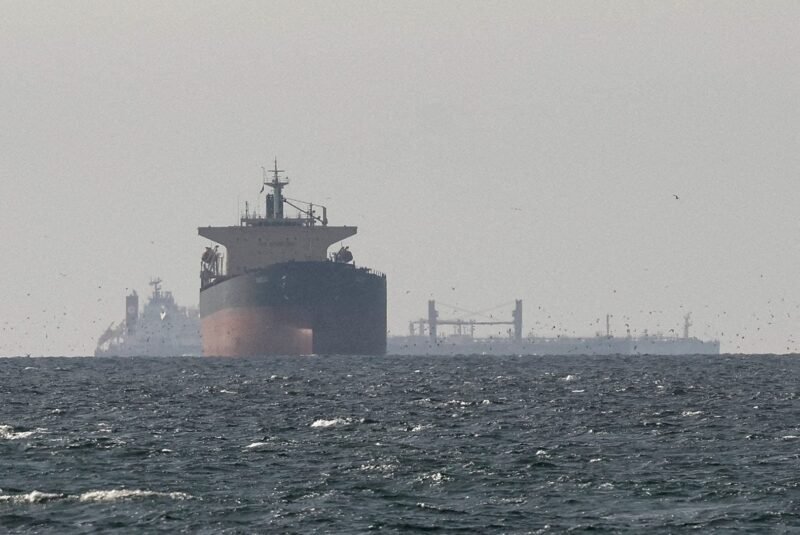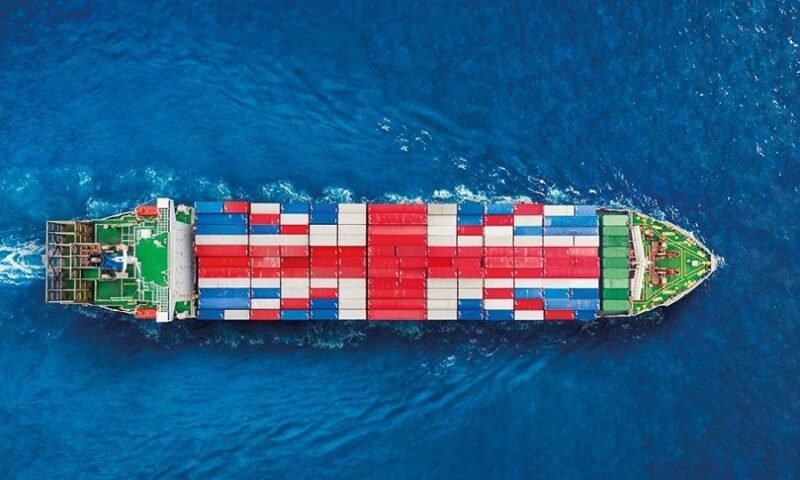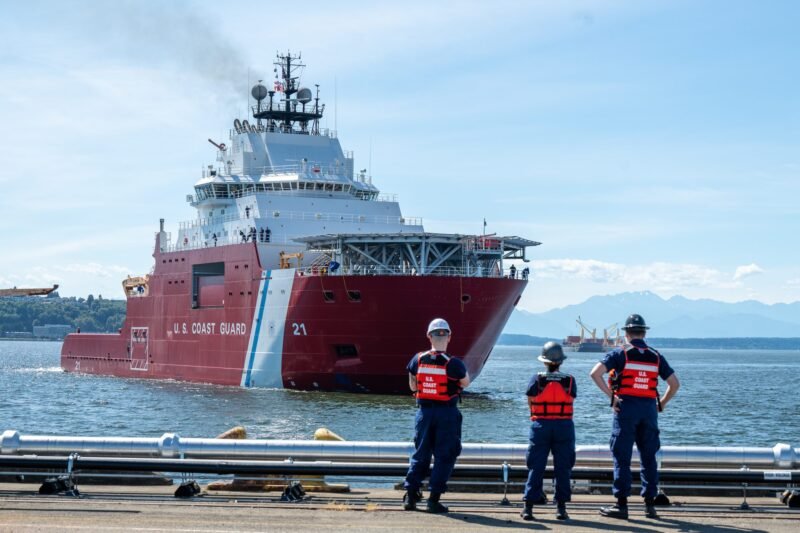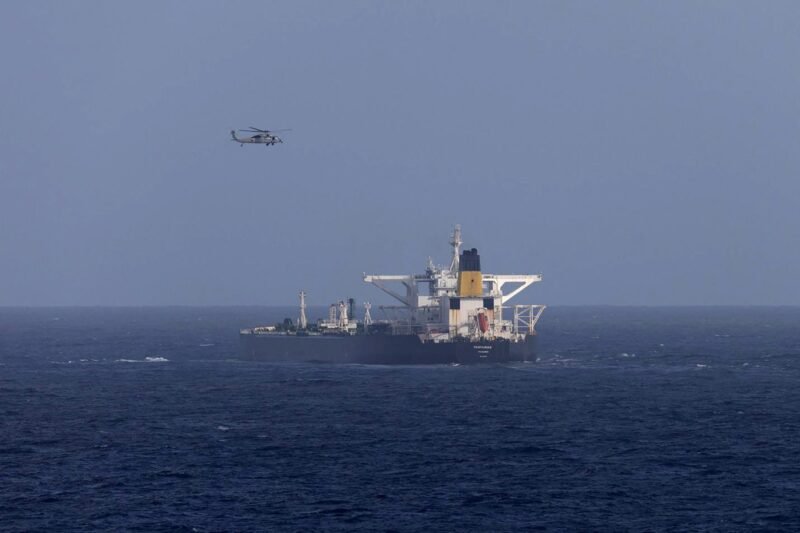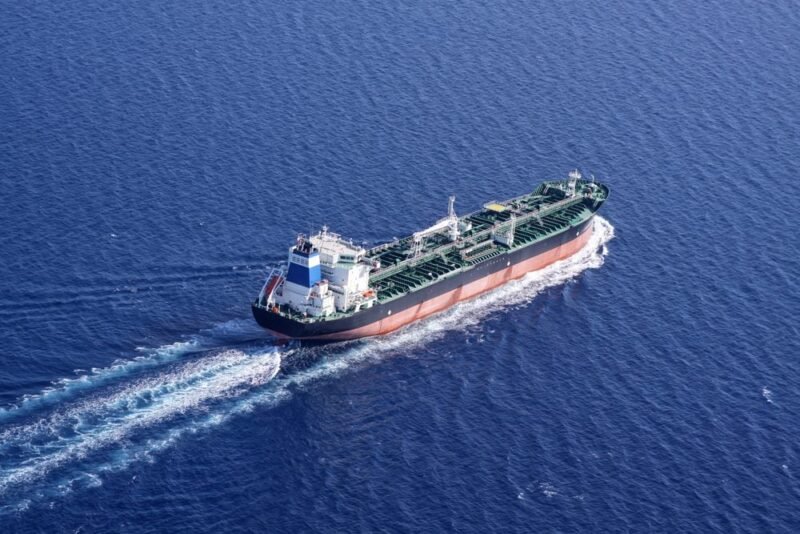
The White House has enacted a 60-day waiver of the Jones Act, a decision that has stirred controversy among U.S. shipping stakeholders who assert it will have minimal impact on fuel prices. Press Secretary Karoline Leavitt stated that the waiver aims to ease short-term oil market disturbances amid ongoing military operations related to Iran. This exemption permits foreign vessels to transport critical commodities, such as oil and natural gas, within U.S. waters for two months, significantly broadening domestic shipping options.
Opponents, including the American Maritime Partnership, express concern that this waiver could displace American workers and undermine the domestic maritime industry. They argue that such exemptions should exclusively address military-related needs, rather than benefiting foreign operators. Additionally, maritime unions and tanker operators have cautioned that the policy could do little to alleviate gasoline prices, attributing the primary cost drivers to crude oil prices rather than shipping expenses.
Economic analyses indicate the waiver’s influence on consumer fuel prices would be negligible, estimating potential savings of only a fraction of a cent per gallon. Despite assertions from some lawmakers that the move is essential for energy security amid geopolitical tensions, critics argue the policy misaligns with market realities, potentially exacerbating issues within the U.S. shipping sector rather than resolving them.