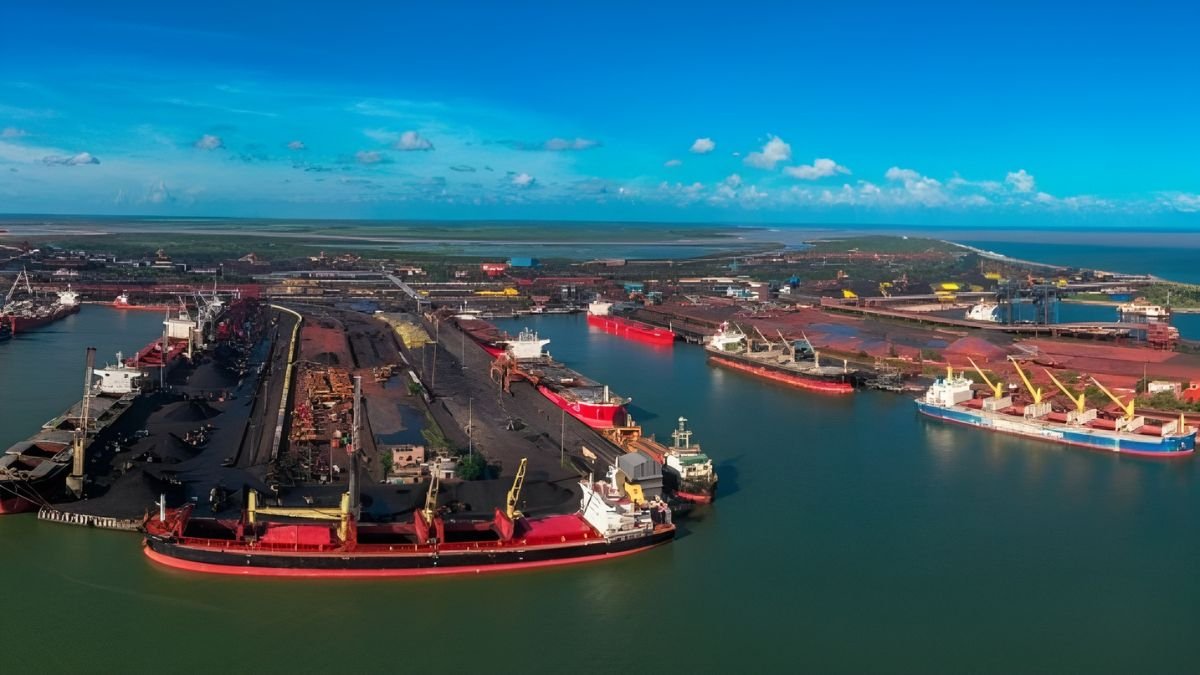
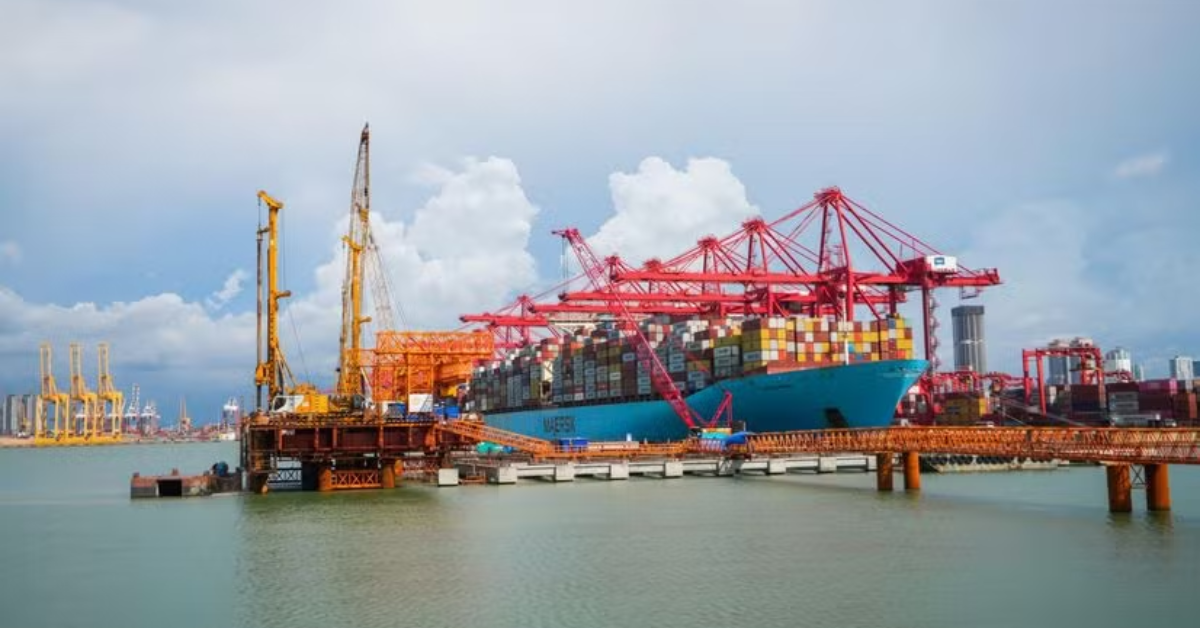
India’s Union Budget for 2026-27 continues to refer to major state-owned ports as “trusts,” rather than “authorities,” ignoring significant reforms introduced by the Major Port Authorities Act of 2021. This oversight is notable, especially following the repeal of the Major Port Trusts Act of 1963, which has implications for funding allocations to key ports such as JNPT, Cochin, and Paradip.
Legally, the 2021 Act aimed to grant greater autonomy to 11 major ports, transforming them into independent authorities. This shift was intended to enhance decision-making speed and foster competition with private operators. The Act abolished the trust model and the Tariff Authority for Major Ports (TAMP), establishing an Adjudicatory Board instead. However, the Budget still allocates ₹11.15 crore to the now-defunct TAMP, raising questions about the consistency of these allocations.
Specific discrepancies are evident as well. Kamarajar Port Ltd, which was corporatized 25 years ago and divested in 2020, is still referred to as “Kamarajar Port Trust.” Additionally, Syama Prasad Mookerjee Port in Kolkata lacks a defined status while receiving ₹150 crore for dredging, despite union opposition to full corporatization in favor of an authority structure.
Despite these terminological inconsistencies, the Budget significantly increases the allocation for ports and shipping by 48%, totaling ₹5,164.8 crore. It also introduces coastal cargo schemes and plans for 20 new waterways under the Maritime Amrit Kaal Vision 2047, aligning with the modernization goals of the Sagarmala initiative.
Share it now