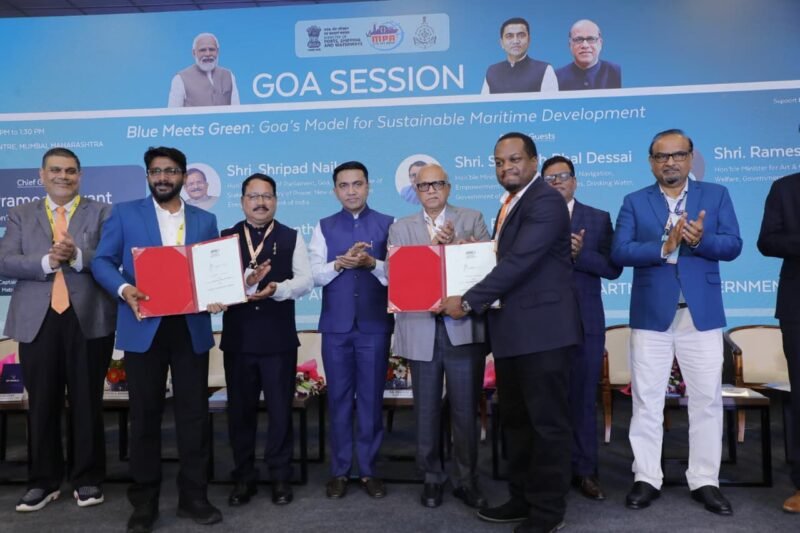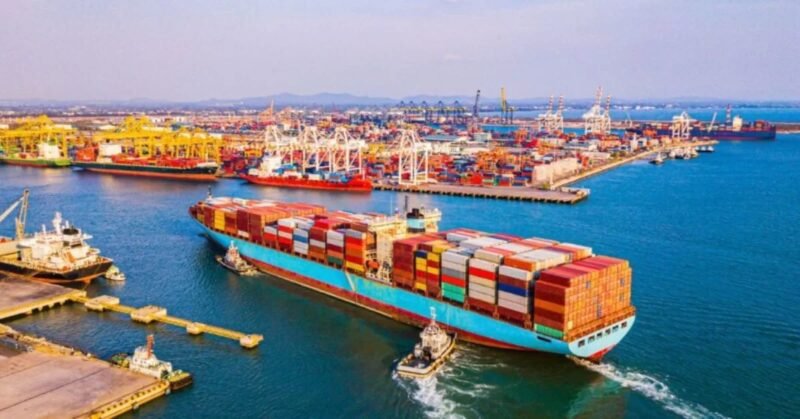
Goa, renowned for its beaches and tourism, has made significant strides in reestablishing its industrial and commercial identity over the past year. This transformation encompasses a range of activities, from the revival of mining to maritime trade enhancements, alongside fiscal reforms and infrastructure investments. The resumption of mining, previously stalled by regulatory issues, has notably contributed to an anticipated 13.87% economic growth, as reported by the Goa Chamber of Commerce and Industry (GCCI). This resurgence not only bolsters state revenues but also creates much-needed jobs, especially in areas affected by the mining sector’s long hiatus.
In March, Chief Minister Pramod Sawant presented a budget aimed at stimulating various industries, projecting a surplus of Rs 2,400 crore. Key incentives include GST rebates and stamp duty exemptions for three-star hotels and above, along with a 50% SGST rebate for significant infrastructure investments. Such measures aim to ease compliance burdens and foster economic growth. Moreover, the integration of trade and industry with tourism has positioned Goa as a hub for both leisure and business tourism, supported by enhanced connectivity and hospitality infrastructure.
Despite these advancements, challenges persist, particularly due to Goa’s geographical constraints, which limit large-scale industrial expansion. Balancing economic growth with environmental sustainability remains a critical concern. As Goa approaches 2026, the focus will likely shift towards consolidating gains from mining, expanding infrastructure to support tourism and industry, and ensuring environmental protections to safeguard its delicate ecosystem.
Related posts:
 India’s Maritime Sector: Key to Economic Growth and Global Trade Expansion
 India and Denmark Strengthen Maritime Relations for Sustainable Development
 India Set to Launch Central Transport Authority to Boost Infrastructure Growth
 Cochin Shipyard Accelerates Growth with Eight New MoUs During Maritime Week