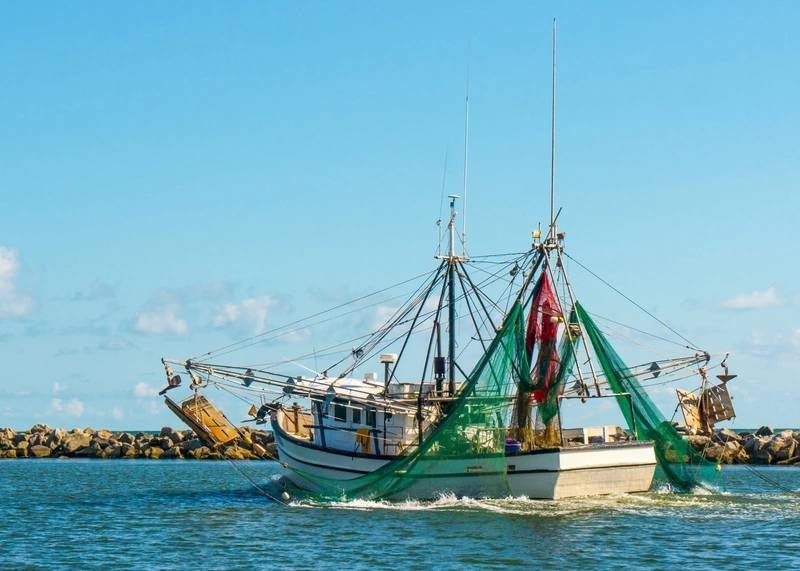
In a significant policy update, the Indian government has introduced new regulations for deep-sea fishing in the country’s Exclusive Economic Zone (EEZ). These rules prioritize local fishermen, particularly cooperatives and small-scale operators, while banning foreign vessels from Indian waters. Effective from November 4, the guidelines align with the government’s Budget promises and aim to enhance opportunities in the marine fisheries sector, particularly in tuna fishing, which has been underexploited by Indian fleets.
The new framework emphasizes the use of advanced technology in fishing operations and introduces a “mother-and-child vessel” model for mid-sea transshipment, benefiting regions like Andaman & Nicobar and Lakshadweep. To protect marine ecosystems, harmful practices, such as LED light fishing and bull trawling, are prohibited, and new Fisheries Management Plans will be developed through stakeholder consultations.
Digitally, mechanized vessels will need to obtain an Access Pass via the ReALCRaft portal, while traditional fishers are exempt. This system, already registering over 238,000 fishing vessels, also ensures traceability for seafood exports by linking with relevant regulatory bodies. Overall, the policy signifies a commitment to sustainable fishing practices and aims to bolster India’s presence in the global seafood market while protecting local livelihoods.
Related posts:
 Empowering India’s Shipping Sector with Digital Skills
 Port of Antwerp-Bruges Strengthens Economic Ties with India with Strategic Roadshows
 India Aims for 10% Global Shipbuilding Market Share Through Strategic Talks in South Korea
 Regional Centre of Excellence in Dibrugarh to Boost Maritime Skills in Northeast India