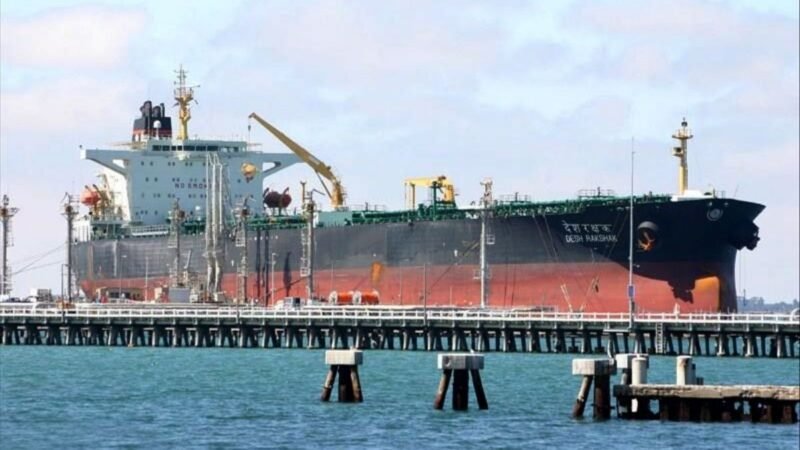
The Indian government’s recent strategy to transform the Shipping Corporation of India (SCI) into a strategic state carrier marks a significant shift from its earlier privatization efforts. The shipping ministry aims to achieve this through a Maritime Development Fund, partnerships with major cargo operators, and initiatives to expand the fleet. Shipping Secretary Vijay Kumar has outlined plans to enhance SCI’s tonnage capacity to meet India’s maritime needs, putting pressure on the government’s previous intention to divest over 60% of its stake in the company.
Originally, in 2020, the Department of Investment and Public Asset Management (DIPAM) projected that the disinvestment could yield around Rs 3,000 crore. However, this plan has faced multiple delays over the last five years. Compounding these challenges are SCI’s dwindling profits, as evidenced by its recent quarterly earnings report, which showed a decline in standalone revenue from operations by 7.73%, dropping to Rs 1,338.50 crore in Q2 FY26 from Rs 1,450.63 crore in Q2 FY25.
Total expenses also rose by 3.30%, further straining overall earnings. Notably, “other expenses” surged dramatically, impacting the company’s after-tax profit, which plummeted by 39.40% to Rs 175.89 crore. Despite these setbacks, SCI’s stock has shown resilience, increasing by 15% year-on-year, and over 24% year-to-date, reflecting investor confidence even amid challenging financial conditions.
Related posts:
 India Invests in Inland Water Transport Terminals Across NW-3
 Shipping Corporation of India to Acquire 26 Indigenous Ships Worth $2.3 Billion to Boost Domestic Shipbuilding Industry
 Goa to Establish Maritime Board to Enhance Industry Collaboration
 Shipping Corporation of India Plans New Medium-Range Crude Oil Tankers