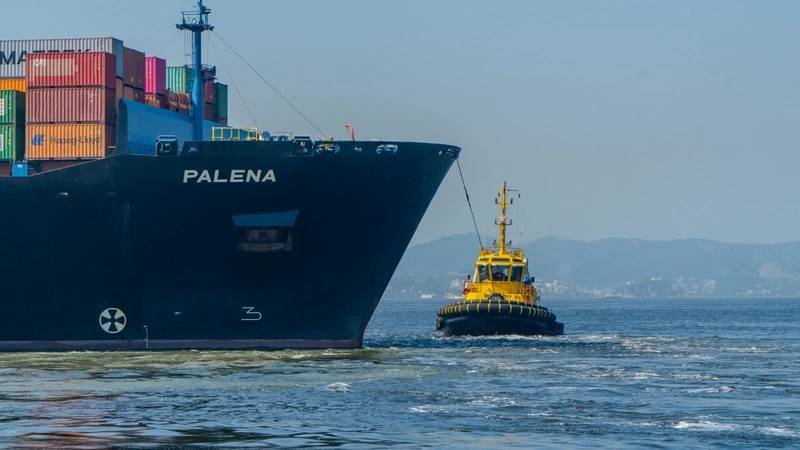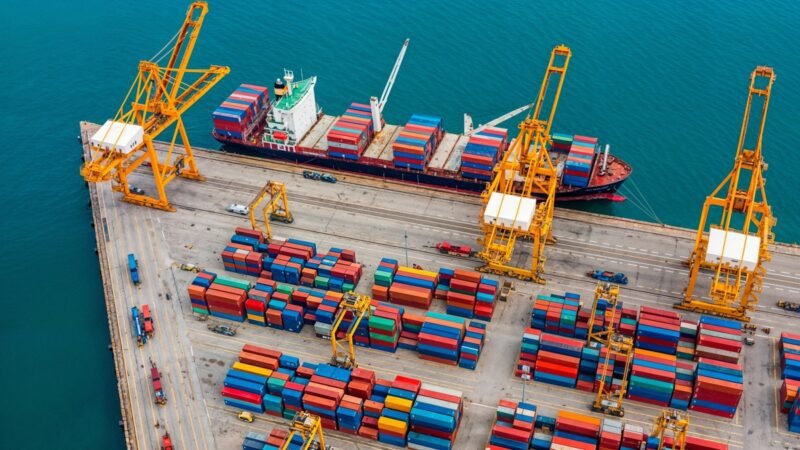
Brazil’s Ministry of Ports and Airports has initiated programs aimed at enhancing operational practices and promoting environmental sustainability within it’s port infrastructure. These new measures introduce a framework for the decarbonization of ports and shipping, detailing the governance structure for these initiatives. The National Secretariat of Ports is tasked with developing decarbonization strategies, while the Secretariat of Waterways and Shipping will oversee maritime navigation efforts.
A key component of the framework involves rigorous monitoring of greenhouse gas emissions. This includes tracking direct emissions and those related to electricity consumption, heating, and other indirect sources. Experts emphasize that these metrics will help set targets and evaluate progress in reducing emissions in the maritime sector.
At the UN Climate Change Conference (COP29) in early 2024, Brazil announced its intention to reduce greenhouse gas emissions by 59-67% by 2035 compared to 2005 levels, aiming for annual emissions between 850 million and 1.05 billion tonnes of CO2 equivalent. In line with this, the Ministry of Transport has launched a program focused on lowering emissions from freight and passenger vehicles, promoting improved fuel efficiency and sustainable transport solutions.
Additionally, Brazil is committed to decarbonizing civil aviation through an updated national action plan. From 2003 to 2023, domestic fuel consumption increased by an average of 2.4% annually, while passenger and cargo traffic grew by 4.35% per year, reflecting advancements in fuel efficiency. Brazil has also approved a climate plan to align with the targets set by the Paris Agreement.
Share it now