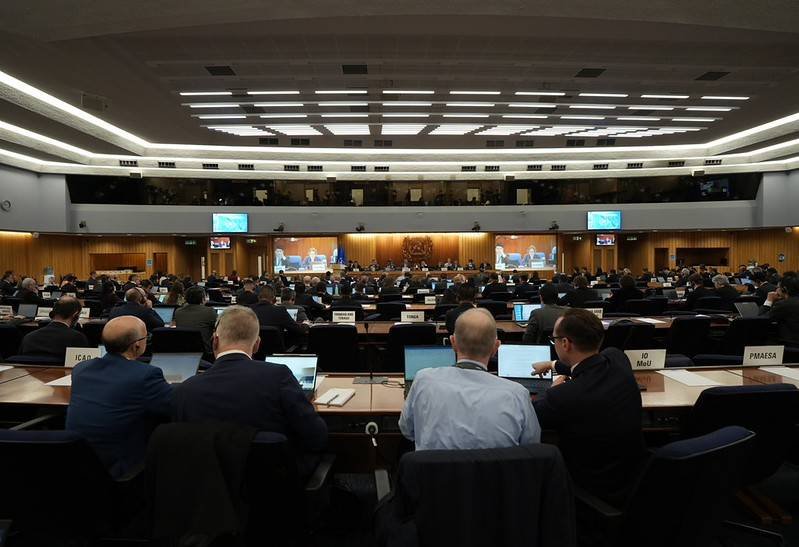
Recent publications by environmental and clean-shipping organizations highlight a strong call for the International Maritime Organization (IMO) to prevent ammonia-powered vessels from discharging toxic waste into the ocean. The coalition underscored that while the shipping industry is striving for zero-emission fuels, it should not compromise the health of marine ecosystems. This position was articulated during the IMO Pollution Prevention and Response Sub-Committee meeting in London, where regulations regarding ammonia wastewater were discussed for the first time. This type of waste is produced when excess ammonia gas from ship operations dissolves in water, creating hazardous liquid byproducts.
Concerns arose from proposals that would allow “conditional” discharge of ammonia waste based on dilution or operational limits, as seven organizations jointly stated that merely diluting pollutants fails to address the underlying problem. While green ammonia is a promising alternative for reducing greenhouse gas emissions in shipping, it also introduces new environmental challenges. Waste from maintenance activities often involves ammonia being dissolved in water, resulting in corrosive and toxic effluents, even at low concentrations.
The coalition warns that permitting such discharges could worsen the already stressed global nitrogen cycle and marine ecosystems, especially if projections indicate that a significant portion of vessels may eventually run on green ammonia. They advocate for mandatory onboard retention of ammonia waste, with disposal only at port facilities, presenting opportunities for repurposing in industries such as chemicals or fertilizers.
To mitigate risks, the coalition urges an end to routine sea discharges, addressing long-term ecological impacts rather than focusing solely on immediate toxicity, and establishing a global framework for waste retention. As the shipping industry pushes forward with carbon reduction initiatives, it is essential to prioritize environmental safety and public trust to ensure that sustainability efforts do not inadvertently harm ocean ecosystems.
Share it now