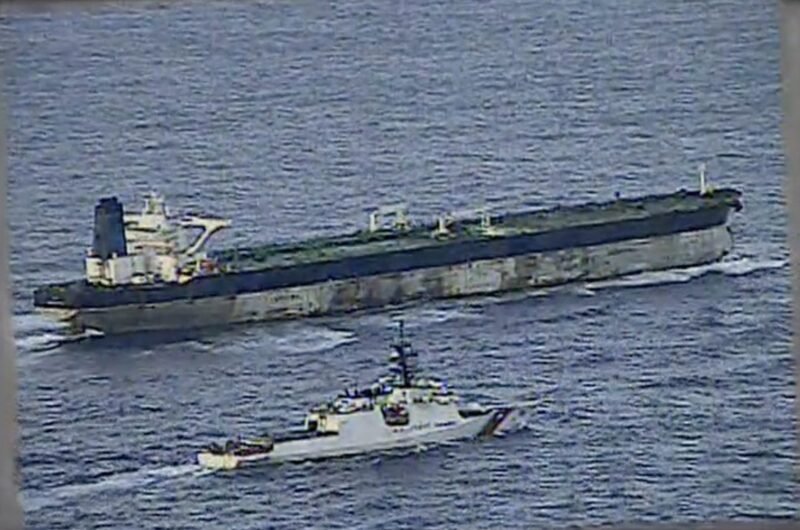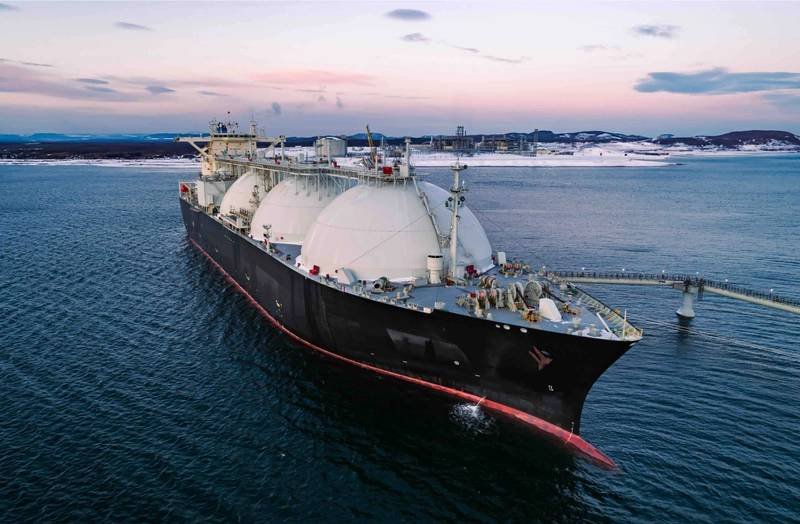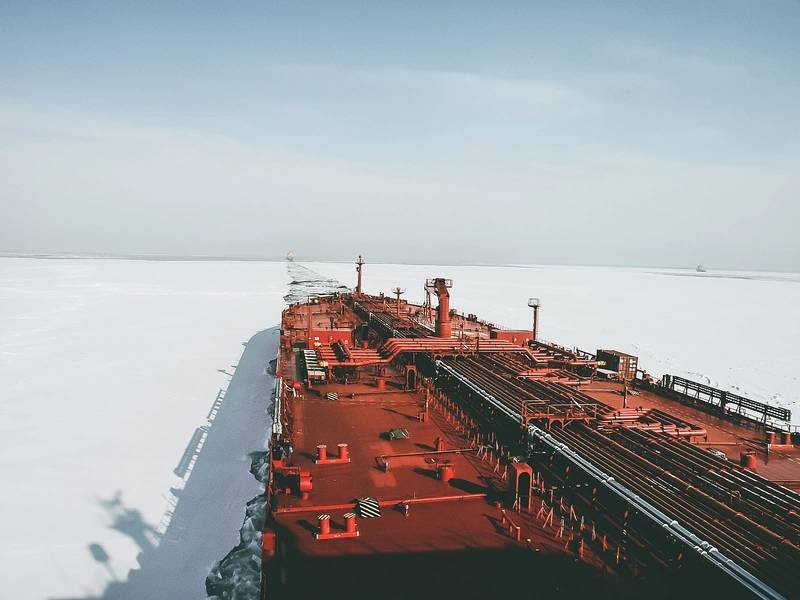
The European Union has escalated its sanctions against Russia by adding 41 vessels from the nation’s shadow fleet, aiming to severely restrict Moscow’s funding of its ongoing war in Ukraine through oil sales. These newly sanctioned vessels are now prohibited from accessing ports and face extensive maritime transport restrictions in EU member countries. This move increases the total number of targeted vessels to nearly 600, highlighting the EU’s commitment to closing gaps in the G7 oil price cap that Russia has been exploiting.
The vessels fall into two main categories. Five ships, including MATROS KOSHKA and ZAFAR, were sanctioned for their role in transporting stolen Ukrainian grain and cultural artifacts. The remaining 36 were penalized for transporting Russian crude oil and petroleum products while engaging in risky shipping practices. This action follows recent sanctions against nine individuals and entities involved in facilitating the shadow fleet operations. High-profile figures such as Pakistani-Canadian businessman Murtaza Ali Lakhani and executives from 2Rivers Group have been implicated in concealing the origins of Russian oil shipments.
All designated individuals and entities are now subject to asset freezes, and EU citizens are prohibited from providing financial resources to them. Furthermore, sanctioned individuals face travel bans within EU jurisdictions. The sanctions are part of a broader EU strategy to undermine the Russian economy and limit its military capabilities. The EU continues to maintain that efforts to impose further sanctions are essential for supporting Ukraine’s sovereignty and territorial integrity.
With over 2,600 individuals and entities sanctioned in response to Russia’s aggression against Ukraine, the EU remains poised to increase pressure on Russia and its shadow fleet. This fleet’s older tankers obscure ownership and often disable identification systems to bypass sanctions. The EU’s latest actions are aligned with member states’ commitments to enhance international maritime law frameworks to address the threats posed by this shadow fleet.
Share it now