Just nine months before the European Union’s planned ban on Russian liquefied natural gas (LNG) takes effect, EU buyers purchased every cargo from Russia’s Yamal LNG project in February. This underscores a significant gap between the EU’s policy objectives and the realities of its energy market.
In February 2026, the EU imported 1.54 million tonnes of LNG from the Yamal facility, delivered in 21 cargoes, marking the first instance since April 2018 that all shipments headed to European ports. This followed a robust January, where EU buyers acquired 93% of Yamal’s output. Data from advocacy group Urgewald highlights the EU’s ongoing reliance on Russian Arctic gas, despite years of geopolitical tensions and sanctions.
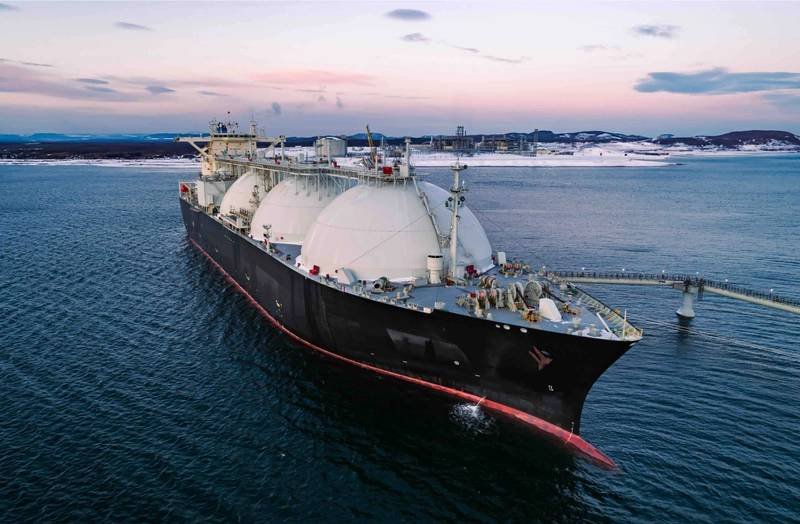
Analysts note that supply pressures may prompt reconsideration of the upcoming ban, particularly if high prices persist. European shipping companies, such as Seapeak and Dynagas, played a pivotal role in transporting these cargoes, with European insurers also providing essential coverage. The lack of sanctions on Arc7 ice-class carriers has allowed uninterrupted operations at Yamal, securing Europe’s position as the main market for Russian LNG.
While Moscow has hinted at redirecting exports to Asia, logistical challenges render this unlikely. The data reveals that, for Arctic LNG, Europe remains uniquely positioned to absorb such volumes, highlighting the complex interplay between energy security, economic sanctions, and market necessities as the EU prepares for the impending ban.
Share it now