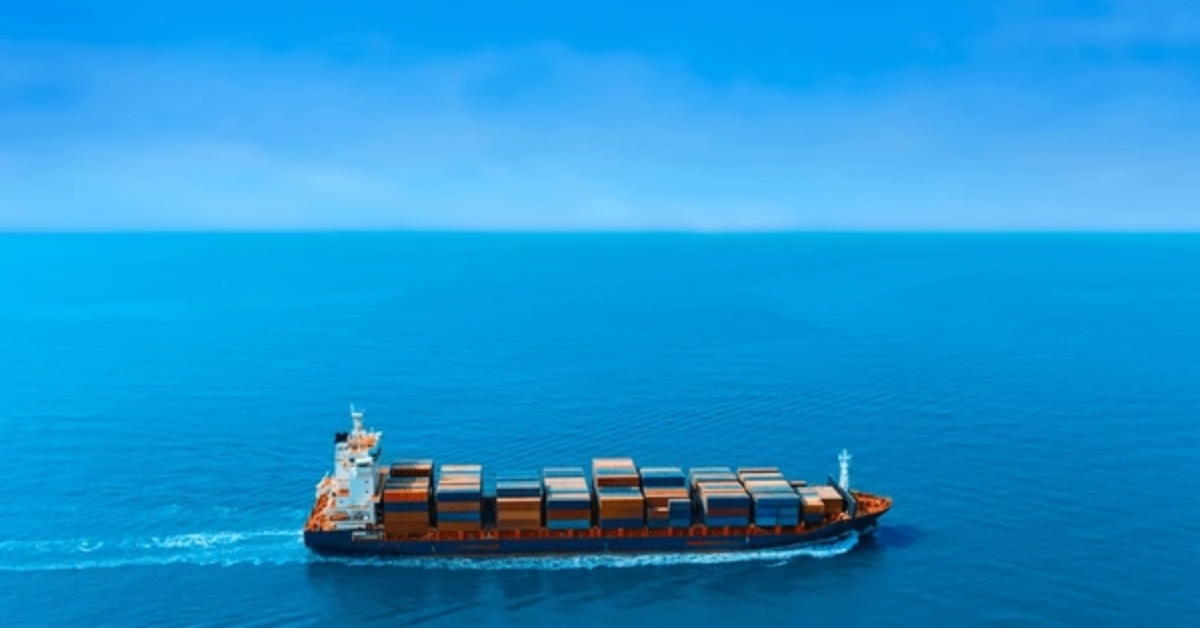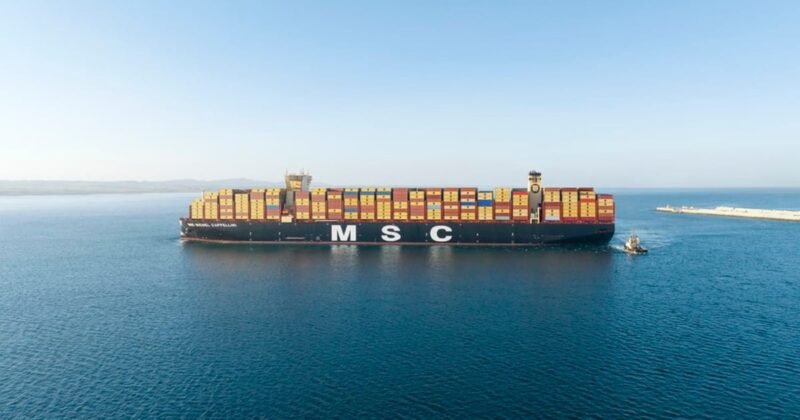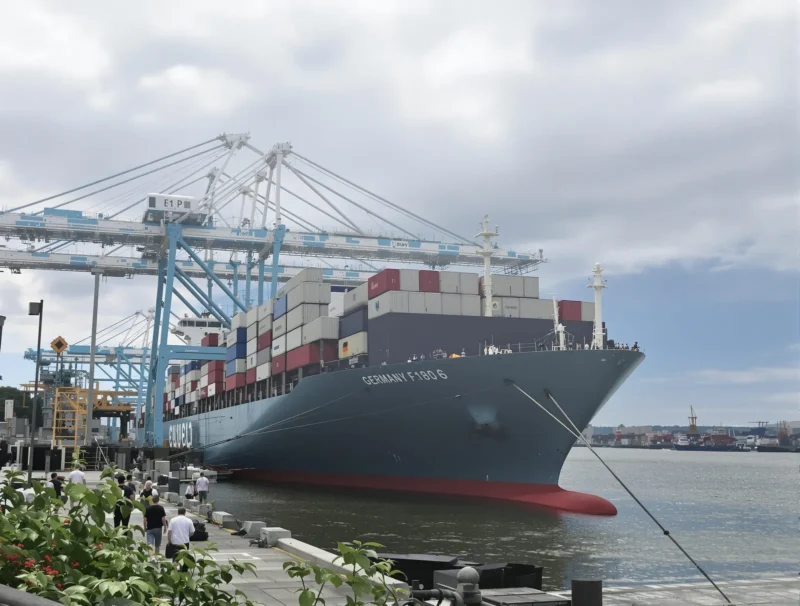
Germany’s maritime industry is leading the way in sustainable shipping, setting a high standard for environmental responsibility in global trade. With increasing demands to reduce greenhouse gas emissions, German ports and shipping companies are adopting innovative strategies to revamp the sector.
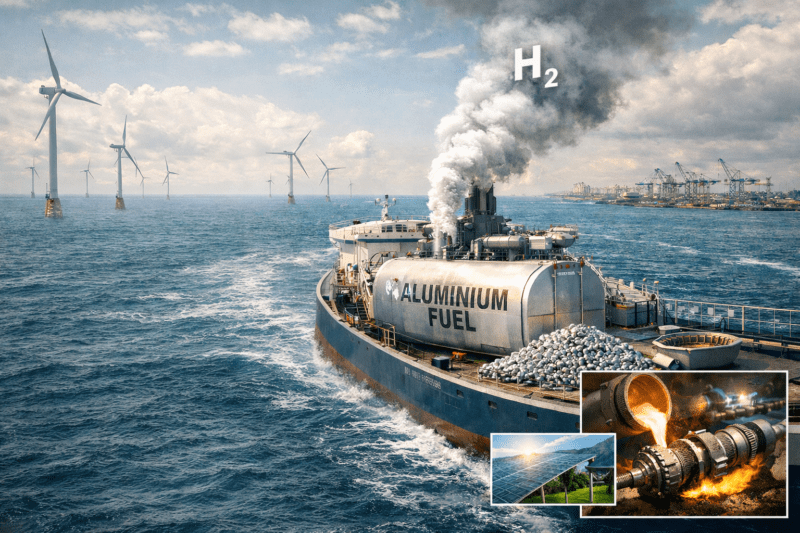
Key initiatives include the use of alternative fuels such as liquefied natural gas (LNG), biofuels, and hydrogen, which significantly cut harmful emissions compared to traditional marine fuels. Additionally, major ports are implementing shore power systems that allow vessels to use electricity while docked, thus minimizing air pollution. The integration of smart shipping technologies, including AI for route optimization and emissions monitoring, further enhances operational efficiency and sustainability.
The German government is actively supporting this green transition through ambitious policies and incentives, including the “National Hydrogen Strategy” and EU-backed environmental regulations. These efforts encourage the adoption of cleaner energy sources and the development of necessary infrastructure.
However, the shift to climate-friendly shipping faces challenges such as high initial costs and the need for coordinated global standards. Despite these obstacles, Germany’s commitment to innovation is setting a global precedent, demonstrating that economic growth and environmental stewardship can coexist harmoniously.
Share it now