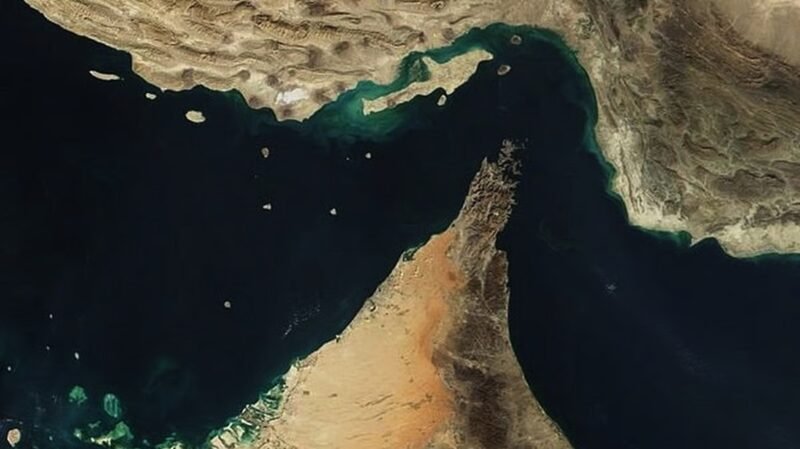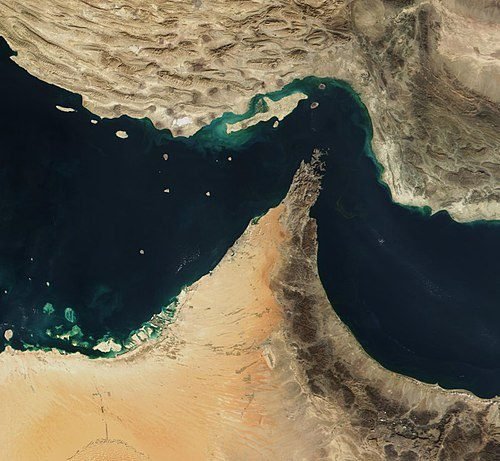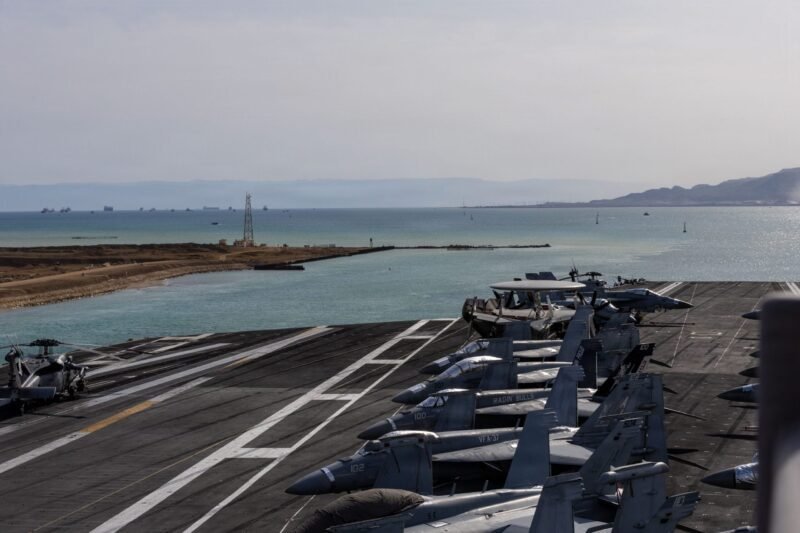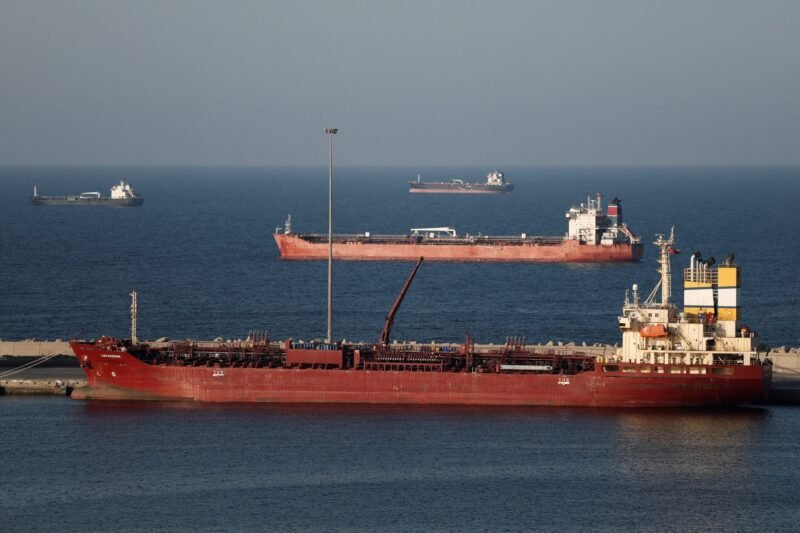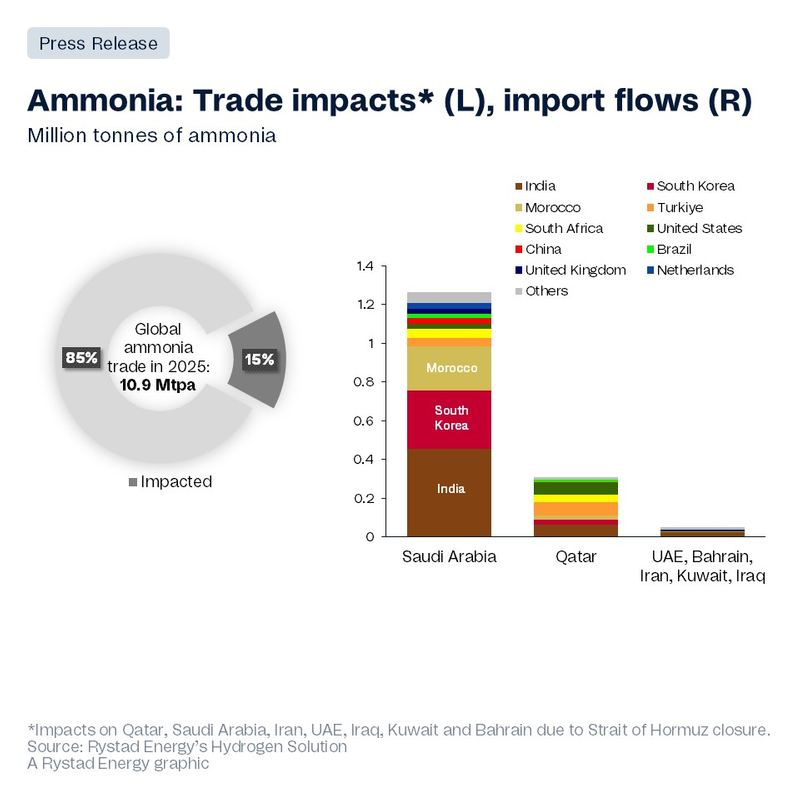
The global fertilizer and ammonia trade is under significant strain due to the potential closure of the Strait of Hormuz amid uncertain US-Iran diplomatic relations. Rystad Energy’s 2025 trade mapping indicates that 15% of global ammonia and 21% of urea exports, crucial for high-nitrogen fertilizers, could be affected. Major producers like Saudi Arabia, Qatar, and others in the region are at risk, threatening the already fragile ammonia and urea markets and potentially disrupting food supply chains, particularly in countries like India, which relies heavily on imports from these Gulf nations.
Policymakers and buyers must heed the warning that disruptions in fertilizer supply could lead to food shortages and manufacturing challenges. Other countries in the Asia-Pacific, such as South Korea and Thailand, along with the US and Brazil, also depend on these trade routes. While some producers may increase output in higher-cost regions like Europe, this could lead to inflated food prices. The development of green ammonia could offer a long-term solution, although its current production costs remain higher.
As of 2025, global ammonia trade is projected at 10.9 million tonnes per annum, down from 12.3 million in 2024, with significant exposure to disruptions. The situation is compounded by previous pressures on other trade corridors, including reduced Russian exports following its invasion of Ukraine. The concentration of fertilizer supply through a limited number of chokepoints presents a heightened risk to global food production and trade.