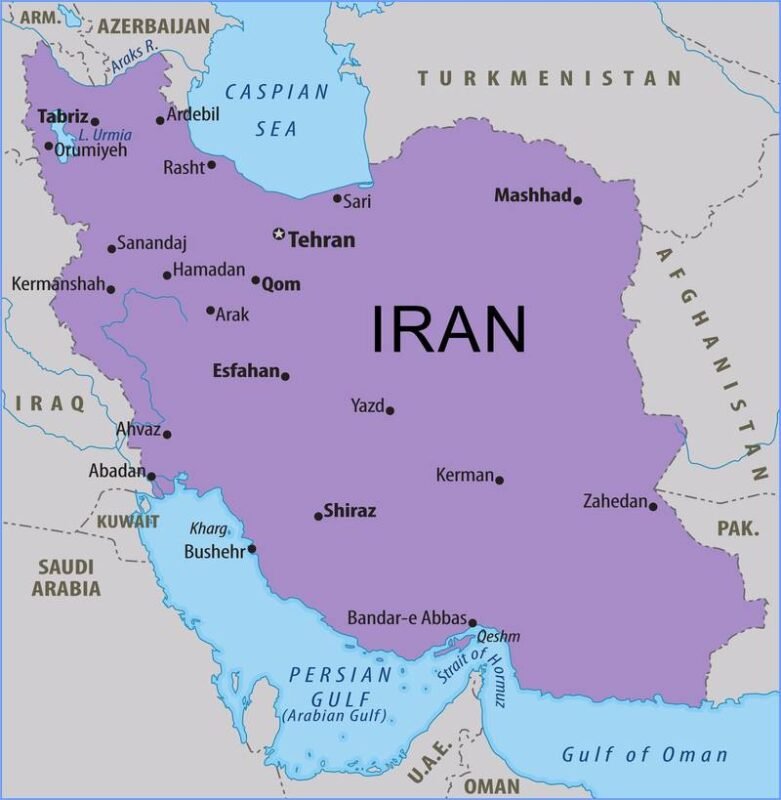
Satellite navigation interference off the coast of Ras Al Khaimah, UAE, has been causing vessels to appear as if they are sailing in straight lines towards the Strait of Hormuz, despite not actually following those paths. MarineTraffic’s recent analysis indicates that this anomaly, first noted around 15:00 UTC, contradicts typical ship navigation patterns. The interference suggests a form of electronic warfare, wherein the ship movements recorded do not align with actual navigation, as confirmed by playback analysis of AIS data.
The Joint Maritime Information Center (JMIC) has raised alarms regarding the increasing electronic interference affecting navigation across the Gulf region. Their latest advisory, issued on March 10, highlights the Strait of Hormuz as a critical risk zone due to escalating tensions with Iran and over 600 GNSS disruptions reported within the last 24 hours. Such disturbances have led to significant navigation inconsistencies, prompting maritime authorities to recommend reliance on radar and visual navigation.
Consequently, commercial shipping traffic has stagnated, with many vessels anchored or loitering due to the heightened security risks, including incidents involving drone attacks and strikes on tankers. The MSCIO has advised ships to avoid the Strait of Hormuz until the situation stabilizes and to conduct thorough risk assessments for transiting the area.
This electronic navigation disruption is complicating maritime intelligence and energy market analysis, as false tracking data creates challenges for operators and analysts. MarineTraffic noted that GNSS spoofing generates “phantom vessel” tracks, which cloud situational awareness. Given the critical security implications, the emergence of such spoofed data underscores the growing impact of electronic warfare on commercial shipping in vital maritime corridors.
Share it now