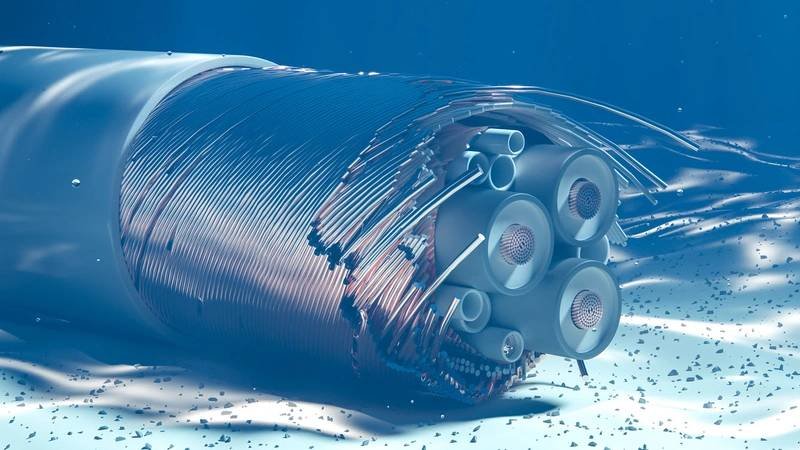
A recent study by researchers from the UAE, Canada, Japan, and Taiwan investigates the conditions under which states prioritize cable security, focusing on three distinct systems: Unity/EAC Pacific, Asia-America Gateway, and Tata TGNTata Indicom. The research highlights that the risk to undersea cables escalates with geopolitical tensions, particularly during ambiguous periods between peace and conflict, when adversaries may engage in sabotage without triggering direct retaliation.
Cable landing sites are considered vulnerable due to their land accessibility, with experts noting they are especially at risk during wartime when plausible deniability is less of a concern. The study also found that territorial seas and Exclusive Economic Zones (EEZs) are more susceptible to sabotage than high seas, as shallow waters make such actions easier. However, the proximity of the saboteur and the prevailing geopolitical tension are often more critical than geographic factors.
Lead researcher Brendon J. Cannon emphasizes that vulnerability is not uniform; certain cable systems face greater risks, and legal maritime zones do not consistently predict exposure. The study proposes a six-point policy framework, advocating for tiered security approaches, enhanced early warning systems, and regional cooperation to bolster national readiness against potential sabotage threats.