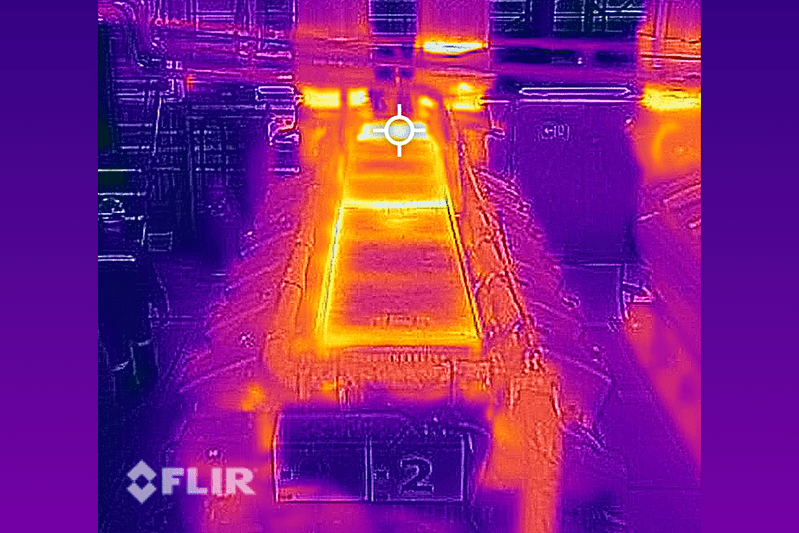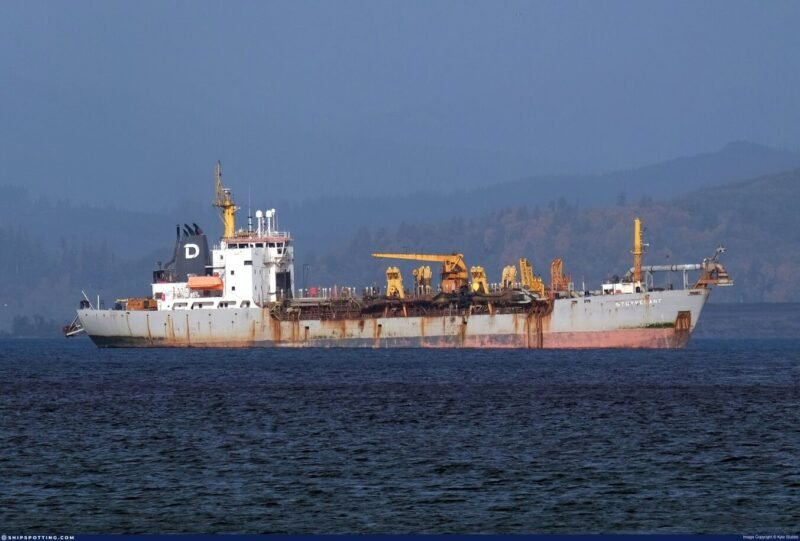
A fire in the engine room of the dredging vessel Stuyvesant last November resulted in a tragic loss and significant damage. According to a recent report by the National Transportation Safety Board (NTSB), the incident, which took place on the St. Johns River near Jacksonville, Florida, led to the death of a crew member and inflicted an estimated $18 million in damages. Investigators linked the fire to a series of preventable oversights during routine maintenance, specifically the failure to reinstall a lube oil filter housing plug, which allowed oil to ignite upon contacting hot engine surfaces.
The NTSB detailed that the crew had recently performed standard maintenance on one of the vessel’s auxiliary engines. However, crucial steps were overlooked, including a walk-around inspection that would have identified the open port. Instead of starting the engine locally, it was initiated remotely, which prevented crew members from noticing the leaks in time to avert disaster. Had the engine been started locally, a crew member could have observed the issue and halted the sequence before it escalated.
Following the incident, The Dutra Group, operator of the Stuyvesant, implemented stringent procedural changes. New protocols now mandate local engine startups after maintenance and the involvement of two crew members in equipment inspections. The NTSB emphasized the importance of thorough inspections post-maintenance to ensure all machinery functions correctly and safely, reinforcing longstanding marine engineering principles.