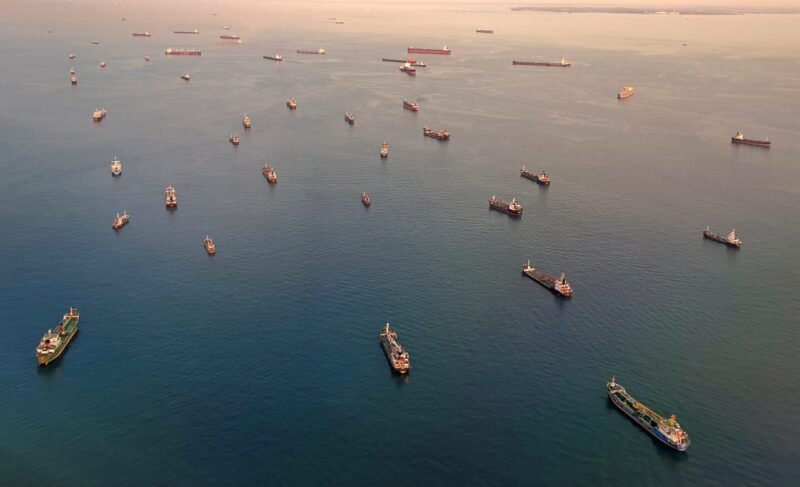
The legal drama surrounding Venezuela’s President Nicolás Maduro intensified this week as he appeared in a Manhattan federal court, declaring his innocence and reaffirming his presidential status after being captured during Operation Absolute Resolve. Maduro and his wife, Cilia Flores, pleaded not guilty to narcoterrorism charges, shortly after being extricated from a military complex by U.S. forces. This incident not only highlights the volatility in the southern Caribbean but also poses significant threats to maritime operations in the region.
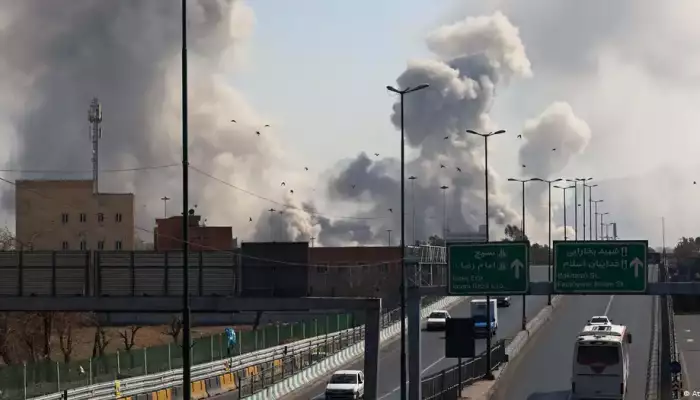
The repercussions for the maritime sector are unfolding rapidly. Insurance premiums for Caribbean transit have surged, driven by heightened risk perceptions, which have led underwriters to impose stricter conditions on vessels. Protection and indemnity clubs are demanding enhanced security measures, while banks are withdrawing from transactions linked to Venezuelan cargoes. The operational landscape remains perilous, with reports indicating that the recent military operation resulted in significant casualties and substantial damage at Venezuela’s La Guaira port.
Internationally, the diplomatic fallout has been severe. The UN Secretary-General criticized the U.S. actions as a violation of international law, with several countries echoing concerns about the legitimacy of the operation. Traditional allies of the U.S. have also raised alarms about the implications of normalizing such actions against a head of state, portraying a divide in global consensus.
As geopolitical dynamics shift, maritime operators face unprecedented legal and operational uncertainties. The conflict in Venezuela is straining existing frameworks, complicating crew changes and operational compliance amid the chaos. This evolving landscape is forcing the industry to rapidly adapt to a new reality where geopolitical enforcement profoundly affects maritime commerce, reminiscent of tensions experienced during the Cold War.
Share it now