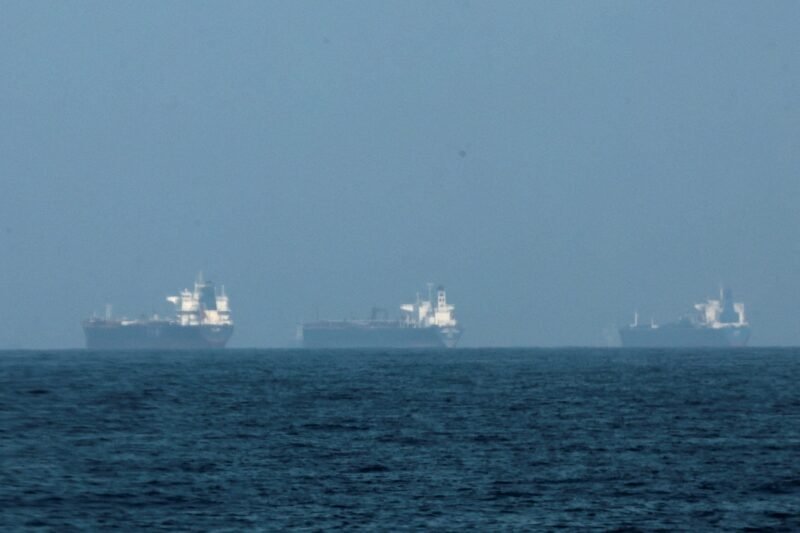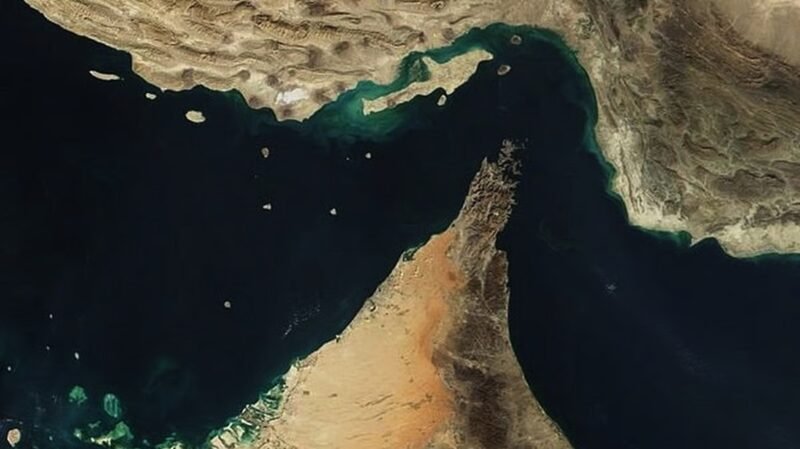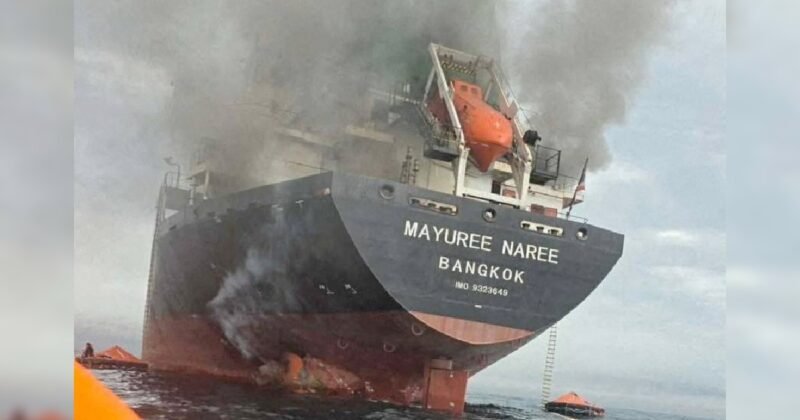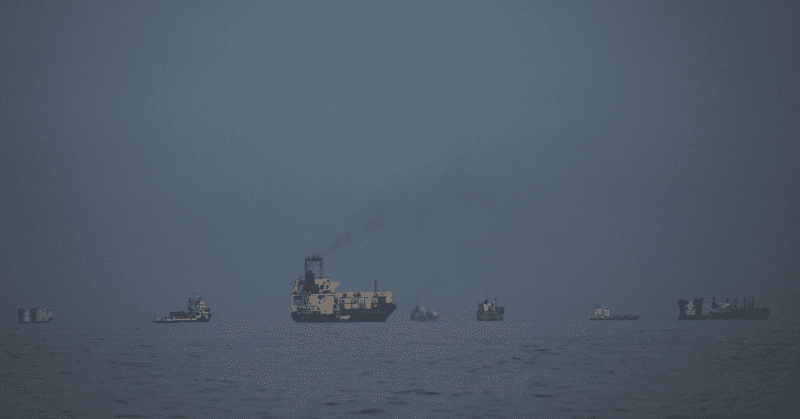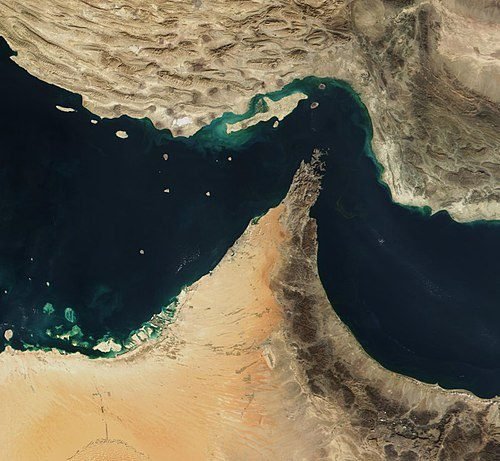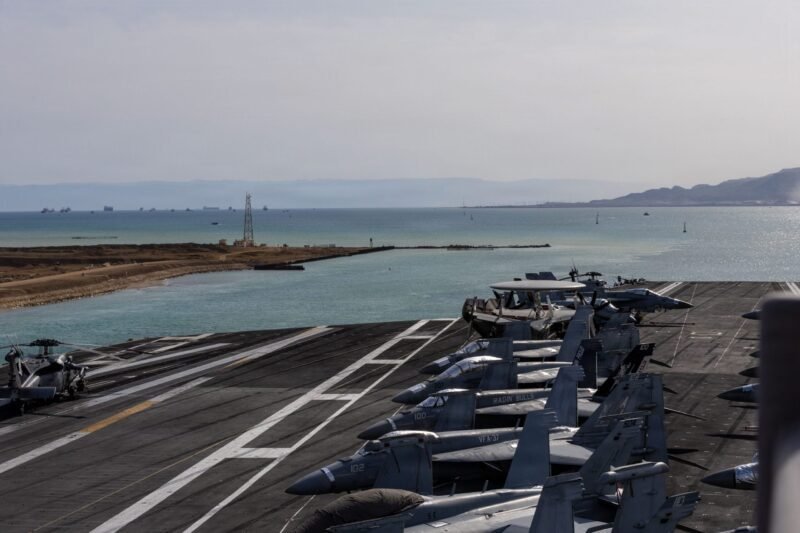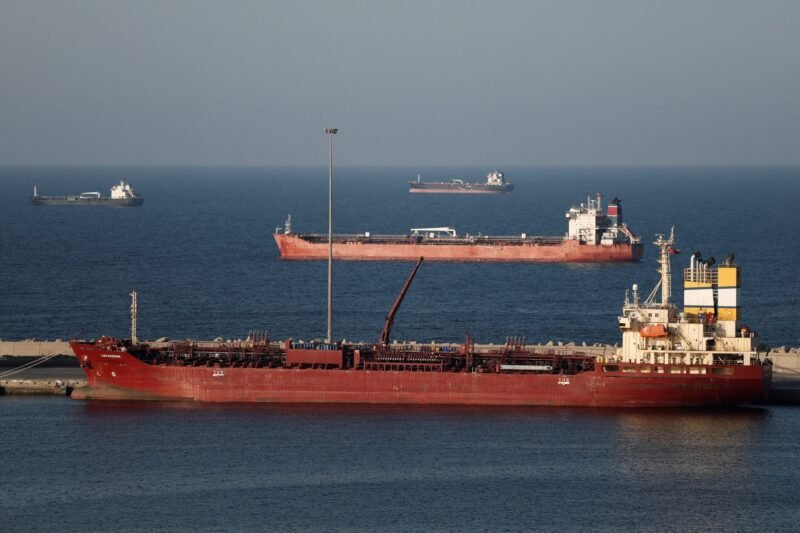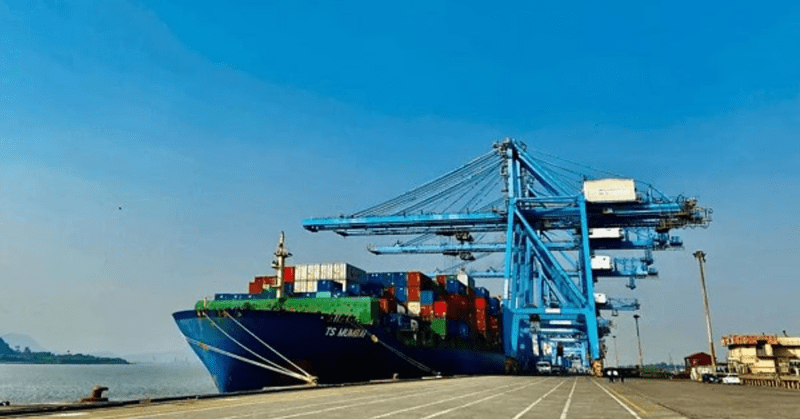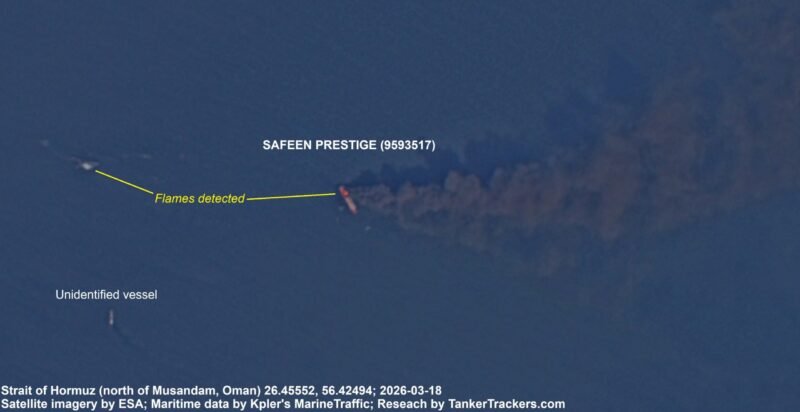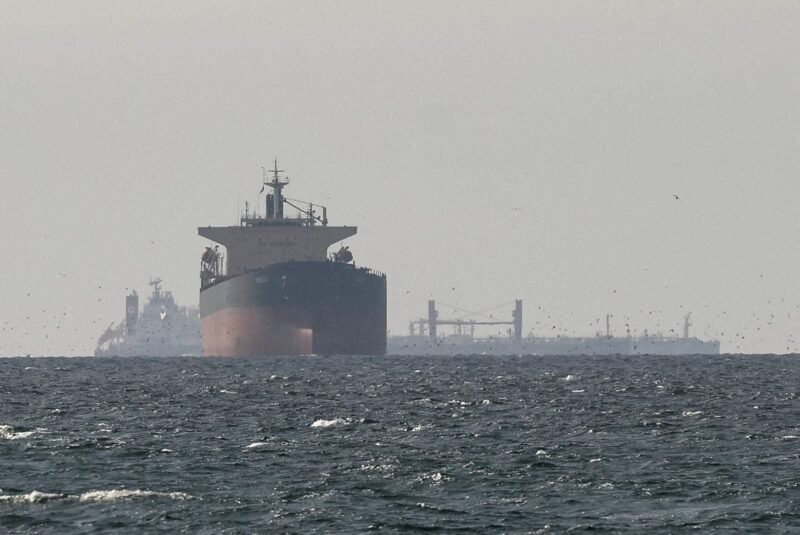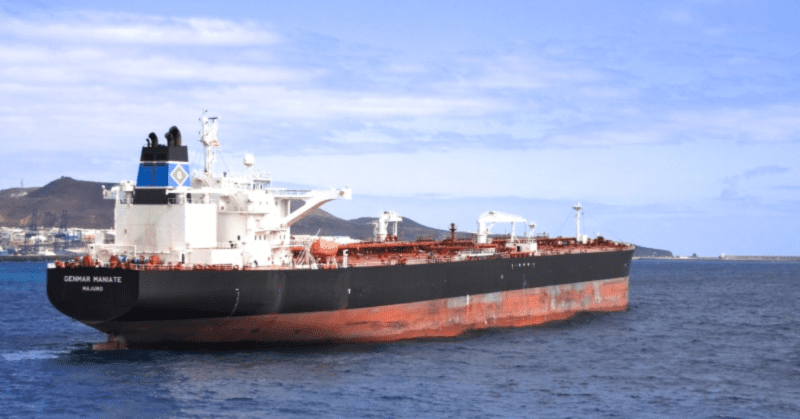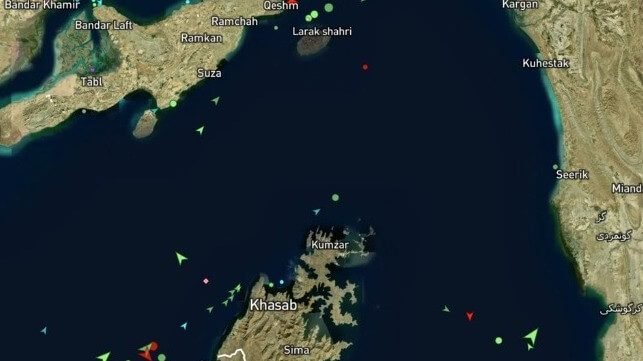
The security situation in the Gulf region poses significant risks for vessels transiting the Strait of Hormuz, leading to differing opinions within the industry regarding seafarer safety. Iran has shown its capability to target vessels, making all merchant ships within the Gulf vulnerable to potential attacks, even after they have passed through the strait. In response, major operators like Maersk and CMA CGM have opted for caution, suspending calls in the region to protect their crews, while a few owners still instruct their captains to navigate these perilous waters.
Seafarers possess agency under International Bargaining Forum (IBF) rules, which grant them the right to be informed about hazards and request repatriation, though such requests carry professional risks. Industry bodies are advising shipowners to carefully assess and manage war risks rather than avoid them altogether. For Very Large Crude Carrier (VLCC) owners, the financial incentives for Mideast transits are currently at an all-time high, making the risk-to-reward ratio appealing for some.
In a joint statement, Intertanko and OCIMF emphasized the need for thorough risk assessments in operational decisions, prioritizing the safety and wellbeing of seafarers. The International Chamber of Shipping has also raised concerns regarding the obligation of nation-states to ensure crew safety amid rising threats, urging them to take necessary steps to protect merchant vessels and uphold freedom of navigation. Observers have called for private entities to take proactive measures, with warnings about the increasing dangers in the Strait of Hormuz.