By Helen Nyambura
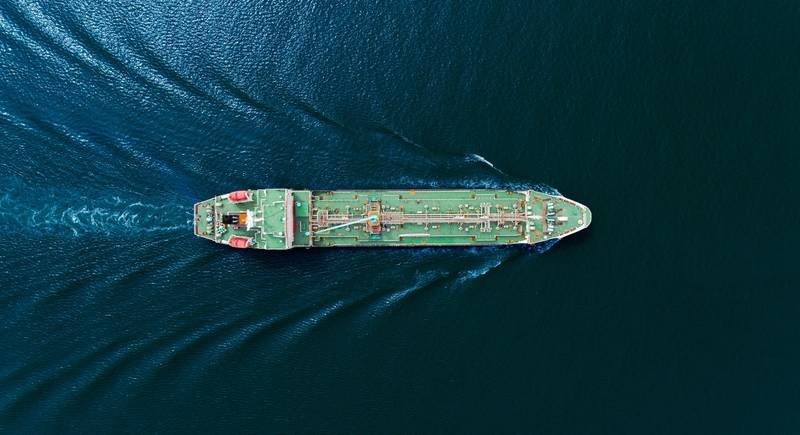
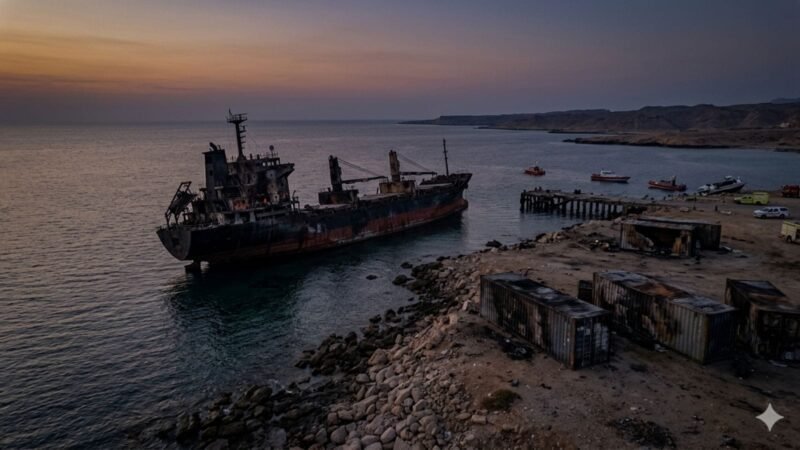
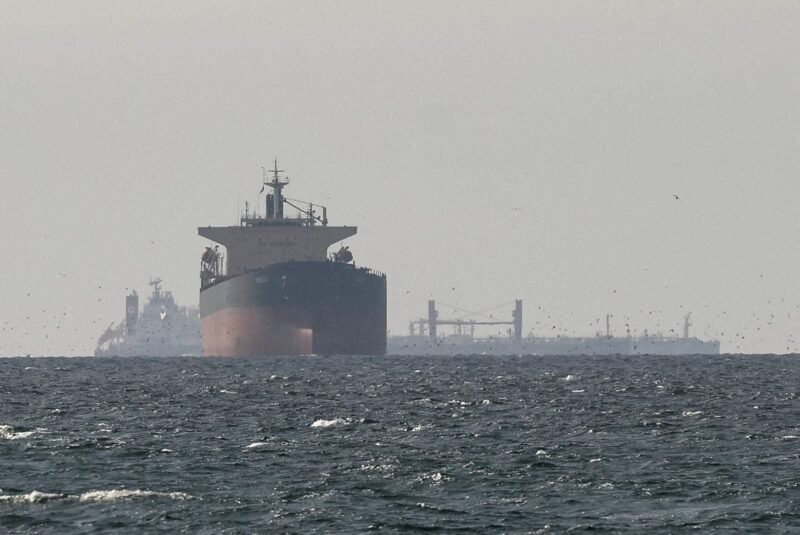
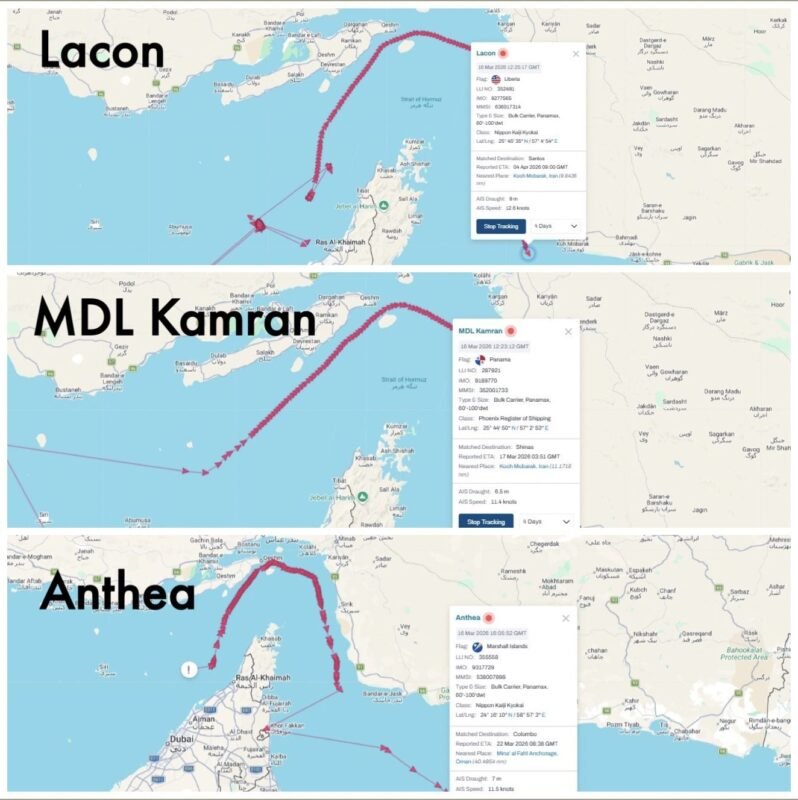
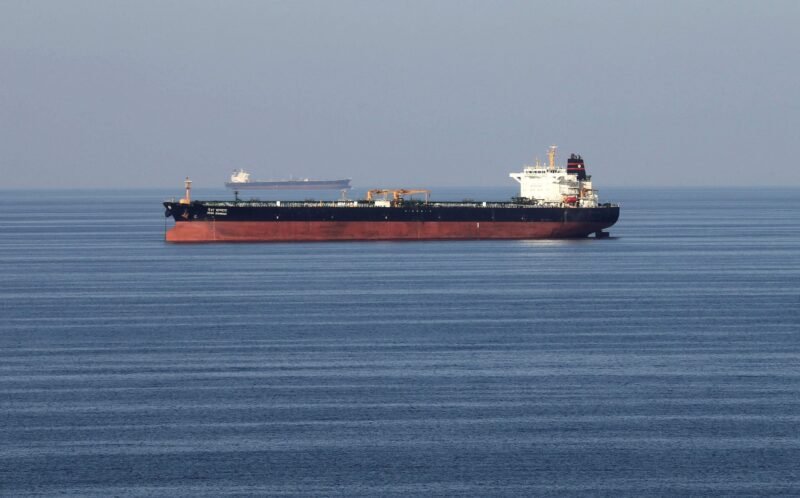
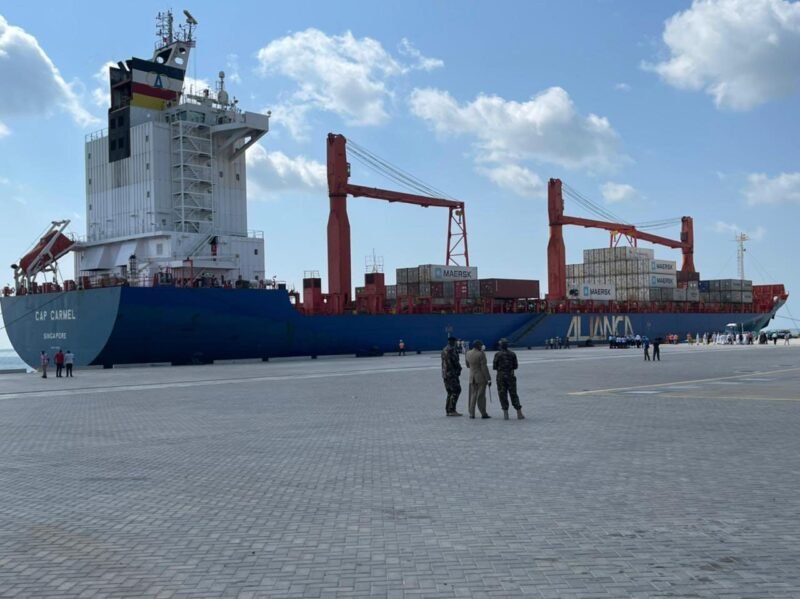
The closure of the Strait of Hormuz has unexpectedly turned Kenya’s Lamu port into a refuge for vessels rerouting from the Middle East. Since January, Lamu has received 74 ships, according to the Kenya Ports Authority, accounting for approximately one-third of all traffic since its 2021 reopening. In contrast, only two container ships arrived in the first quarter of the previous year.
Due to restricted access to Dubai’s Jebel Ali—one of the busiest container ports—shipping lines are avoiding the Red Sea and instead opting for the longer route around southern Africa, leading to increased cargo discharges at Lamu. The port is preparing for further vessel traffic, which is expected to boost regional trade and enhance its status as a transshipment hub.
Recent arrivals include the MV Grande Florida Palermo, which unloaded 3,800 vehicles in Lamu, following another car carrier’s delivery of hundreds of vehicles previously destined for Jebel Ali. Scheduled operations indicate further activity, with expectations of more vessels diverting to Lamu.
Historically, Lamu has struggled to attract business due to competition from Djibouti and Mombasa, favored for their established transport links. However, Lamu’s potential is part of a broader infrastructure initiative, though challenges remain, including security concerns from al-Shabaab and the port’s limited capacity with only three of its promised 32 berths completed.
Share it now