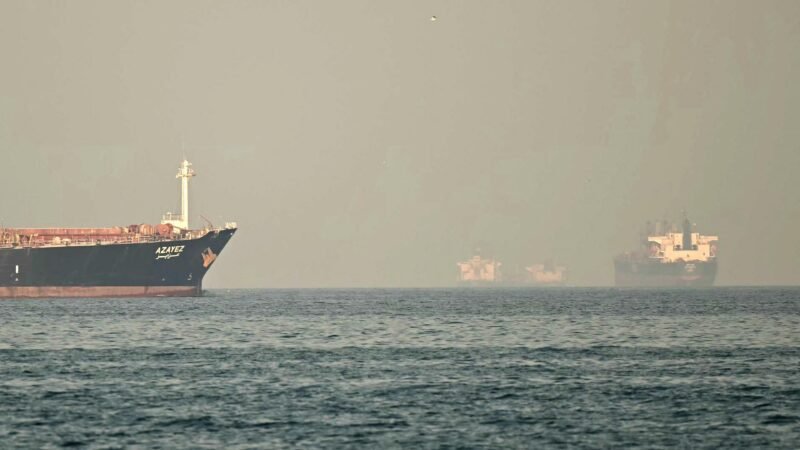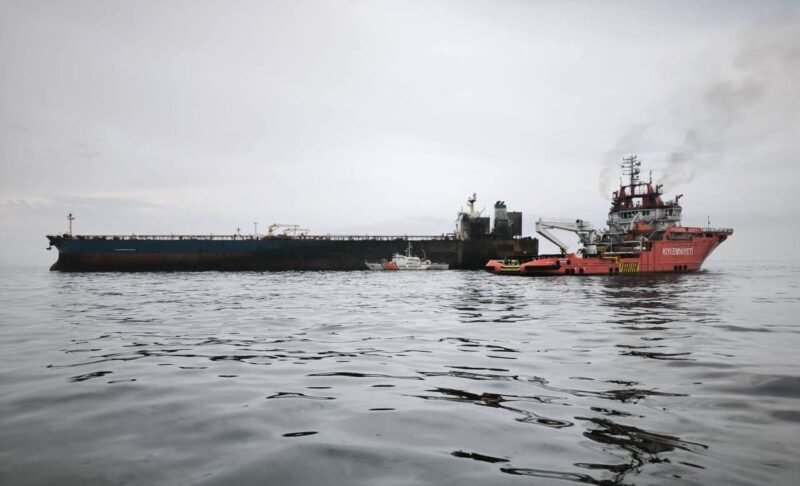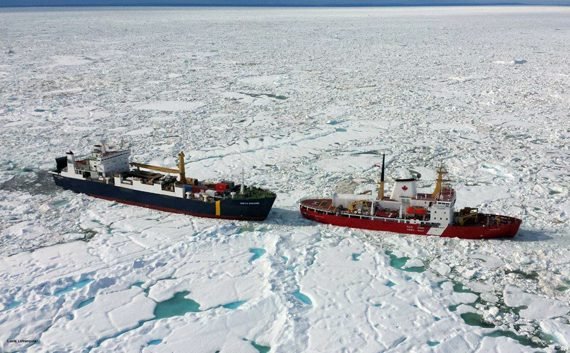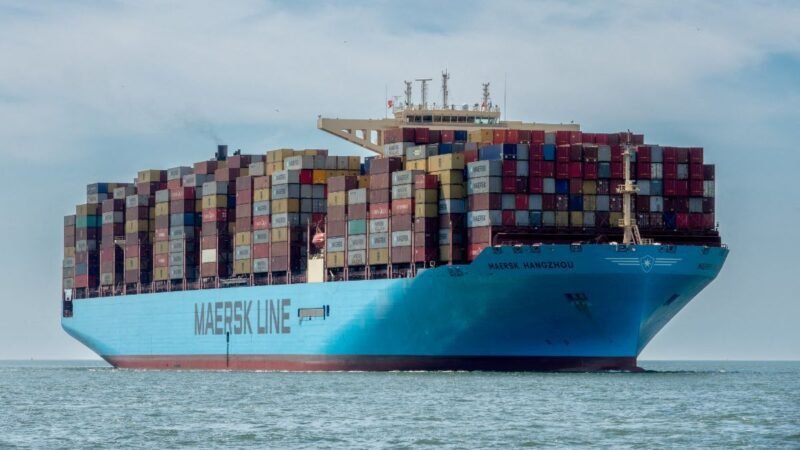
In 2025, the Arctic saw a record 1,812 unique ships, marking a 40% increase since 2013, as reported by the Arctic Council’s PAME Working Group. This surge in shipping traffic, tracked through the Arctic Ship Traffic Data (ASTD) System, coincides with declining sea ice, particularly in September when the ice reaches its lowest extent. In that month alone, 1,060 ships entered the Arctic Polar Code area, accounting for 58% of annual traffic.
Fishing vessels dominate Arctic shipping, making up 40% of all entries, followed by general cargo ships. Notably, crude oil tankers experienced a staggering 396% increase over the past 12 years, while bulk carriers rose by 156%. Cruise ships also saw a significant uptick, increasing by 123% since 2013.
Factors driving this growth include heightened natural resource extraction, particularly from projects like the Mary River Mine and the Yamal Gas Project. The Mary River Mine has led to a 540% rise in bulk carrier traffic in the Baffin Bay area, while the Yamal LNG project has introduced specialized gas tankers to facilitate year-round navigation, significantly boosting shipping volumes in the Arctic.