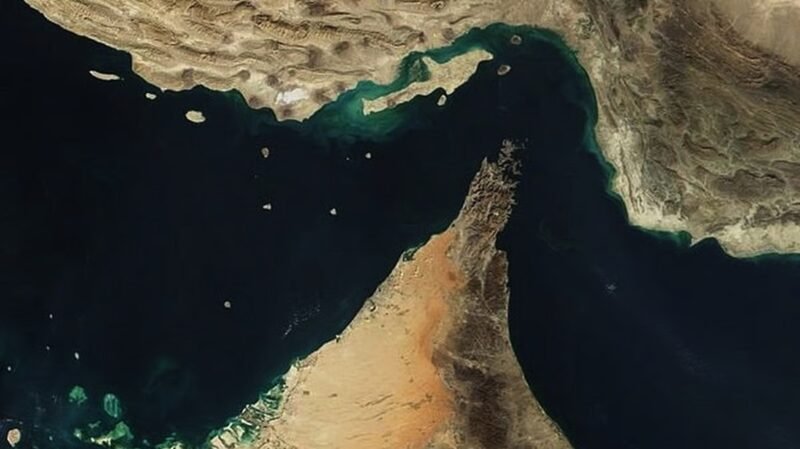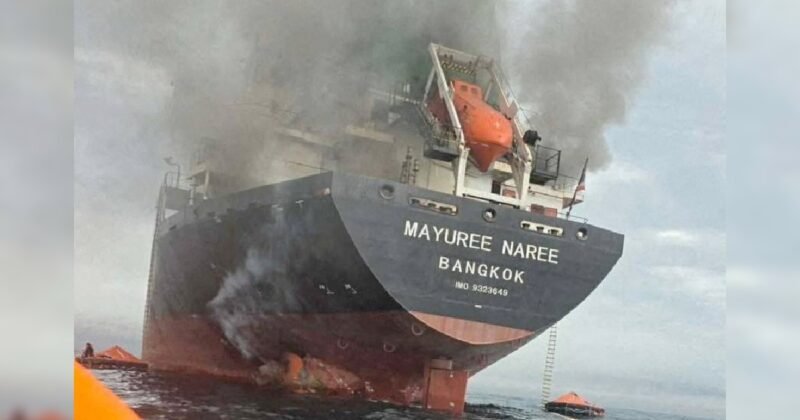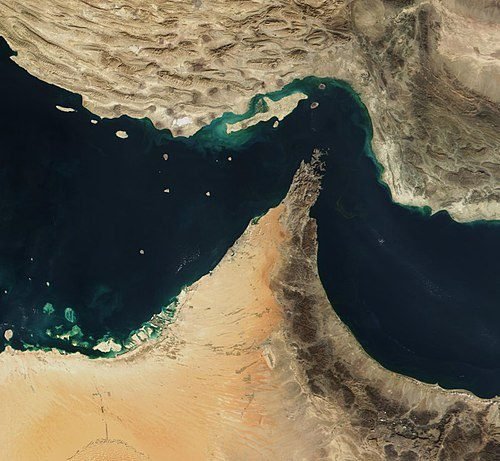
Recent U.S. and Israeli strikes on Iran have led to a significant disruption in global shipping, particularly through the Strait of Hormuz, which has become a critical maritime security zone. Following these actions, the Joint Maritime Information Center designated the maritime threat level as CRITICAL, predicting imminent attacks. Within just 24 hours, five commercial vessels were targeted, marking a severe escalation in hostilities and effectively halting over 80% of commercial transits through the Strait.
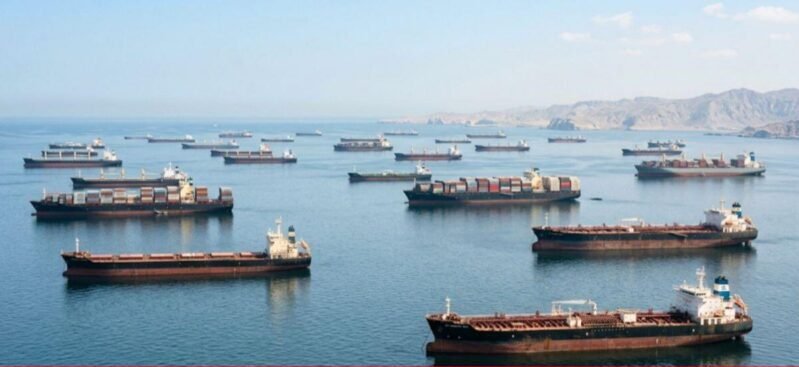
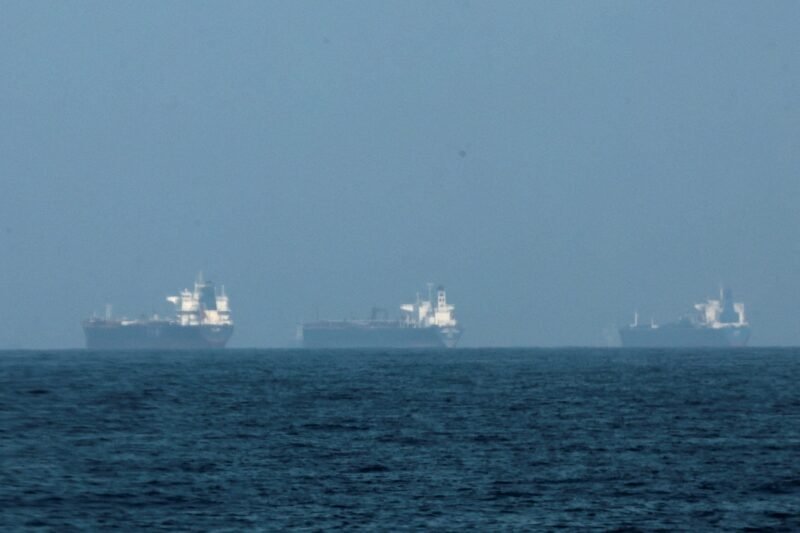
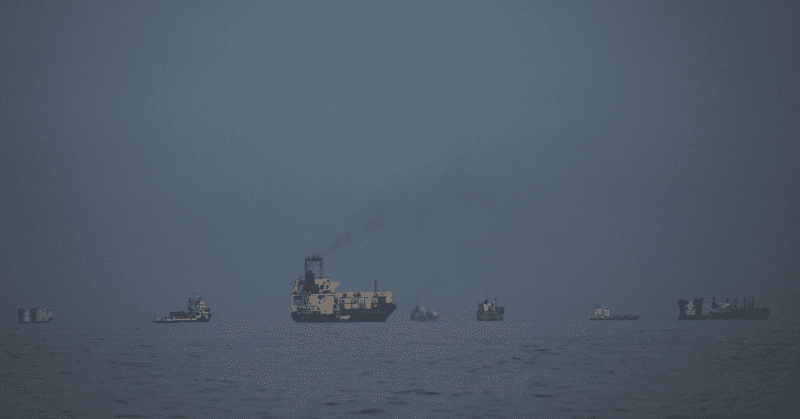
While a formal closure of the Strait has not been announced, various factors—including missile strikes, potential sea mines, and GPS interference—have rendered the area virtually impassable for most vessels. Many ships remain stranded in the Persian Gulf or awaiting clearance outside it. Insurance companies are responding by issuing cancellation notices for war-risk coverage, making further navigation exceptionally uncertain.
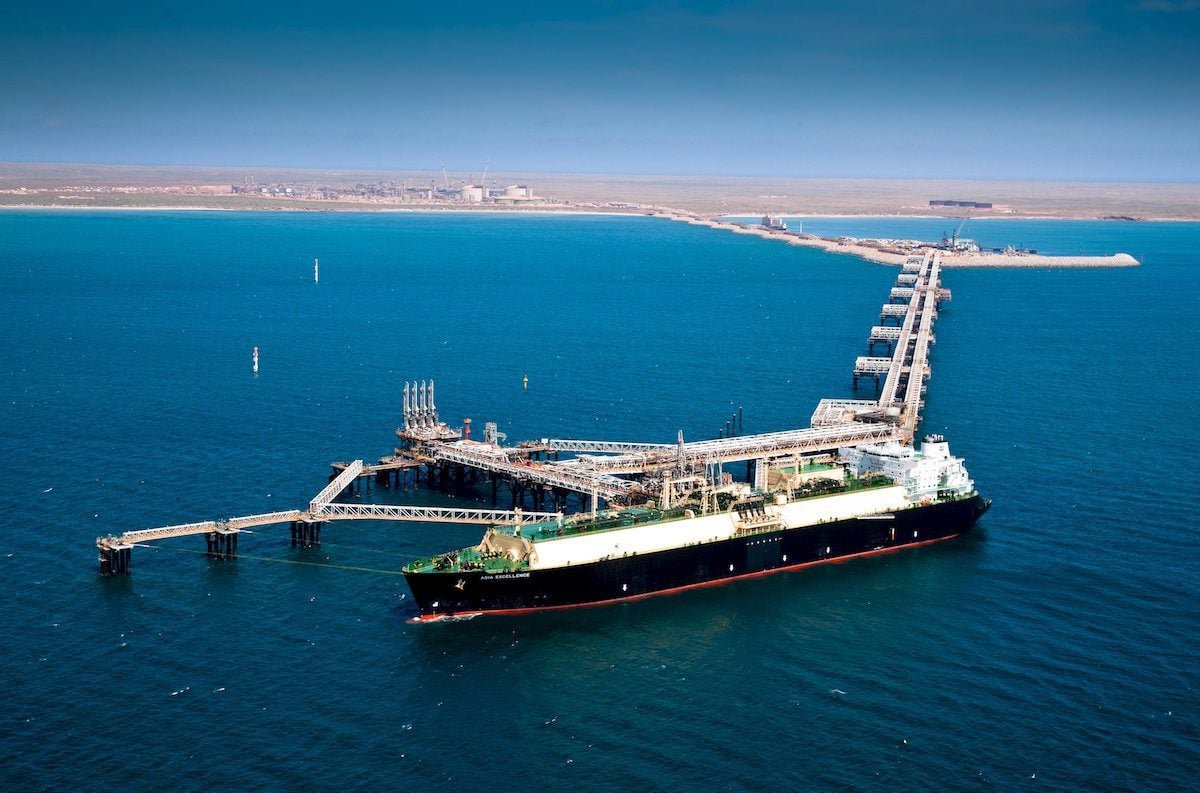
The disruption significantly affects oil markets, with the Strait facilitating approximately 15 million barrels per day—nearly a third of global crude exports. Although some bypass routes exist, they offer limited capacity. Consequently, crude prices have surged, triggering potential spikes in tanker rates as shippers seek alternative routes to meet demand. Meanwhile, liquefied natural gas and refined product markets also confront major supply constraints, leading to heightened shipping costs and shifting trade dynamics.
Overall, industry analysts predict that as tensions persist, shipping markets may face ongoing volatility. With a potential long-term disruption on the horizon, the extent and duration of these challenges will crucially shape global energy and trade markets in the coming months.
Share it now