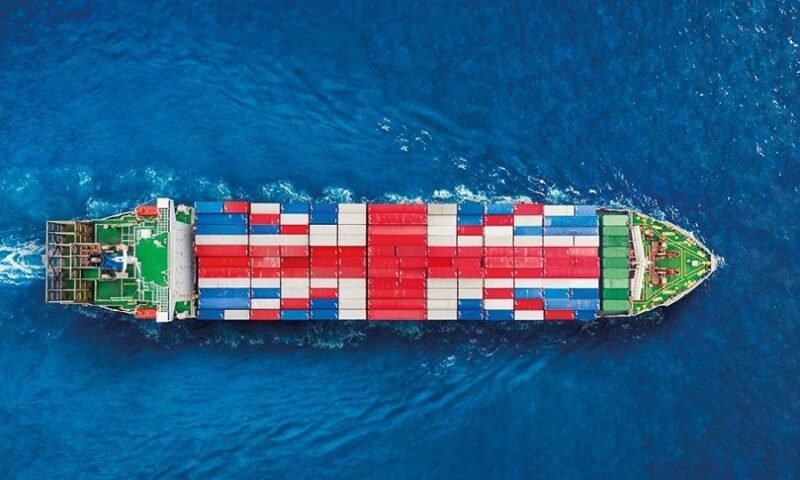
The UK shipping sector has intensified its opposition to government plans to expand the UK Emissions Trading Scheme (UK ETS) to domestic maritime activities starting July 1, 2026. Industry representatives warn that this initiative could lead to increased costs, negatively impact island communities, and diminish competitiveness, all without achieving significant reductions in emissions. The Draft Greenhouse Gas Emissions Trading Scheme (Amendment) Order 2026 was passed in the Commons on February 11, despite what many in the industry deemed insufficient parliamentary scrutiny.
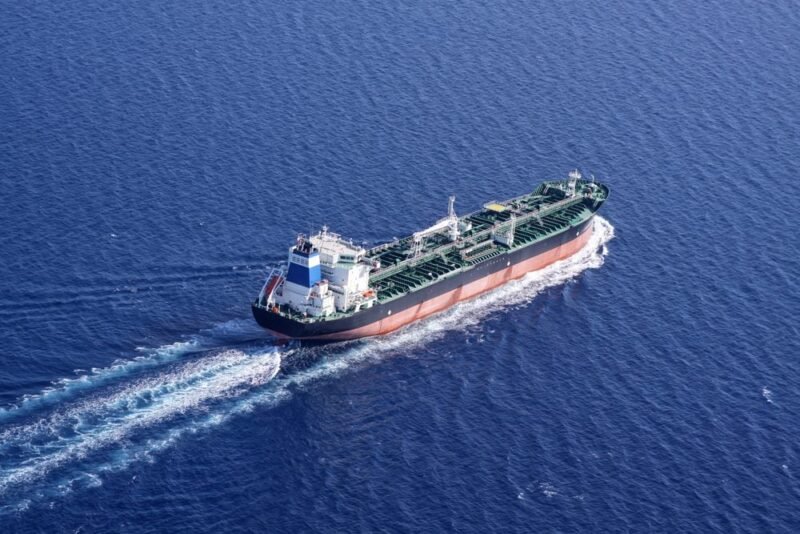
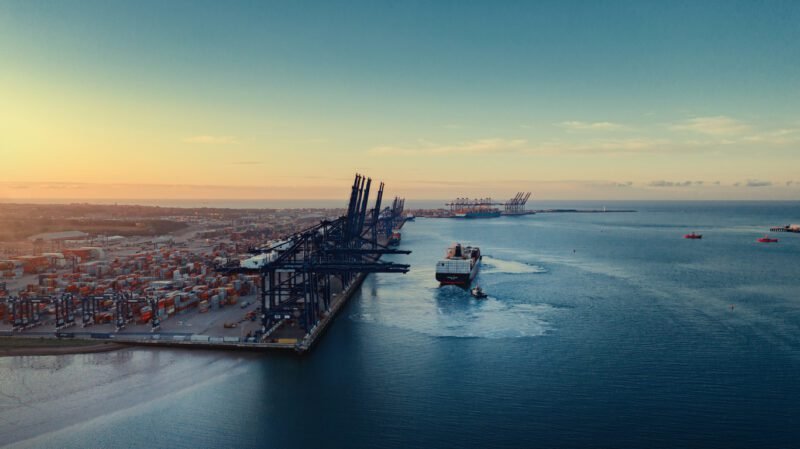
Under the new regulations, vessels over 5,000 gross tons engaged in domestic voyages between UK ports will need to monitor and report their carbon dioxide, methane, and nitrous oxide emissions, including those produced while docked. The UK Chamber of Shipping supports the nation’s climate goals but raises concerns about the timing and implementation of the scheme. Industry leaders highlight that alternative fuels are currently four to five times more costly than traditional marine fuels and that most UK ports lack the necessary infrastructure for low-carbon operations.
Particular alarm is directed at ferry-dependent island communities, where operators might struggle to absorb additional costs. Although certain Scottish routes enjoy protections under the EU ETS, similar safeguards are not yet established under the UK system. The Chamber is advocating for ETS revenues to be earmarked for essential upgrades, such as shore power and clean fuel development, while also calling for alignment with the EU ETS to prevent double charging and carbon leakage.
As regulations were published in mid-January with implementation set for just six months later, shipowners face a tight timeline to finalize monitoring plans and upgrade their systems. The UK ETS, which began in 2021 post-Brexit, operates on a cap-and-trade model and is set to enter a second phase from 2031 to 2040. The industry remains willing to collaborate with the government but insists on a viable approach that effectively reduces emissions without compromising vital UK connectivity.
Share it now