Researchers are navigating the complexities of underwater 3D printing, balancing pumpability with anti-washout agents in their concrete mixtures. According to Nair, the challenge lies in ensuring that the extruded material maintains shape and bonds effectively, particularly when using seafloor sediment, which is a requirement set by DARPA. This approach aims to reduce the logistical burden of transporting cement from land to sea.
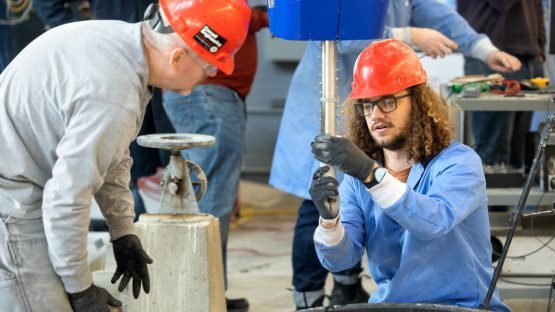
In September, the Cornell team showcased significant progress to DARPA officials, demonstrating their ability to meet sediment targets. Nair emphasized the uniqueness of their work, as no one else is currently utilizing seafloor sediment for 3D printing, thus opening new possibilities for concrete innovation. To tackle the intricate demands of this project, Nair assembled an interdisciplinary team, including experts from various fields such as electrical engineering, civil engineering, and architecture.
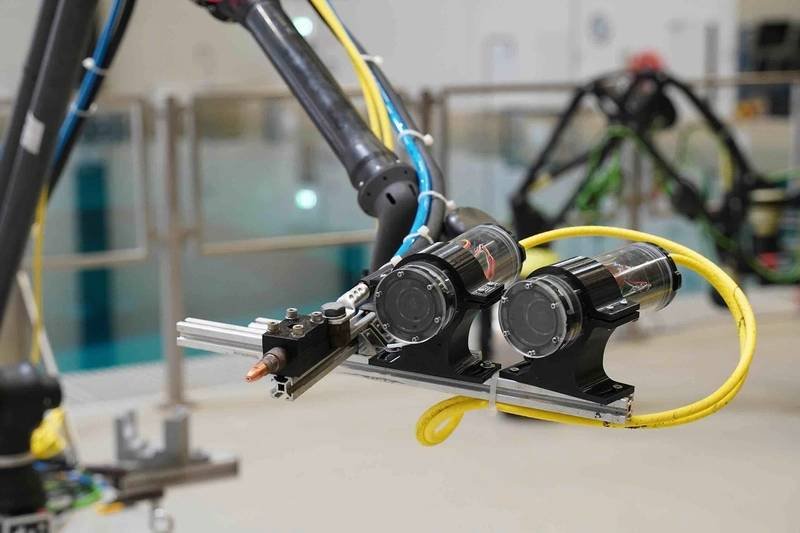
The upcoming phase of the DARPA challenge involves a collaborative effort to 3D print an arch underwater, scheduled for March. The team has been conducting test prints in controlled conditions to refine their techniques. However, real-world underwater conditions pose additional challenges, such as visibility issues due to fine sediment. To address this, the fabrication team is developing sensors to monitor the printing process in real-time, enhancing control and autonomy.
As the deadline approaches, the urgency of the competition has fostered a productive atmosphere within the team. They meet weekly to integrate advancements in materials and fabrication, showcasing a remarkable collaboration of expertise aimed at successfully executing their ambitious project.
Share it now