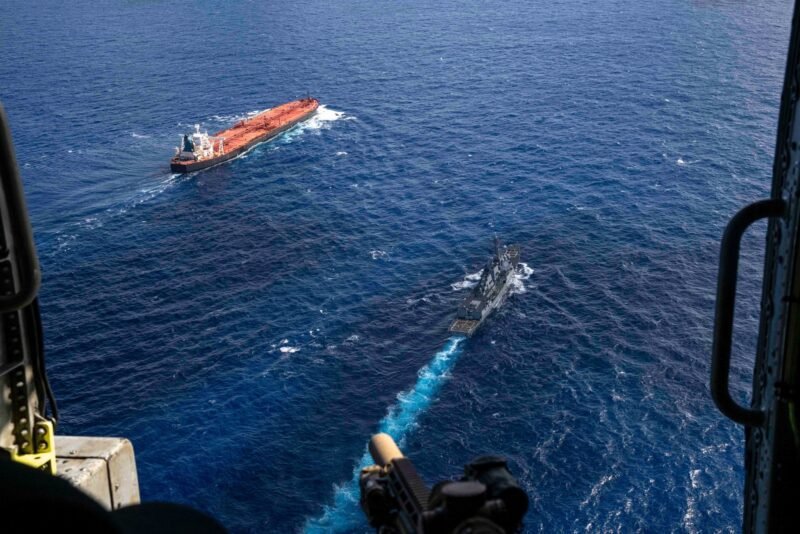
The Western Indian Ocean (WIO) is grappling with escalating maritime threats, particularly as security in the Red Sea remains precarious through 2025. A notable resurgence of piracy, especially along the Somali coast, poses significant risks. A recent incident in November saw pirates hijacking the Maltese-flagged tanker Hellas Aphrodite near Puntland, highlighting the region’s insecurity.
This growing maritime instability threatens the potential of the WIO’s blue economy. A recent report from the UN Economic Commission for Africa (ECA) identifies maritime insecurity as a major impediment to the growth of ocean-based industries, estimating that these threats cost the region approximately $1.1 billion annually—about six percent of the WIO’s gross marine product. The region’s natural capital is valued at $330 billion, with blue economy industries generating $20 billion each year.
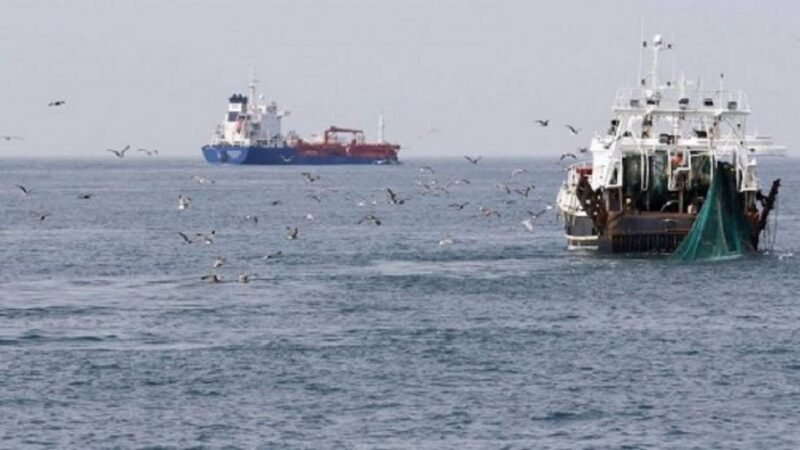
Key threats outlined in the report include the impact of illegal, unreported, and unregulated (IUU) fishing, which alone is estimated to cost $245 million. Additionally, increased shipping traffic raises the risk of environmental disasters, potentially incurring over $100 million in cleanup costs. The 2020 Wakashio incident, which released approximately 1,000 metric tons of fuel into Mauritius’s waters, exemplifies these dangers, with immediate cleanup costs estimated at $50 million.
Despite decades of efforts to combat piracy, it remains a persistent threat in the WIO. While the peak levels of piracy seen from 2010 to 2012 may not return, the risk continues to impose hidden costs on maritime trade, costing the shipping community $160 million in 2021 alone, primarily through insurance and security expenses. Edgard Razafindravahy, Secretary General of the Indian Ocean Commission, emphasizes the need for long-term financial planning for maritime security initiatives, advocating for integration into national budgets to enhance stability and protect regional economies and ecosystems.
Share it now