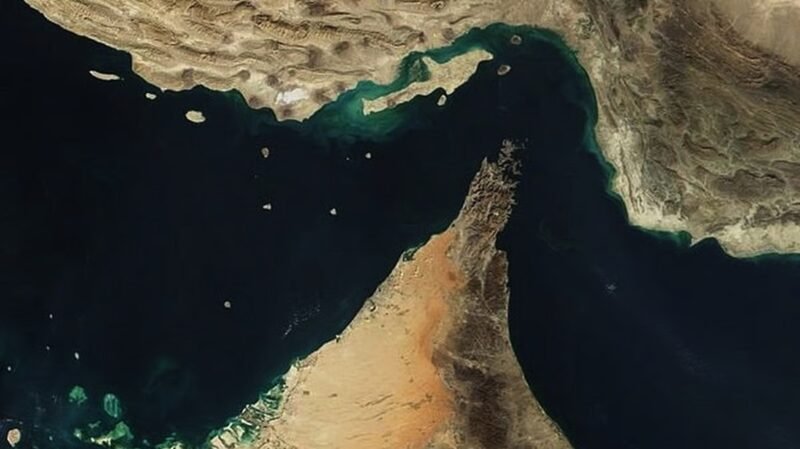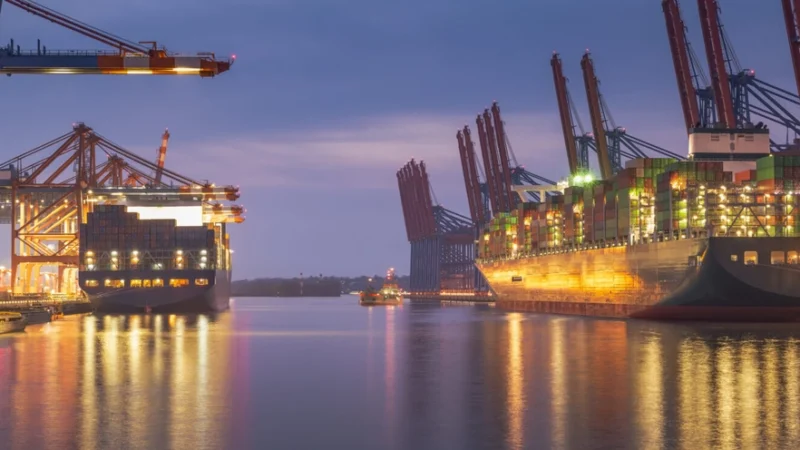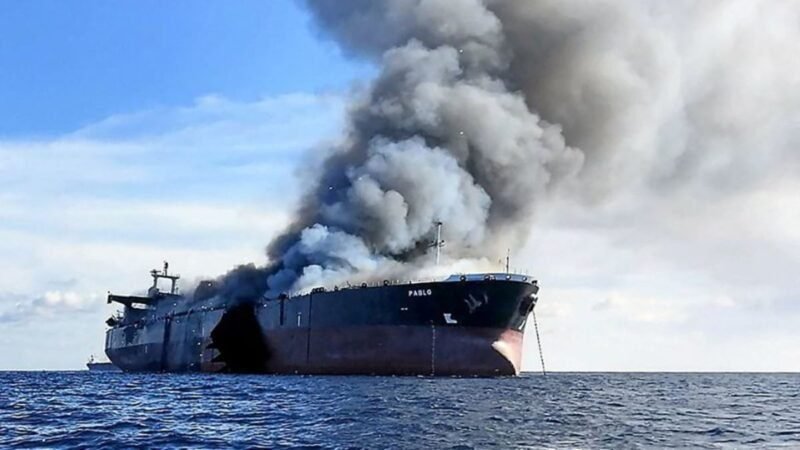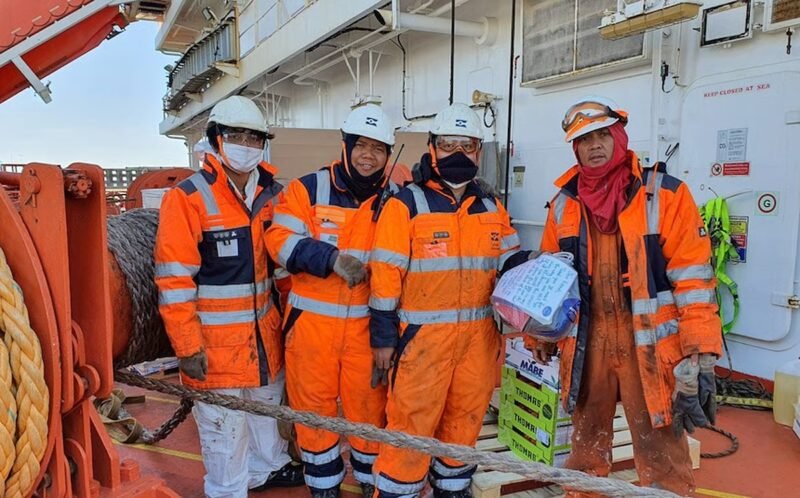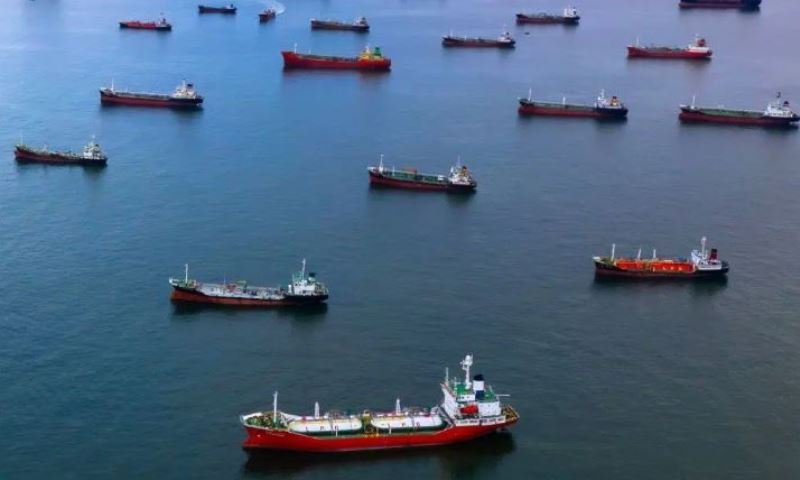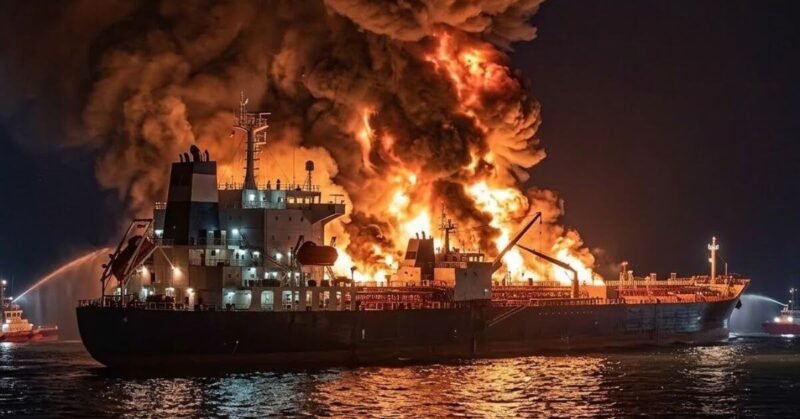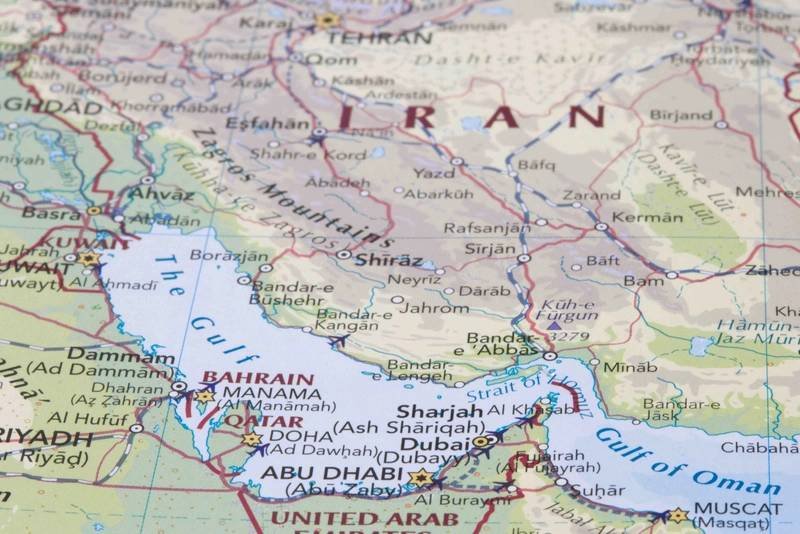
Seafarers now have the right to refuse to sail in the Middle East Gulf, including the Strait of Hormuz, following a significant escalation in regional threat levels, as announced by major labor unions and shipping industry groups. Approximately 300 vessels are currently anchored on both sides of the Strait amid rising tensions due to the U.S.-led conflict with Iran. Since February 28, nine ships have sustained damage, and one seafarer has lost their life.
Under new agreements reached between mariners and shipping companies through the International Bargaining Forum (IBF), seafarers can decline to enter the high-risk area. Companies will cover repatriation costs and provide compensation equivalent to two months’ basic wages. Additionally, seafarers will receive increased pay, and compensation will be doubled in cases of death or disability.
International Transport Workers’ Federation (ITF) General Secretary Stephen Cotton emphasized the importance of these protections for seafarers operating in dangerous regions. He criticized the need for such measures, stating that no worker should face life-threatening risks while performing their duties, especially when transporting essential goods that support global economies.
Related posts:
 24/7 Helpline for Female Seafarers Launched to Provide Support and Empowerment
 STEER Project Launched to Empower Seafarers Amid Maritime Technological Advances
 International Bargaining Forum Secures 3.5% Wage Increase for Seafarers Globally
 Empowering Nigerian Graduates to Embrace the Maritime Industry