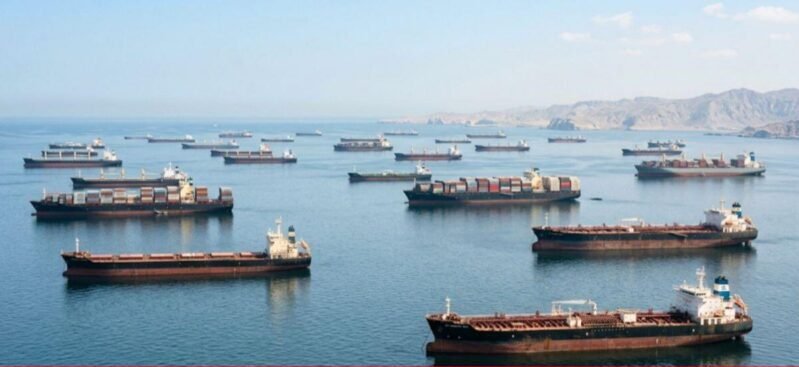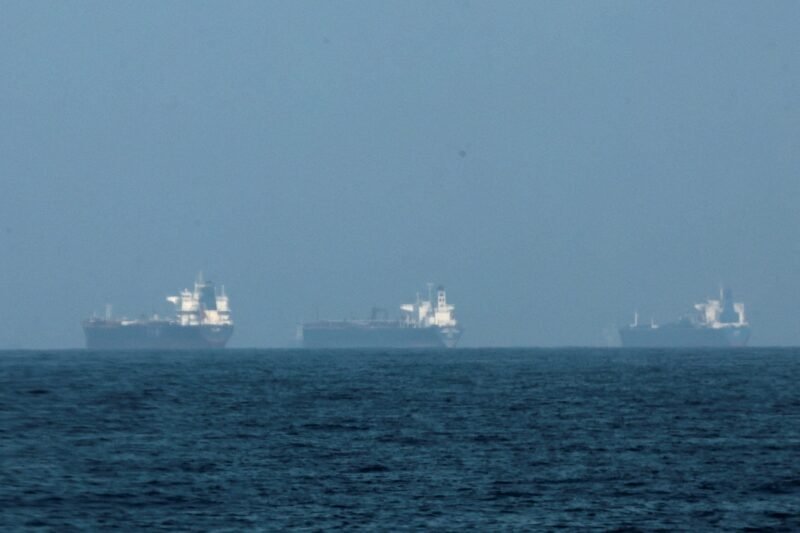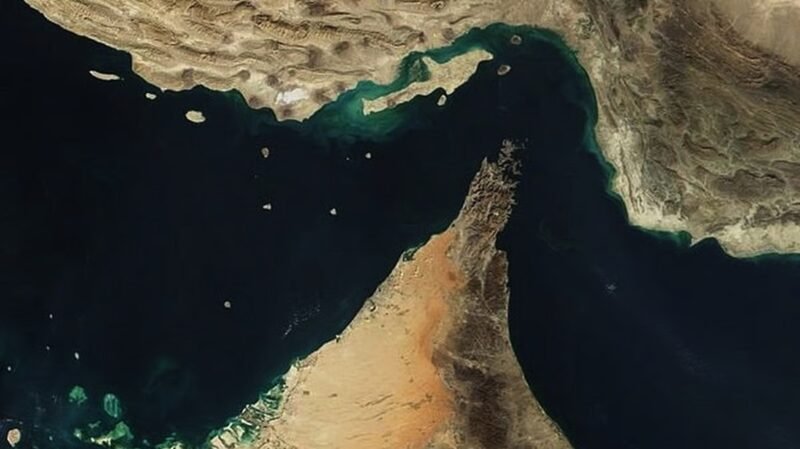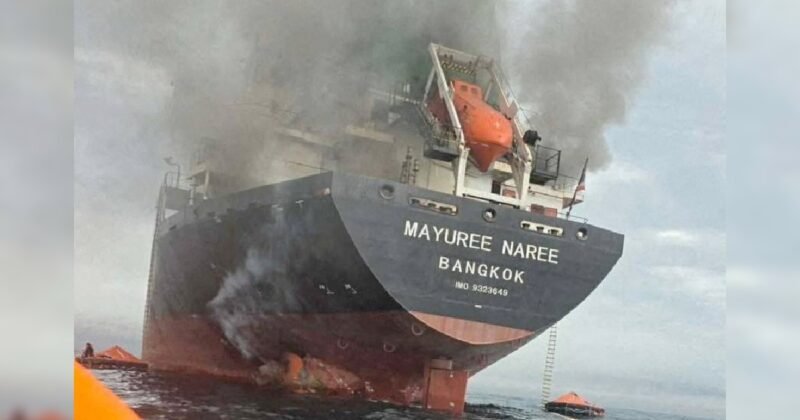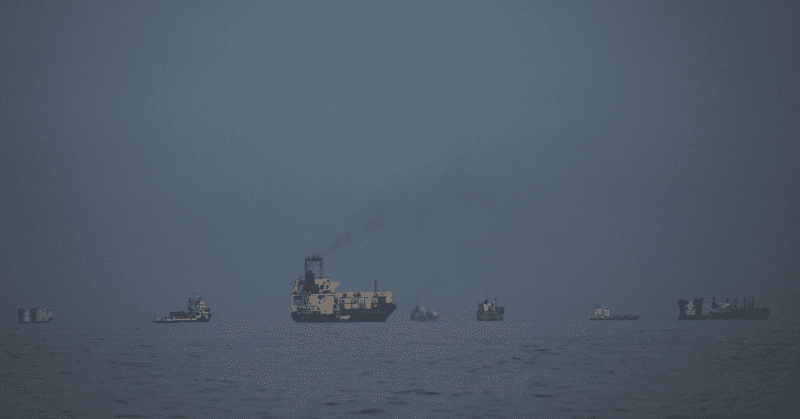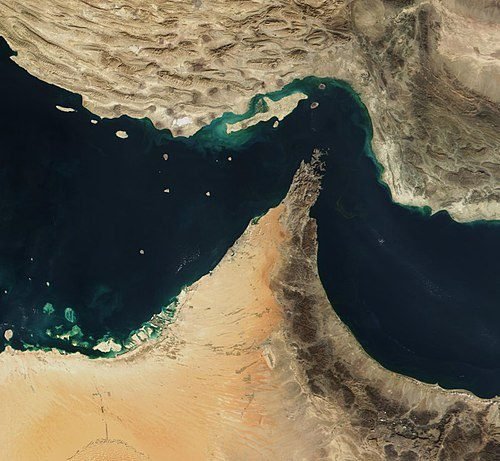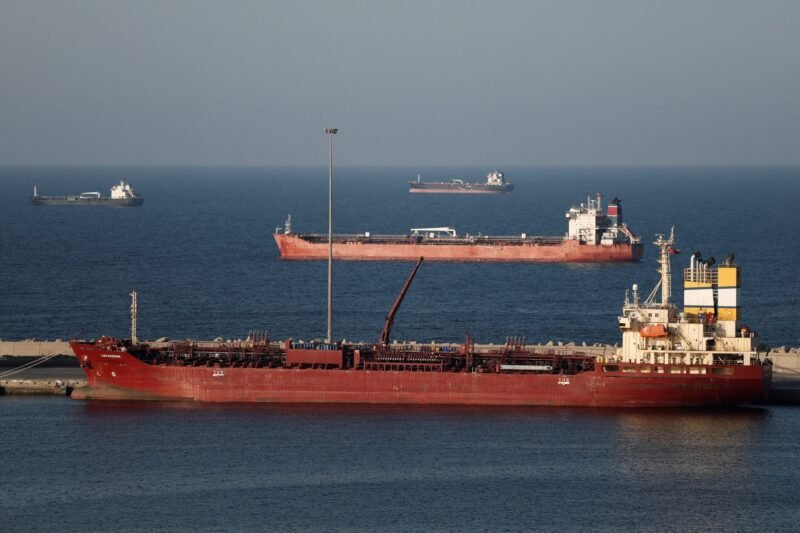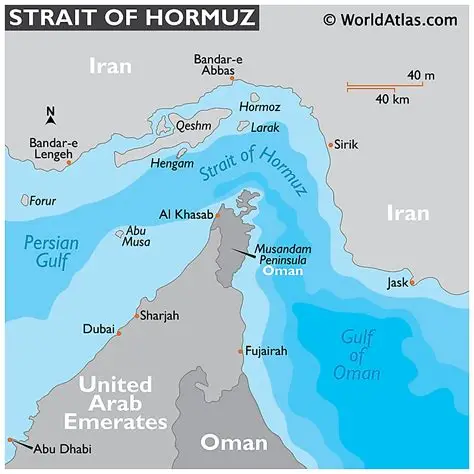
The International Maritime Organisation (IMO) reports that approximately 3,000 vessels and 20,000 seafarers are currently stranded in the Middle East due to ongoing hostilities between the US and Israel against Iran, which have resulted in the closure of the Strait of Hormuz. This vital shipping corridor, essential for global trade, has been shut down amid threats of Iranian strikes.
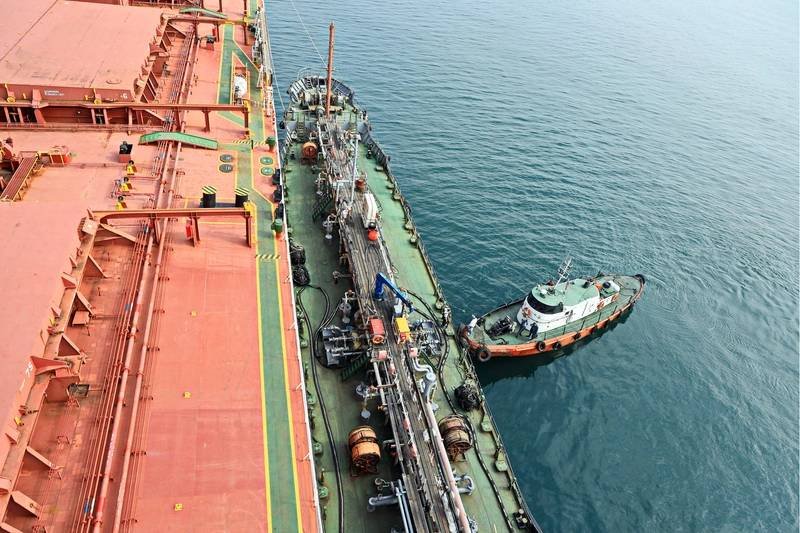
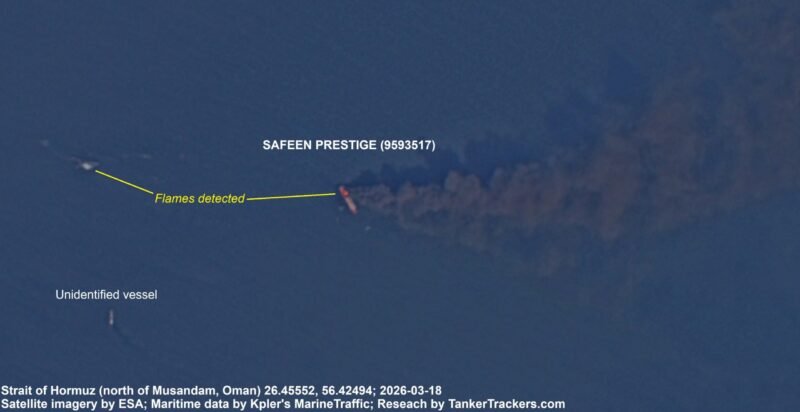
IMO Secretary-General Arsenio Dominguez has expressed concerns about the global repercussions of this closure, which affects 20 percent of the world’s oil supply. The situation escalated after a tugboat assisting another vessel in the strait was attacked, resulting in the deaths of four seafarers. Dominguez condemned the incident and described the overall circumstances as “deteriorating,” urging ships to steer clear of the region.
In light of the escalating conflict, UN Emergency Relief Coordinator Tom Fletcher highlighted the potential humanitarian fallout that could extend beyond the Middle East. He warned that disruptions to critical maritime routes like the Strait of Hormuz could lead to increased food prices and strain health systems, making it more difficult to deliver humanitarian aid, particularly to the most vulnerable populations. Fletcher called for dialogue among member states to de-escalate tensions and restore safe navigation in the region.