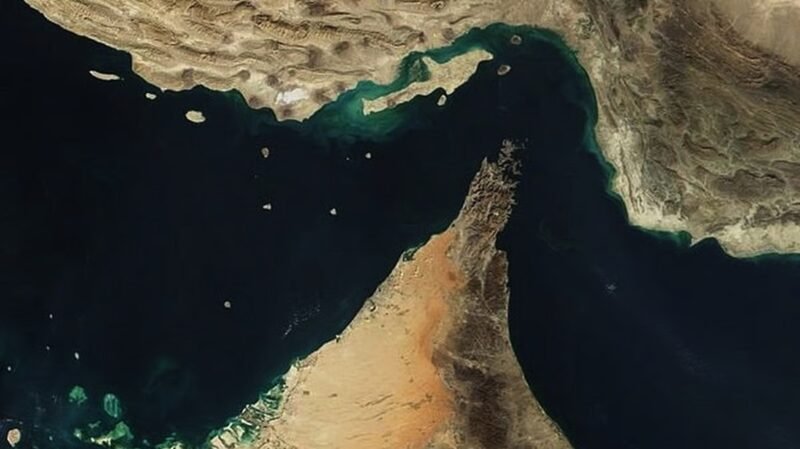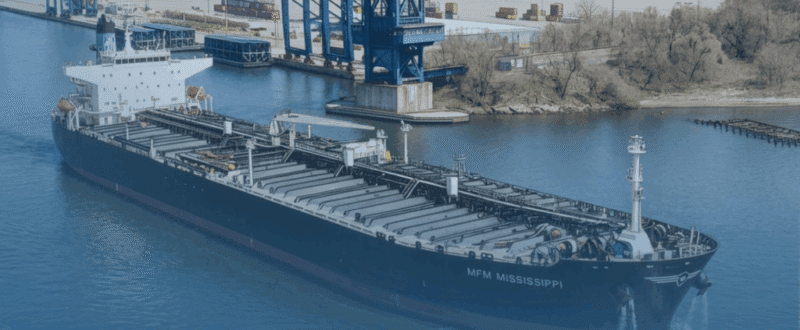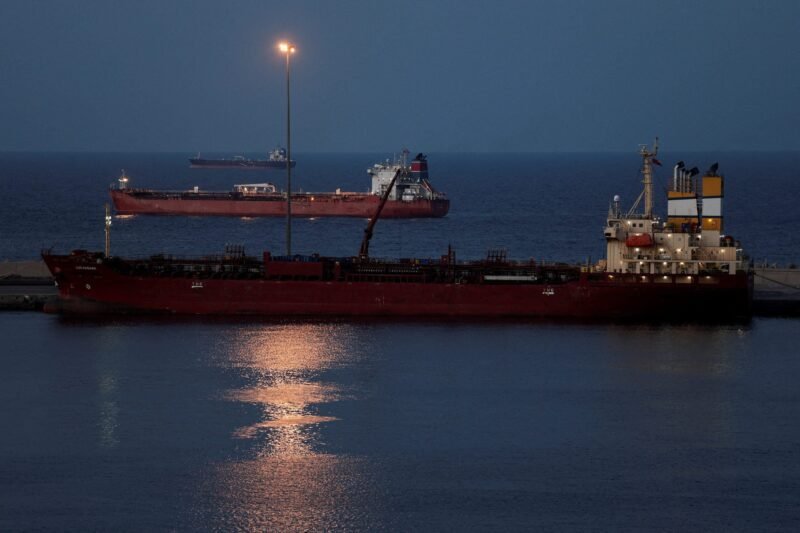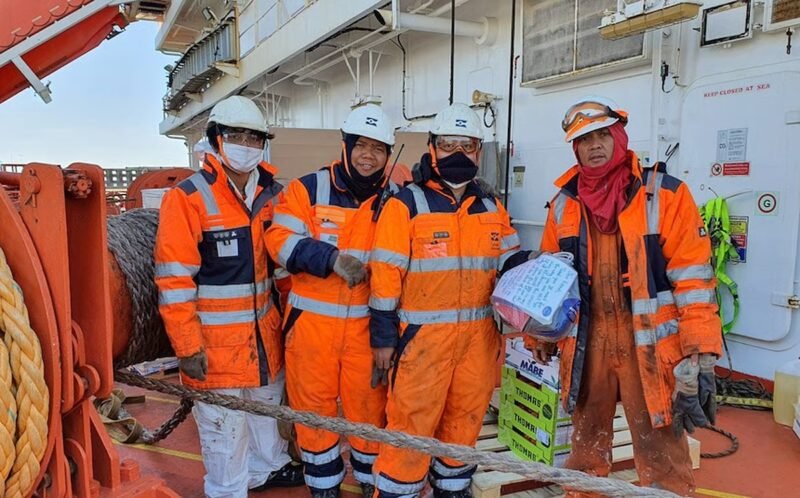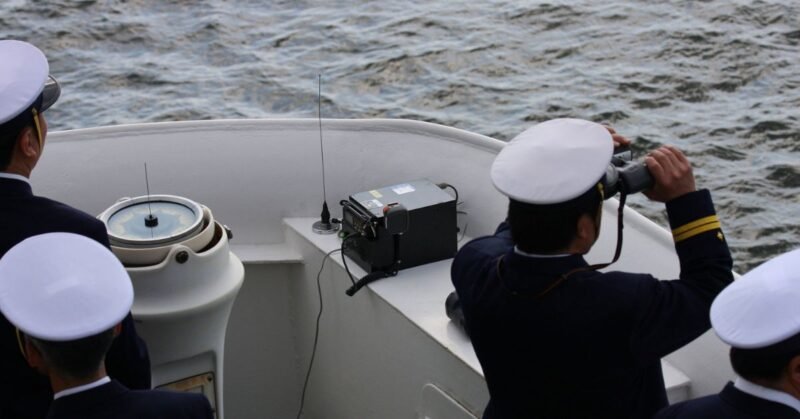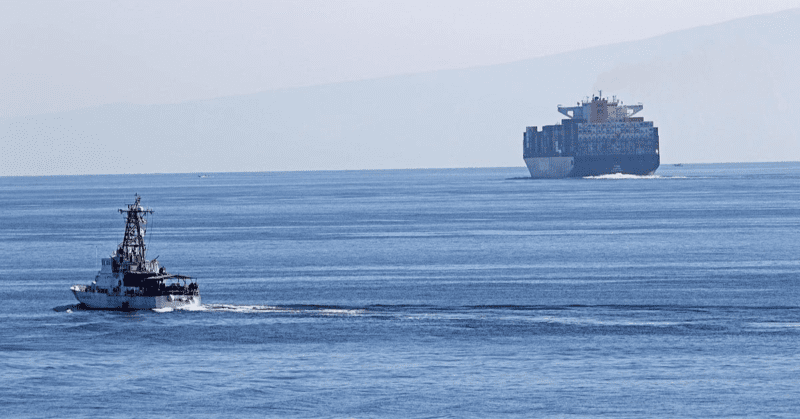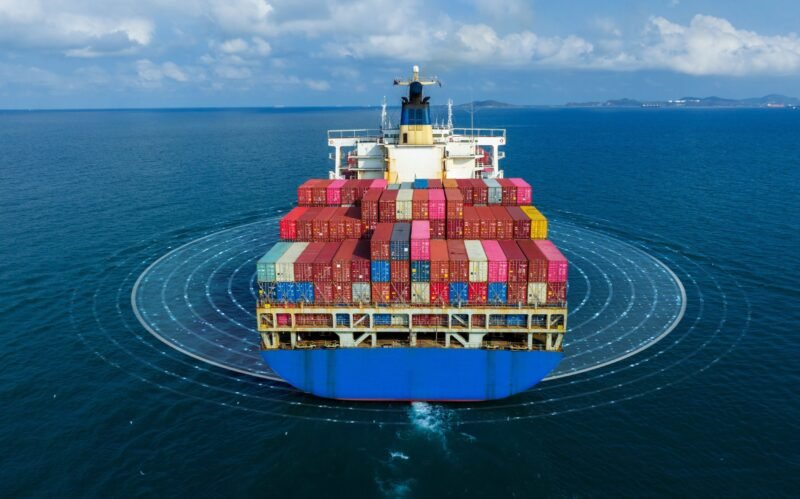
As tensions rise in West Asia, 38 Indian-flagged ships with approximately 1,100 seafarers remain stranded in the Persian Gulf, causing serious concerns about maritime safety and global trade disruptions. The vessels, primarily transporting crude oil and LNG, operate near the Strait of Hormuz, a vital maritime route for energy supplies. In response, Union Shipping Minister Sarbananda Sonowal convened a high-level review to discuss the situation and ensure the safety of Indian seafarers, directing officials from the Directorate General of Shipping to implement protective measures.
Currently, 24 Indian-flagged vessels are situated west of the Strait of Hormuz, while 14 are east of it. Fortunately, there have been no confirmed instances of detention or attacks on these ships. However, the ongoing conflict has resulted in casualties among Indian seafarers working on foreign-flagged vessels, including three fatalities and one injury near the Port of Oman. Statistics reveal that there are about 23,000 Indian seafarers in the conflict-affected area, positioning India as one of the largest global suppliers of maritime labor.
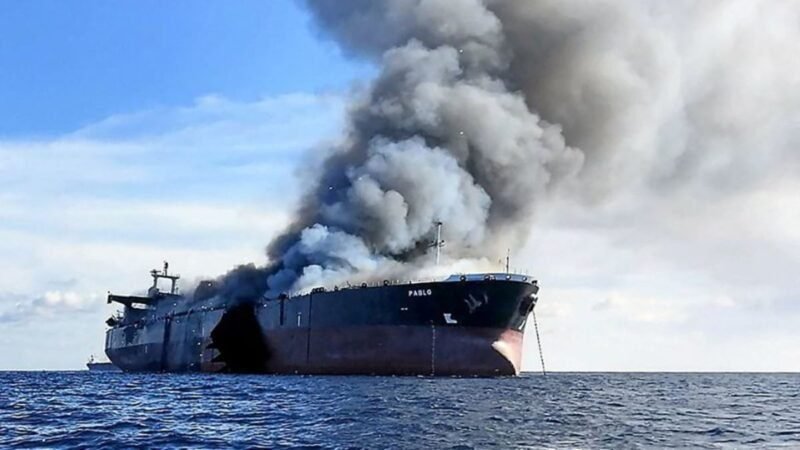
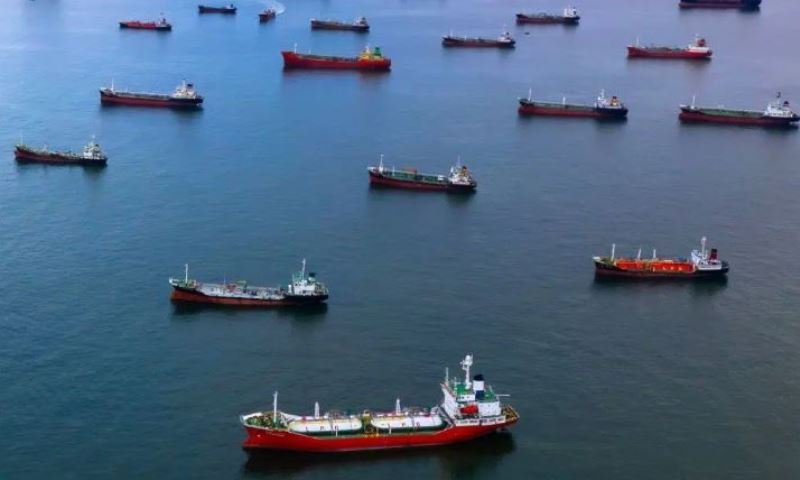
The escalating violence has disrupted international shipping routes, with reports indicating damage to at least five tankers and nearly 150 ships stranded near the Strait. Several international shipping lines have halted services to West Asia due to safety concerns. Consequently, vessels that would normally navigate the Suez Canal are being rerouted around the Cape of Good Hope, increasing transit times and operational costs significantly.
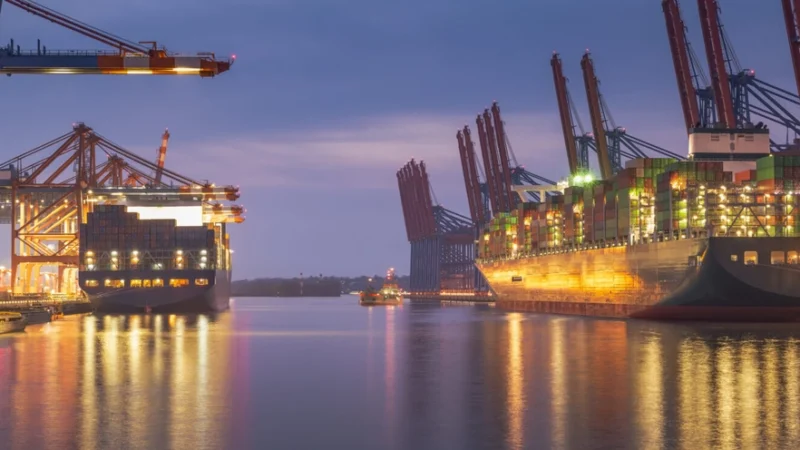
This disruption has led to cargo congestion at Indian ports, with about 1,000 containers awaiting shipment. Exporters are feeling the effects, as significant portions of fruit and vegetable shipments are stranded. Some Gulf-bound vessels are being temporarily diverted to regional ports, where cargo is transported by land. Authorities remain vigilant as the situation poses ongoing threats to maritime safety, energy supply chains, and global trade flow.
Share it now