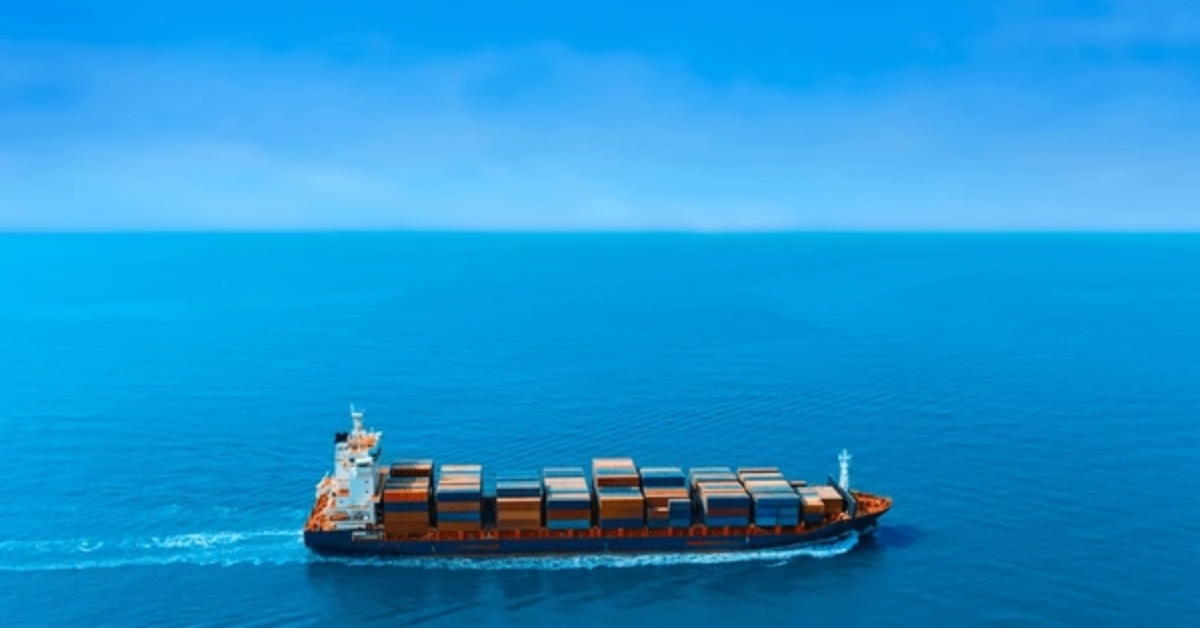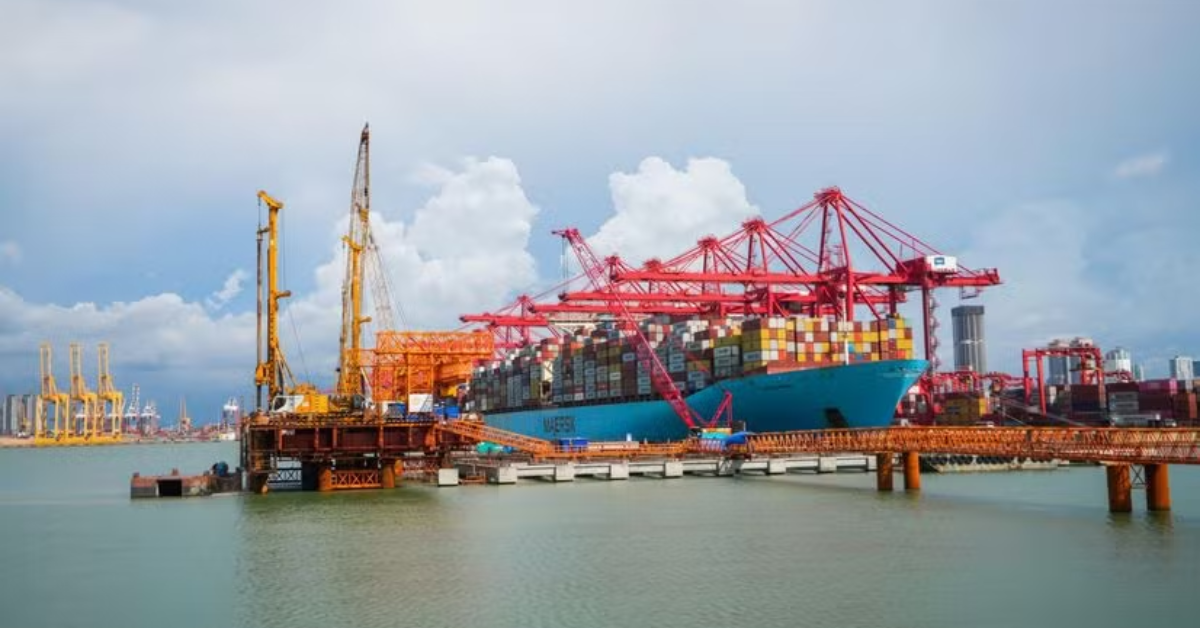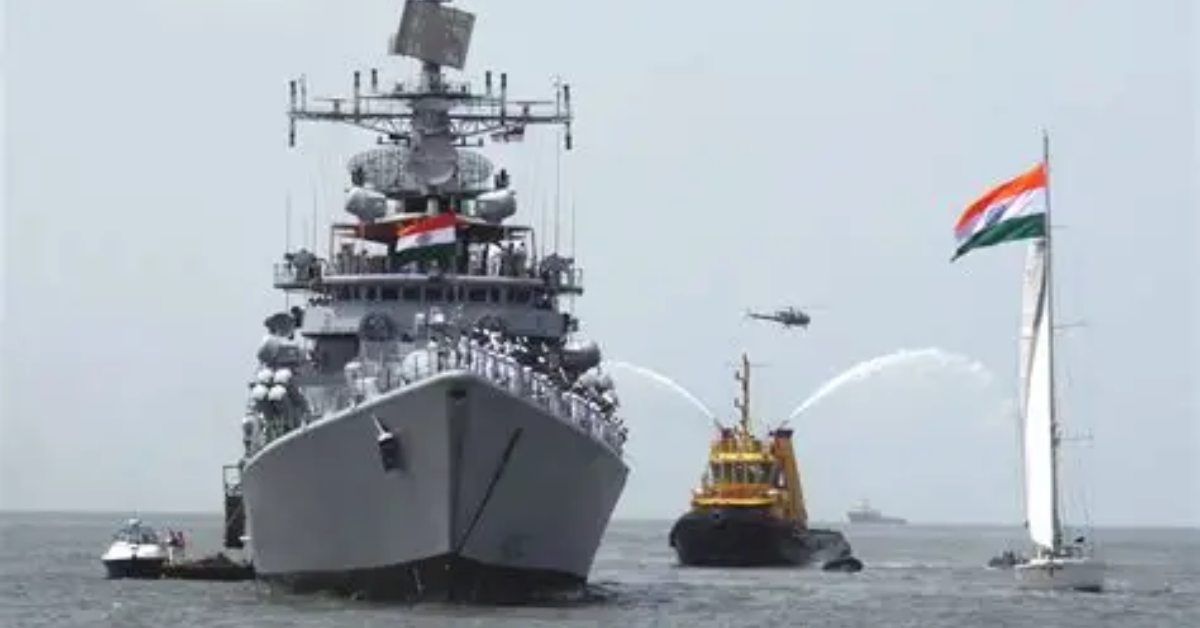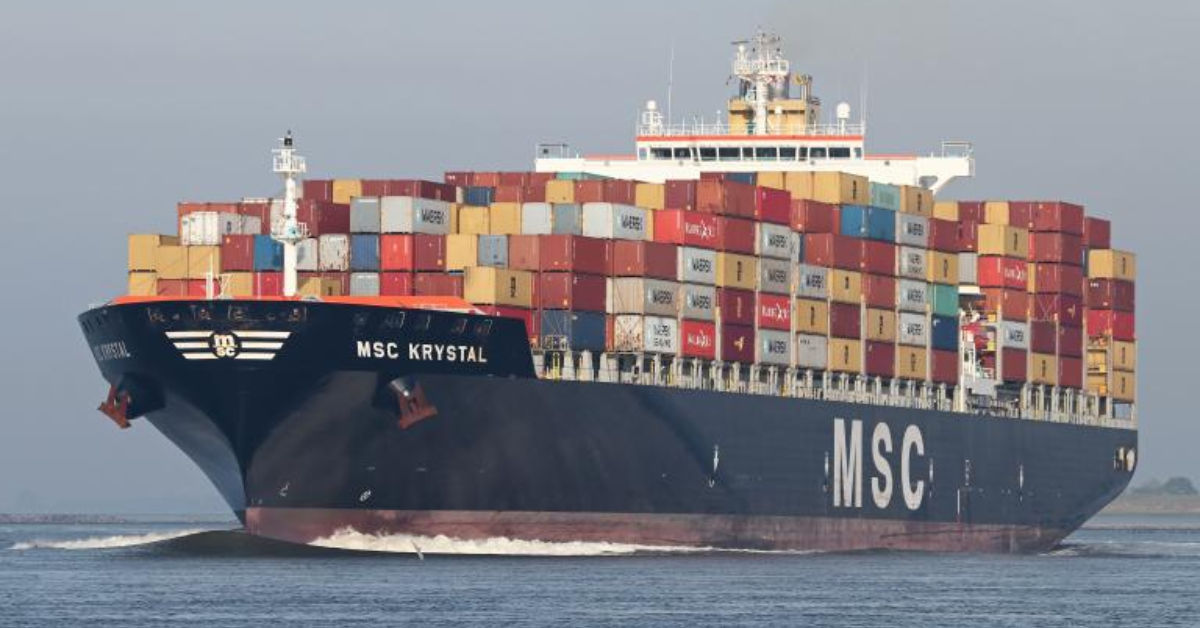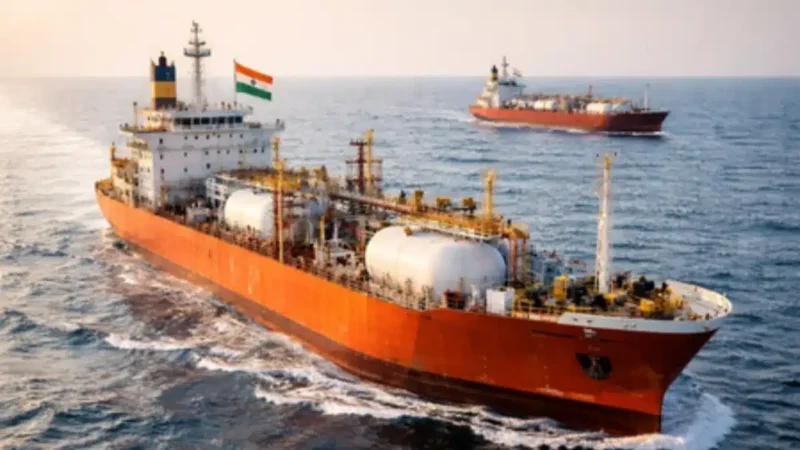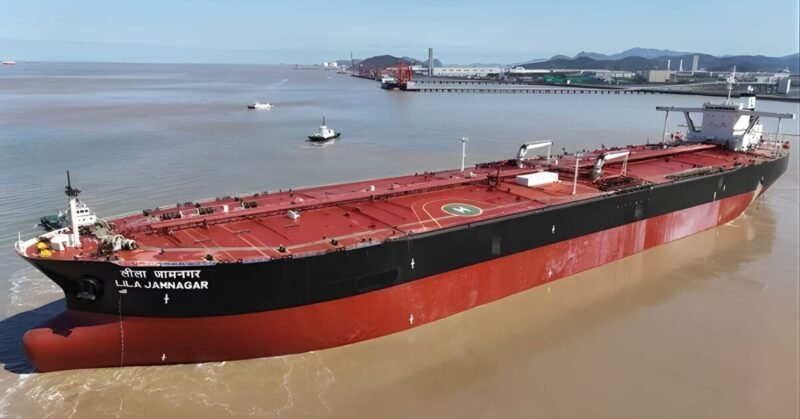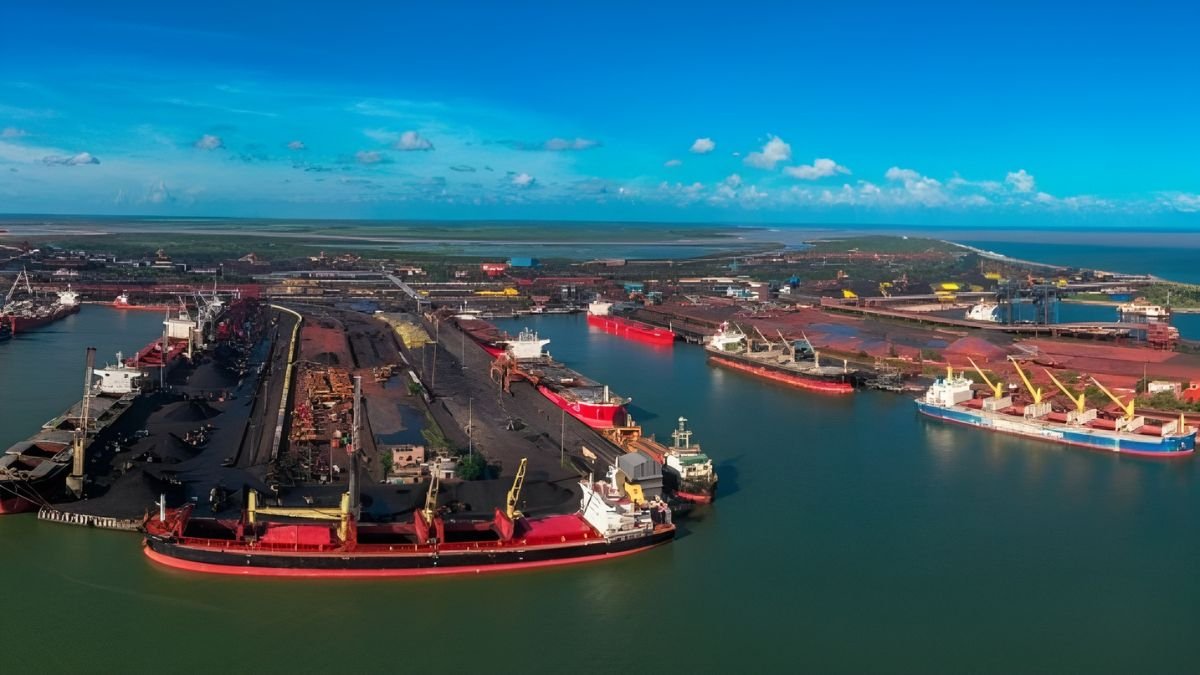
As part of India’s ambitious Maritime India Vision 2030, the country is transitioning from fossil-fuel-powered harbour tugs to electric alternatives. Union Minister Sarbananda Sonowal recently updated Parliament on this initiative, highlighting the Green Tug Transition Programme (GTTP). Notably, Deendayal Port, Jawaharlal Nehru Port, Visakhapatnam Port, and V.O. Chidambaranar Port have already ordered electric tugs, positioning them among the first globally to adopt fully electric towing fleets.
The GTTP is just one aspect of the broader Maritime India Vision 2030, which includes five key targets: ensuring renewable energy meets over 60% of port energy requirements, electrifying 50% of port equipment, reducing CO₂ emissions by 30% per tonne of cargo, cutting fresh water consumption by 20% per tonne, and designating 20% of port land for green belt coverage.
Additionally, several ports have been recognized as Green Hydrogen Hubs under the National Green Hydrogen Mission. Deendayal Port has launched a 1 MW green hydrogen plant and allocated 3,400 acres for related developments. V.O. Chidambaranar Port is working on a green hydrogen plant and methanol bunkering facility, while Paradip Port is set to build a ₹797.17 crore Green Hydrogen/Ammonia jetty.
Beyond these initiatives, the government has also provided ₹53.39 crore in incentives to 109 ship recycling yards, aligning with the Hong Kong International Convention to enhance sustainability in maritime operations.
Share it now