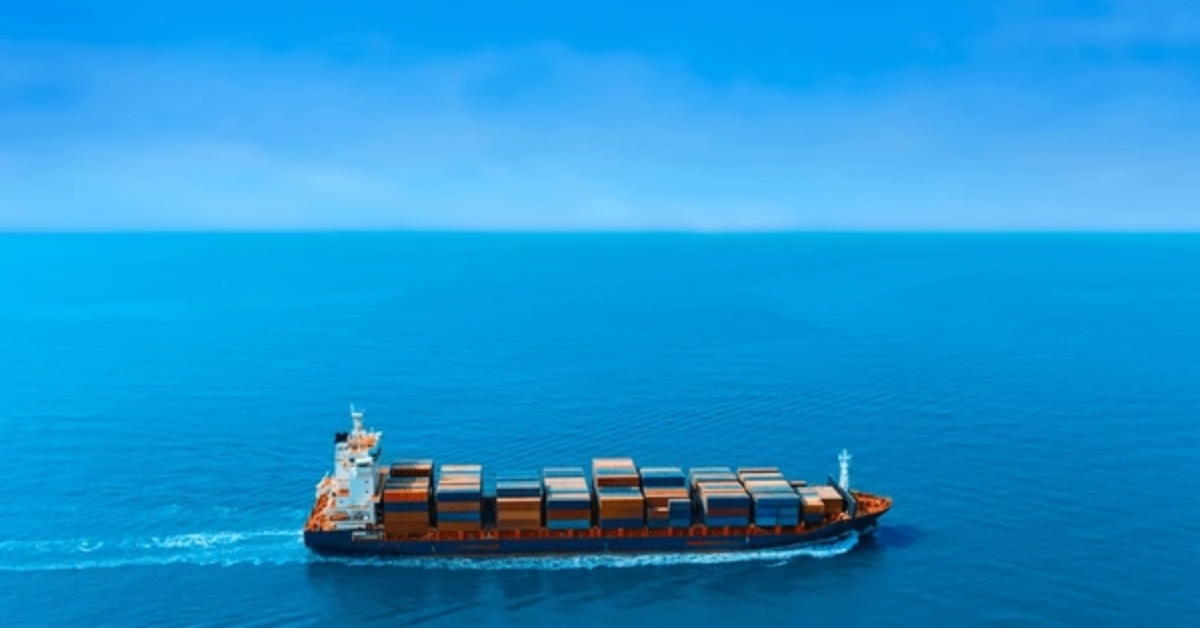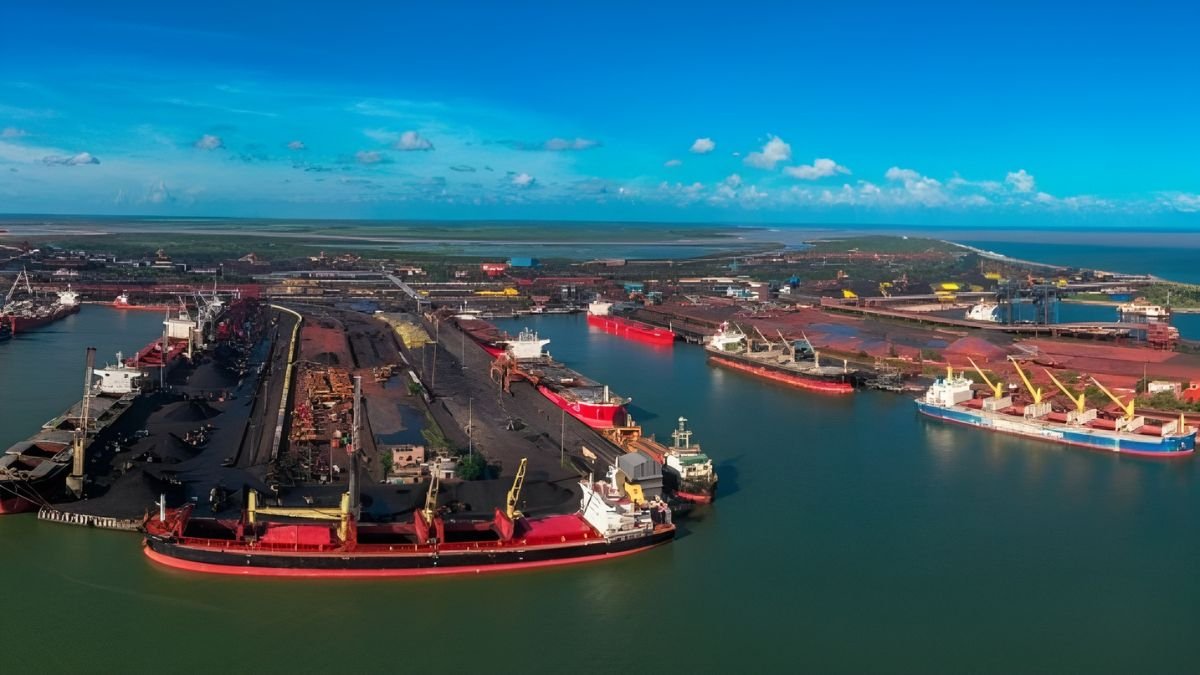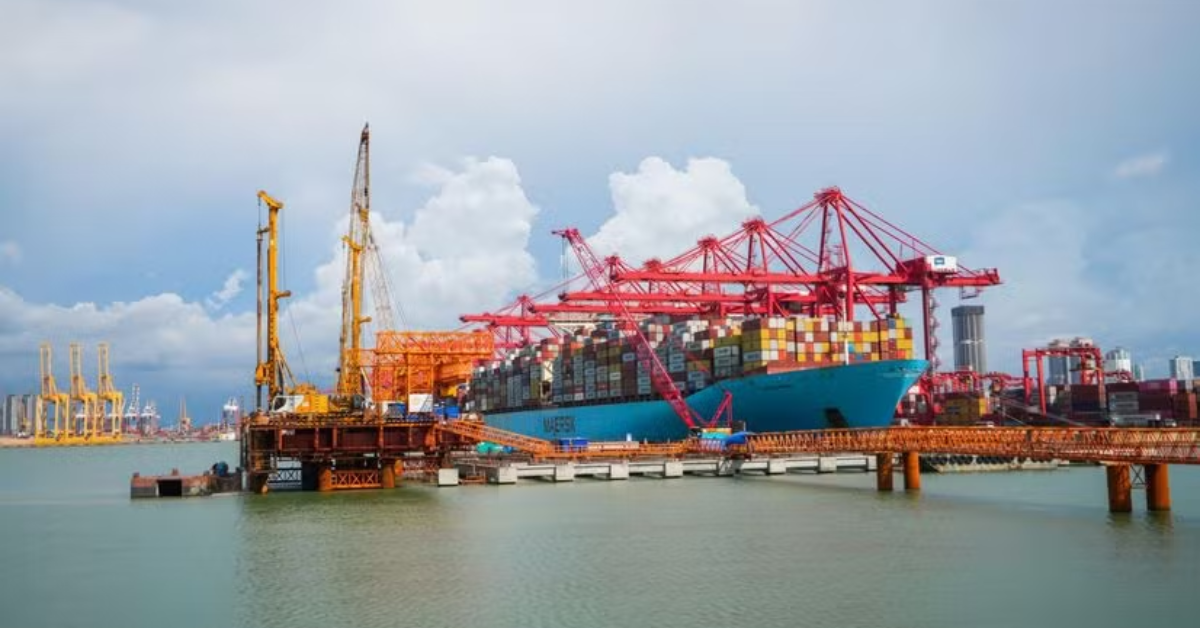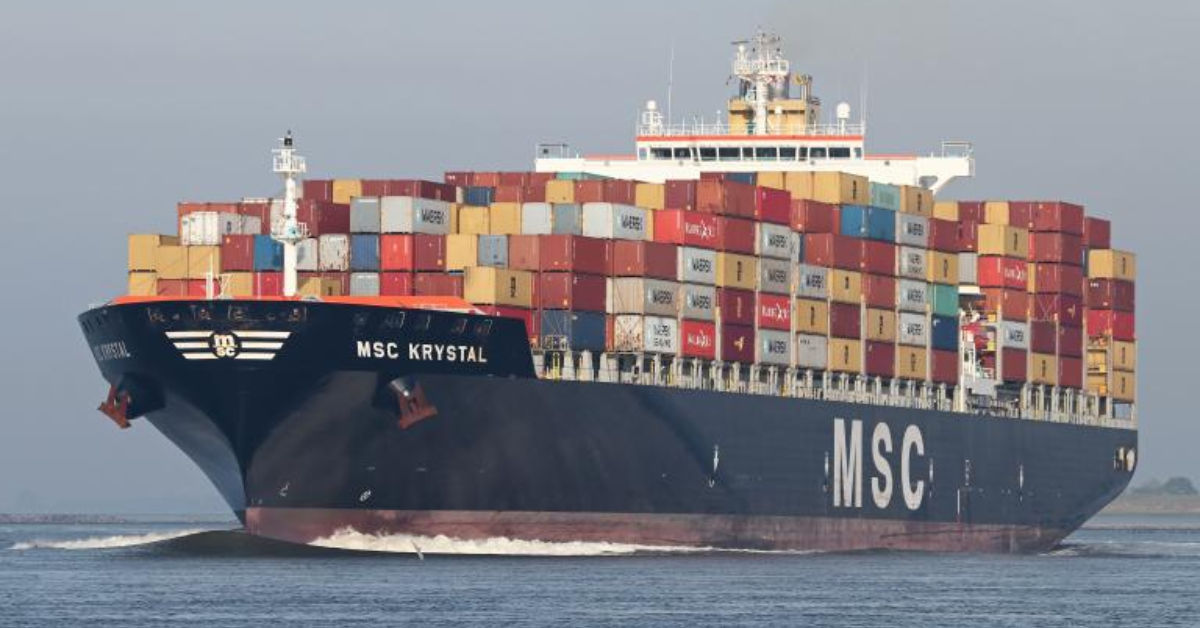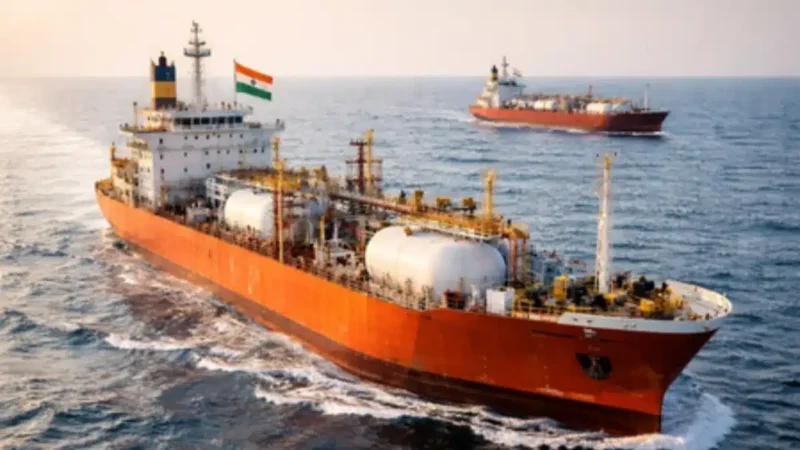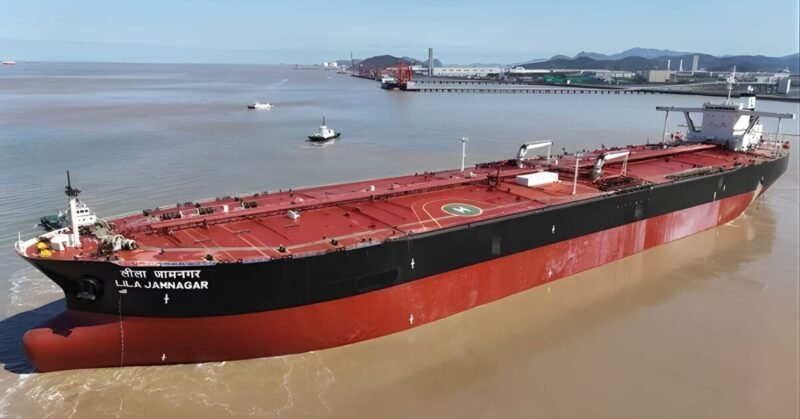
India is making significant strides in its green maritime initiatives, with ports across the nation embracing renewable energy, cleaner fuels, and sustainable practices. This shift, driven by heightened global health, safety, and environmental standards alongside India’s Renewable Purchase Obligations, aims to create safer and more resilient port operations while balancing economic growth with environmental protection.
The nation’s extensive coastline, rich in biodiversity, is increasingly pressured by trade and infrastructure development. In response, Indian maritime policies are aligning with the International Maritime Organization’s guidelines and the UN’s Sustainable Development Goals. Key strategies include adopting clean fuels such as green hydrogen and biofuels and modernizing operations through the Maritime India Vision (MIV) 2030 plan. This extensive framework seeks to reduce carbon emissions and position India as a global green hydrogen hub, targeting the production of 5 million tonnes annually by 2030.
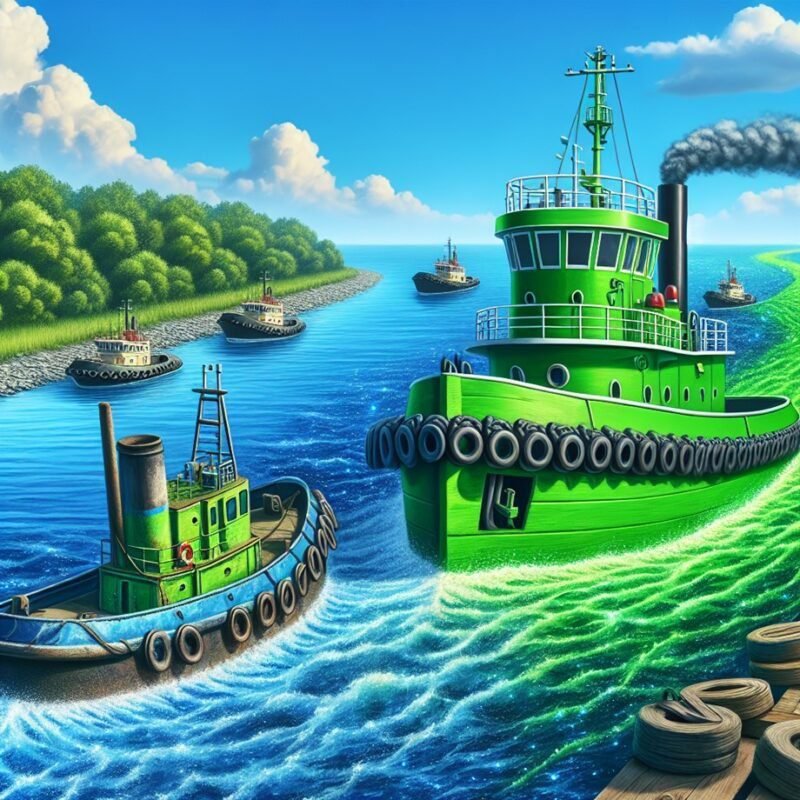
To further these objectives, several green initiatives have been launched. The government’s Maritime Development Fund and flagship programs like the Green Tug Transition Programme aim to catalyze investments in sustainable infrastructure. By enhancing clean fuel usage and promoting solar and wind energy projects, India aims to earmark ₹3–3.5 lakh crore for the maritime sector.
As India approaches its centenary of independence in 2047, its maritime sector is poised to play a critical role in sustainable development while fostering global partnerships and advancing environmental stewardship in shipping.
Share it now