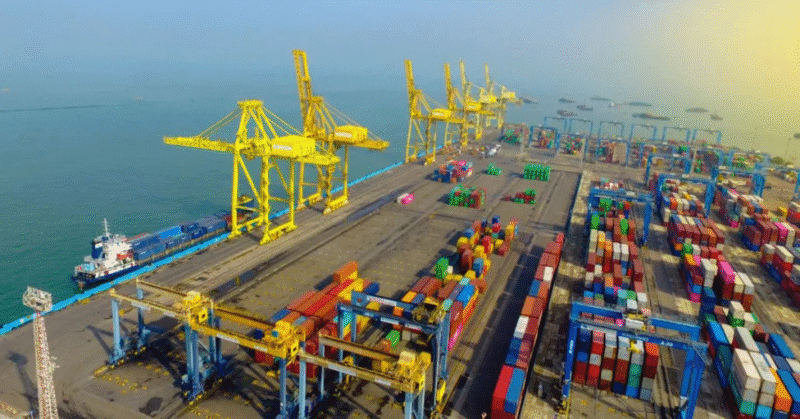
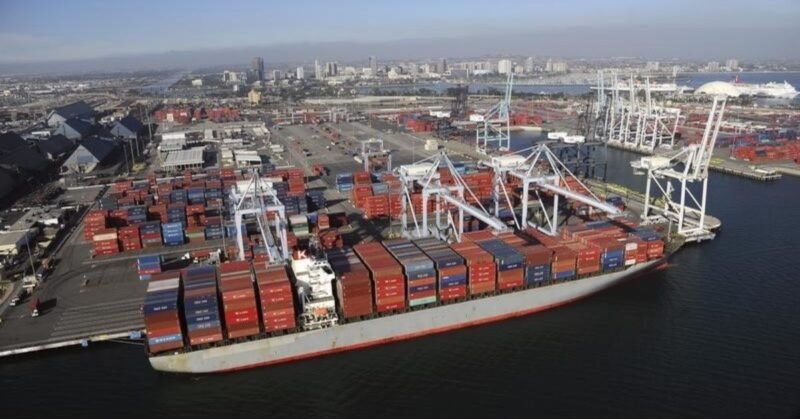
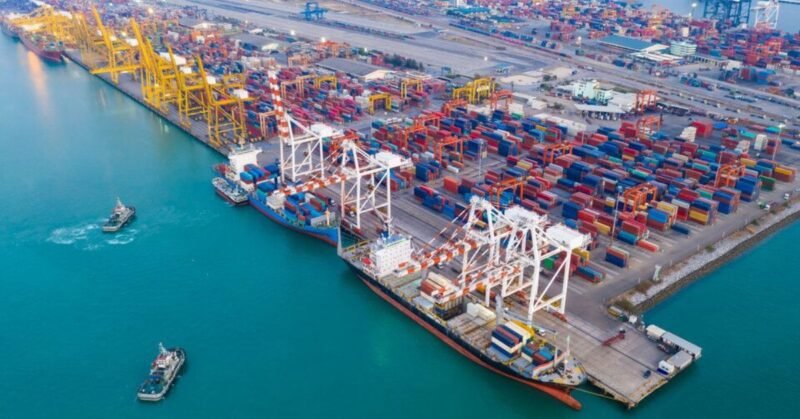
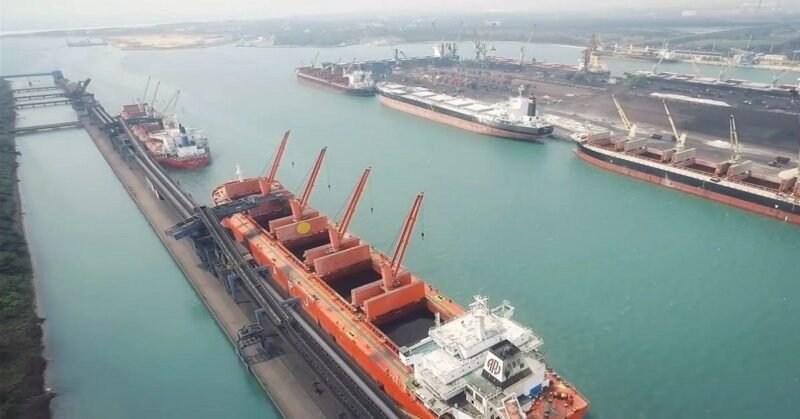
The Mumbai Port Authority has introduced its Integrated Port Master Plan 2047, which sets forth a comprehensive strategy to enhance capacity, modernize infrastructure, improve connectivity, and utilize underused land. This initiative aims to solidify the port’s significance as a vital national gateway. Chairman M Angamuthu emphasized that the plan prepares the historic 150-year-old port to manage over 100 million tonnes per annum (MTPA) of cargo by focusing on liquid bulk, chemicals, break-bulk, steel, and multi-cargo operations, while also fostering urban development and maritime innovation.
CRISIL’s forecasts indicate that port traffic could surge from 68.3 MTPA to 106.2 MTPA by 2053, with liquid bulk expected to reach 56.5 MTPA. To manage this growth, the master plan proposes new berths for petroleum and chemicals, increased storage capacity, and the deepening of anchorages. A significant aspect of the strategy includes the development of Jawahar Dweep, where reclaimed land will host substantial crude and product storage, supported by a ₹2,700-crore investment.
Additionally, the plans encompass enhancing infrastructure at Pir Pau with a Fourth Chemical Berth and constructing an offshore trestle for better chemical evacuation. The project also prioritizes recreational and urban development, such as expanding cruise tourism and creating an International Sailing Centre. Furthermore, modernization efforts will incorporate advanced digital technologies and renewable energy solutions to ensure the port’s sustainability and preserve its heritage sites, reinforcing Mumbai Port’s role as a key economic hub.