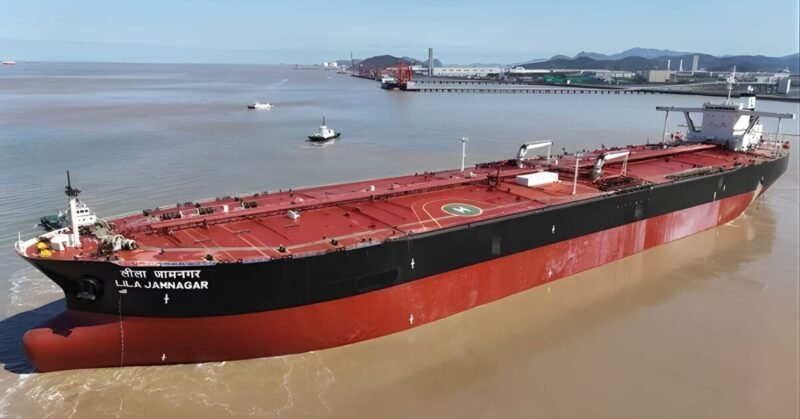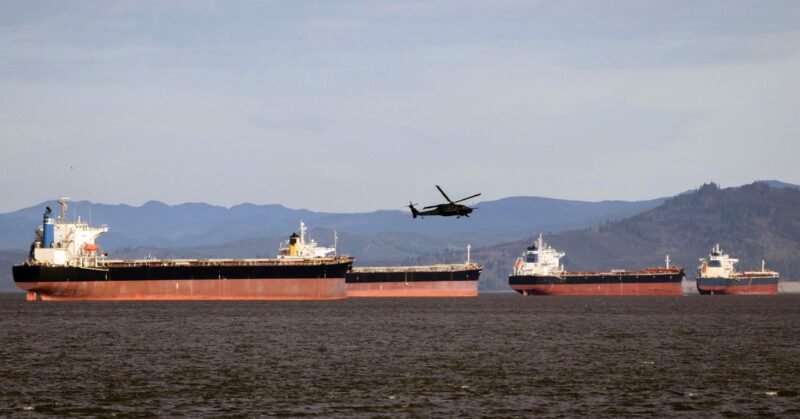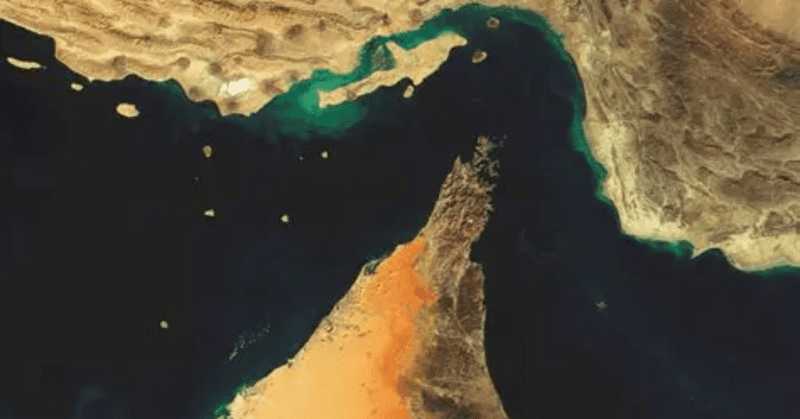
India’s maritime infrastructure has evolved from limited capacity to a key element of national strategy. Initially, post-Independence port development was slow, hampered by outdated systems and disjointed transport links, leading to a reliance on foreign transhipment hubs. However, in the past decade, the government has begun viewing ports as vital assets for economic growth, logistics efficiency, and national security, integrating them into a broader maritime ecosystem aligned with global trade routes.
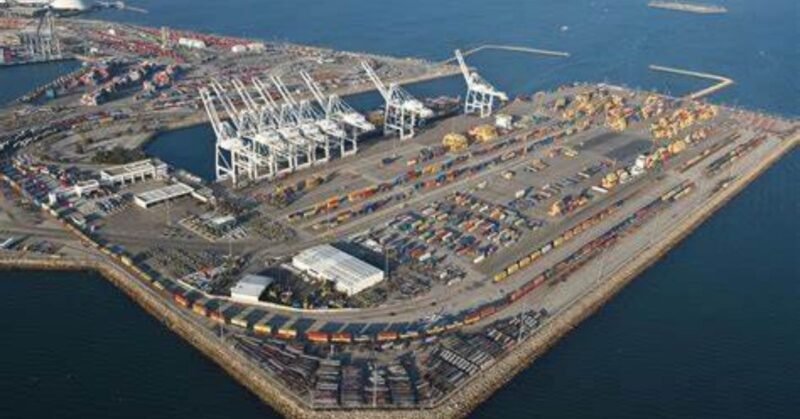
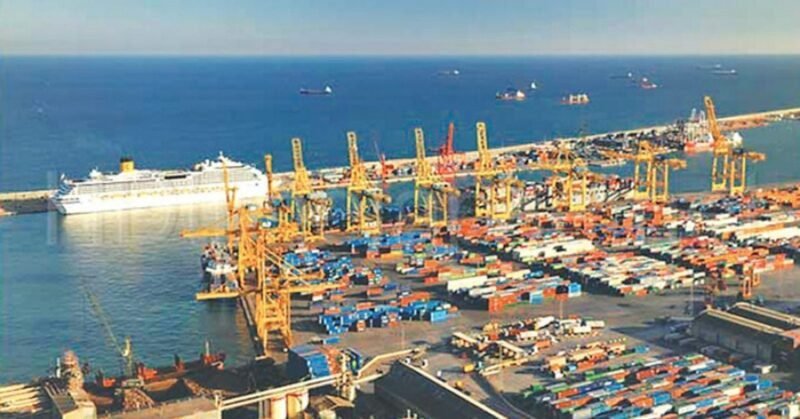
Today, India boasts 12 major ports and over 200 non-major ports, primarily along its eastern and western coasts. Notable facilities, such as the newly inaugurated Vizhinjam International Deepwater Multipurpose Seaport, aim to establish India as a self-reliant transhipment hub, lessening dependence on foreign ports for container handling. As cargo throughput surpasses 850 million tonnes annually, modernization initiatives are underway, focusing on mechanized handling and digital systems to support industrial expansion.
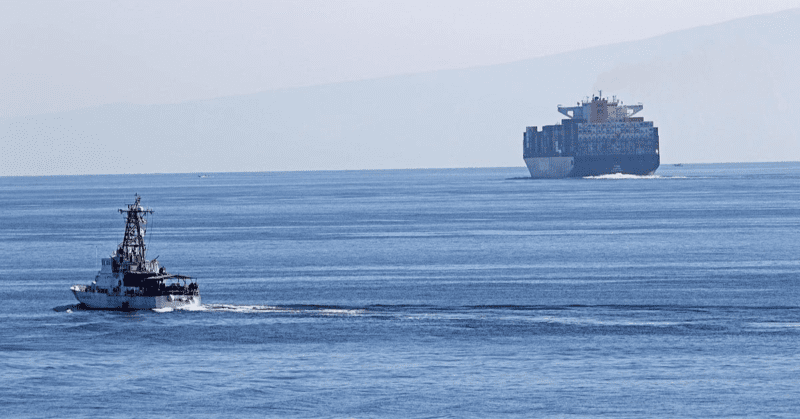
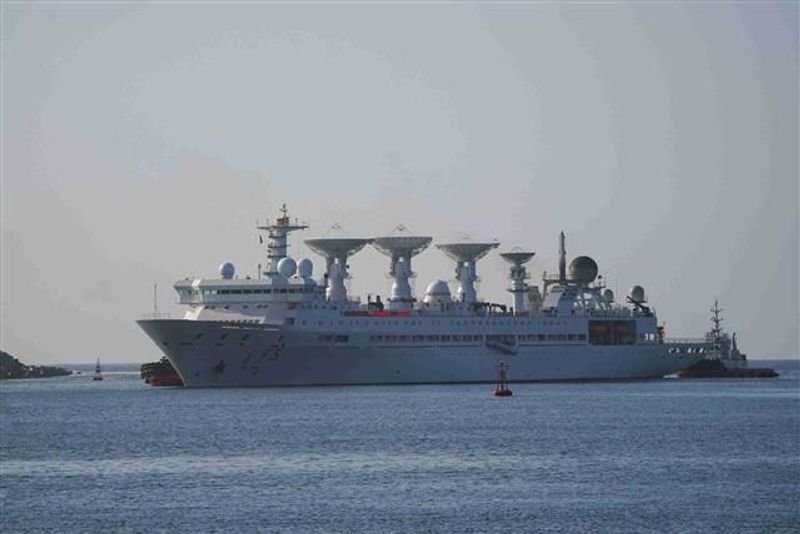
Furthermore, the strategic role of maritime infrastructure has expanded beyond commercial interests to include national security. Ports now facilitate logistics for both civilian and defense operations, fortifying naval capabilities with enhanced maintenance and rapid deployment logistics. This transformation not only streamlines trade but also bolsters India’s maritime security and preparedness throughout the Indian Ocean.
Share it now
Related posts:
 India and UAE Sign Strategic Agreements for Sustainable Maritime and Economic Growth
 Development Finance Institutions to Boost India’s Maritime Infrastructure
 Sustainable Ship Recycling Commitment in India to Protect Environment
 India Set to Launch Central Transport Authority to Boost Infrastructure Growth