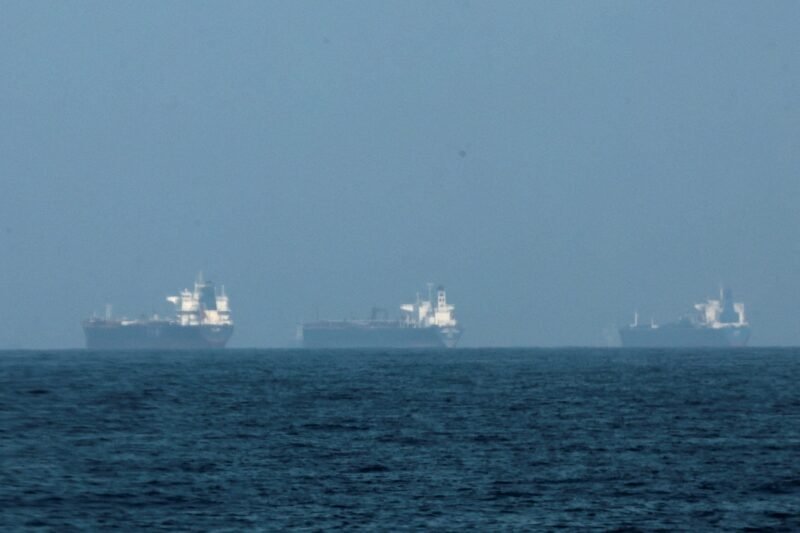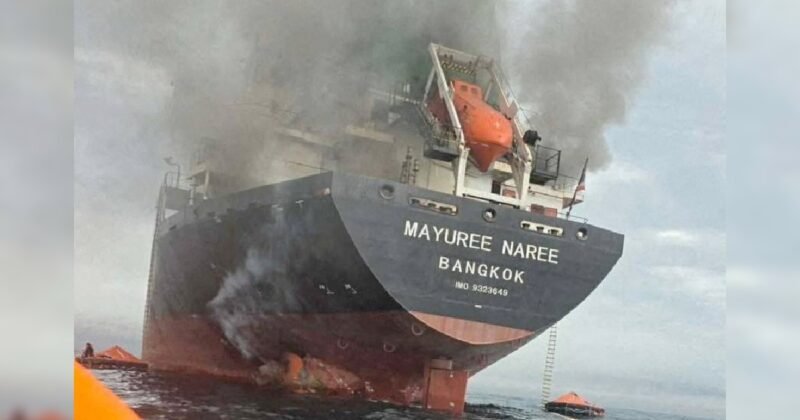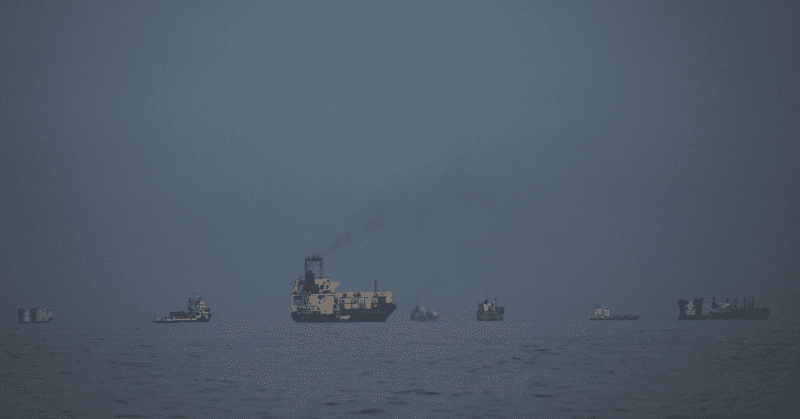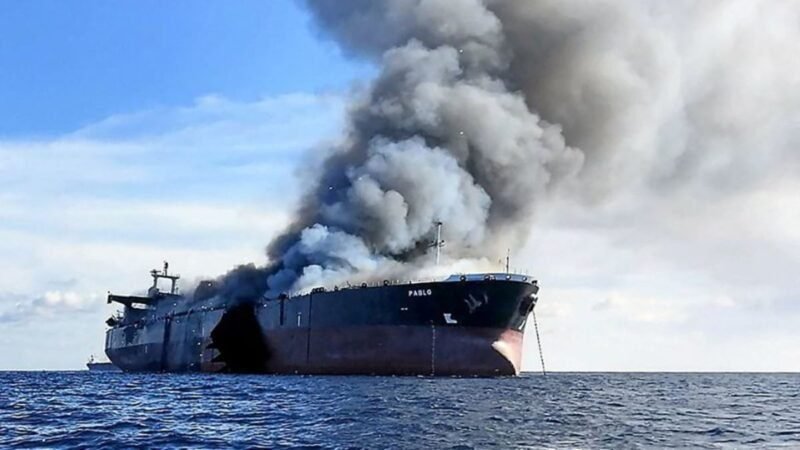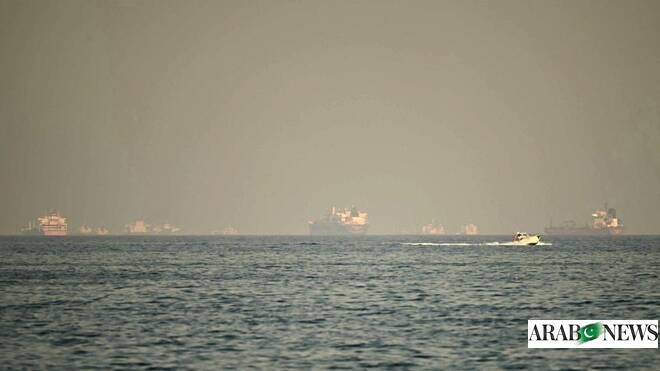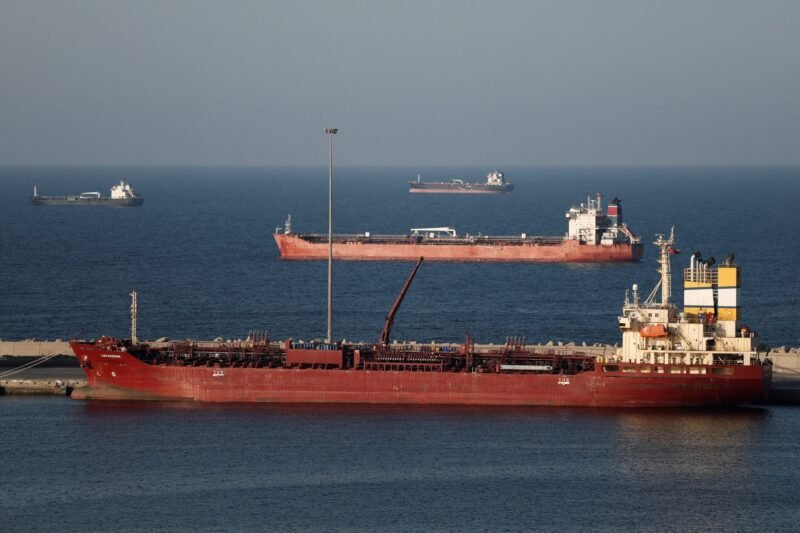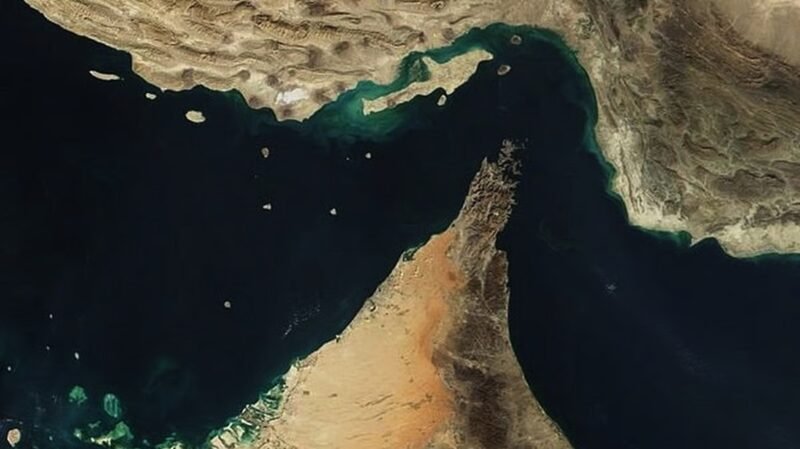
The International Maritime Organization (IMO) has raised alarms about a worsening situation in the Strait of Hormuz, where approximately 2,000 vessels and 20,000 seafarers are currently stranded. This predicament underscores the significant challenges confronting the global shipping industry. IMO Secretary-General Arsenio Dominguez emphasized to Al Jazeera the immense stress faced by crews, who are dealing with fatigue and shortages of essential supplies as their ships remain immobilized in this vital waterway.
Dominguez expressed concern that the prolonged immobilization of these vessels is taking a toll on the mental, physical, and operational well-being of the crews. He also highlighted issues surrounding insurance coverage, noting that many companies have either canceled contracts or imposed steep premiums, leaving vessel operators in a precarious position. Although a full humanitarian crisis has been averted thus far due to international assistance, the overall situation remains delicate.
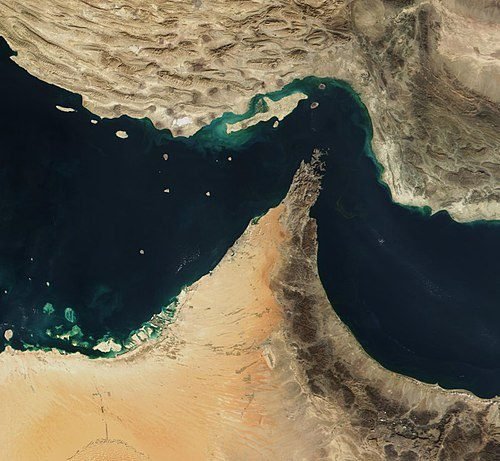
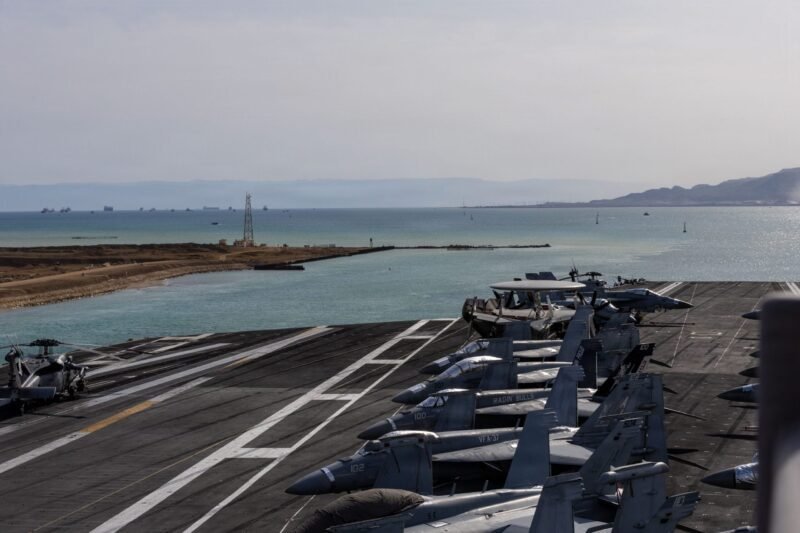
To mitigate the crisis, the IMO is advocating for the establishment of a humanitarian corridor to facilitate the safe passage of stranded vessels. Dominguez criticized the U.S. plan to escort ships through the strait, labeling it as “unsustainable” due to its inability to ensure the safety of merchant vessels and seafarers amid ongoing regional tensions. The Strait of Hormuz, a crucial chokepoint for nearly 20% of the world’s oil supply, has become a focal point of escalating geopolitical conflict, affecting shipping, trade, and the livelihoods of countless seafarers.
Related posts:
 Three Vessels Attacked in Strait of Hormuz Amid Rising Regional Tensions
 Multiple Ships Damaged and Three Seafarers Missing After Strait of Hormuz Incident
 Alternative-Fueled Vessels Orders Surge in Q1 2025 Despite Market Decline
 NexusWave Service Set for Expansion on 300+ Vessels via Pulsar International