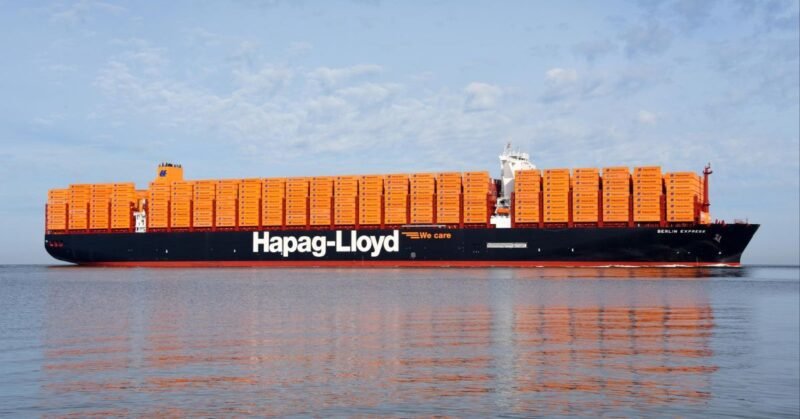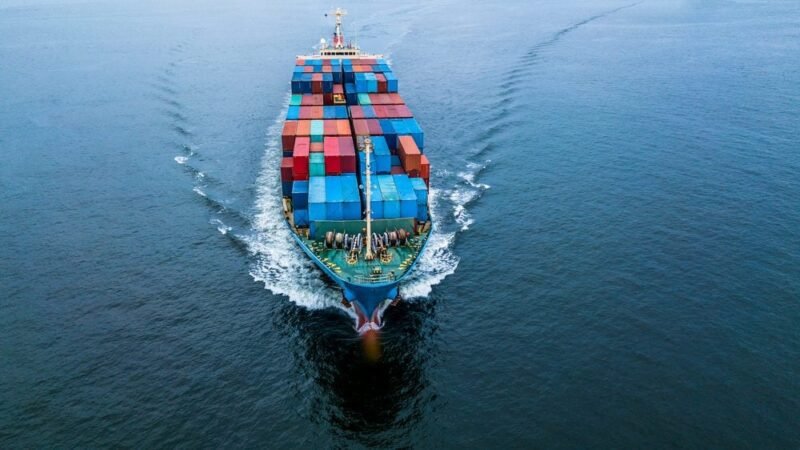
The initiative to reintroduce nuclear energy into commercial shipping is gaining traction. The American Bureau of Shipping (ABS) and South Korea’s HD Hyundai shipbuilding group have initiated a Joint Development Project (JDP) aimed at assessing nuclear-powered propulsion for large containerships. This collaboration will focus on designing a nuclear-powered electric propulsion system specifically for a 16,000-TEU containership, evaluating the technical feasibility of integrating nuclear energy into next-generation vessel architecture.
Matthew Mueller, Vice President of ABS, highlighted the importance of this project in exploring nuclear propulsion’s potential within the shipping industry. By combining HD Hyundai’s shipbuilding expertise with ABS’s engineering knowledge in maritime safety, the project aims to evaluate technologies that promise safer and more efficient operations with reduced emissions. The agreement outlines that HD Hyundai will work on developing vessel designs, electrical specifications, and system plans tailored for nuclear applications.
As interest in carbon-free propulsion technologies rises, shipowners are increasingly pressured to meet global decarbonization goals. HD Hyundai’s efforts reflect this shift, asserting their commitment to advancing electric propulsion systems utilizing nuclear energy. The joint project is part of a larger trend in the maritime sector, which includes various initiatives exploring small modular reactors and other advanced designs for propulsion and offshore power generation.
Despite the promising prospects, significant challenges remain before nuclear-powered commercial ships can become a reality. Regulatory hurdles, port policies, insurance, crew training, and public acceptance are critical issues that must be addressed. For the time being, projects like the collaboration between ABS and HD Hyundai remain in the conceptual phase but highlight a renewed interest in nuclear energy as a viable solution for the shipping industry’s decarbonization challenges.
Share it now