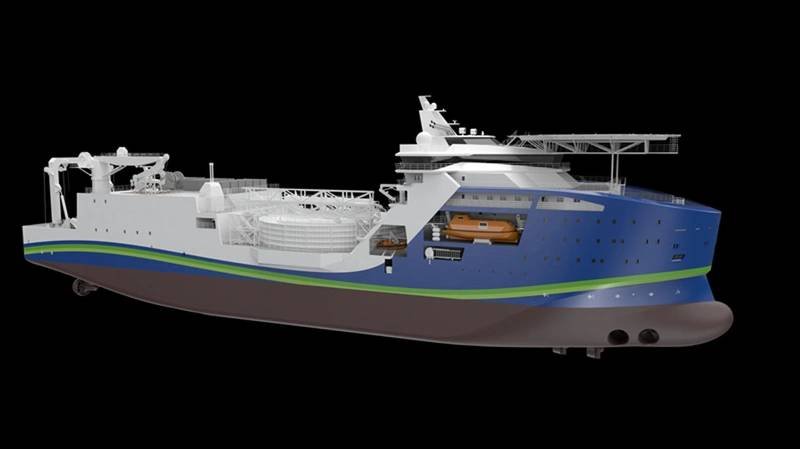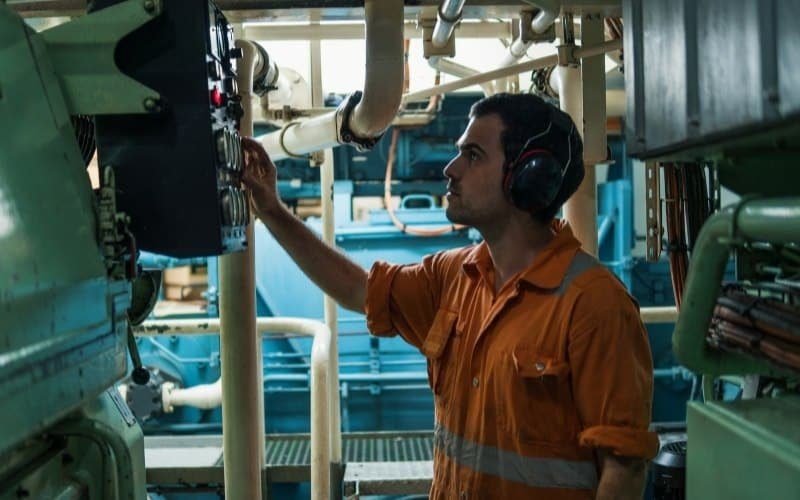
Timo Alho’s doctoral dissertation from the University of Vaasa, Finland, presents an innovative power management strategy aimed at preventing ship blackouts. This approach allows a vessel’s electrical equipment to support the ship’s grid independently, enhancing fault tolerance compared to traditional methods.
The maritime industry’s shift toward modern direct current (DC) networks has outpaced the development of effective control strategies. Historically, shipboard power management has relied on a centralized system that continuously calculates available power. However, this system can be slow and inflexible, often failing to react swiftly to generator failures, which can lead to overloads and blackouts.
Alho’s strategy challenges this conventional approach by distributing intelligence across the system. Instead of a singular control mechanism, a central system merely sets operational boundaries, allowing devices like propulsion systems and battery inverters to autonomously monitor and respond to grid conditions. When a generator fails, devices react within milliseconds to adjust power levels or draw from batteries, ensuring stability without needing active commands.
This new method results in a safer, simpler, and more adaptable power management system, facilitating easier integration of new equipment without complex programming. Its implementation relies primarily on a shift in design philosophy, leveraging existing standard technologies.
Share it now
Related posts:
 Startup Innovates Affordable Green Methanol Production for Maritime Industry
 Columbia Group and Insight to Advanced IT Solutions for Maritime Industry
 Philippines and Japan Launch Advanced Dynamic Positioning Training Center to Meet Offshore Industry Demand
 Advanced Battery Swapping System to Boost Zero-Emission Inland Shipping in the Netherlands