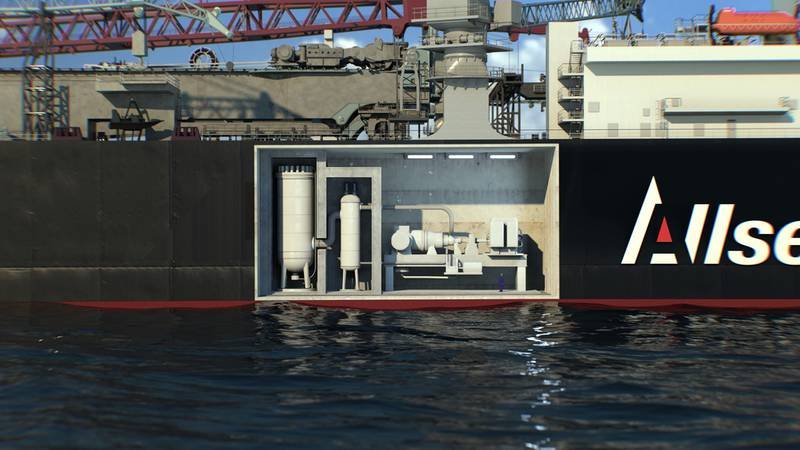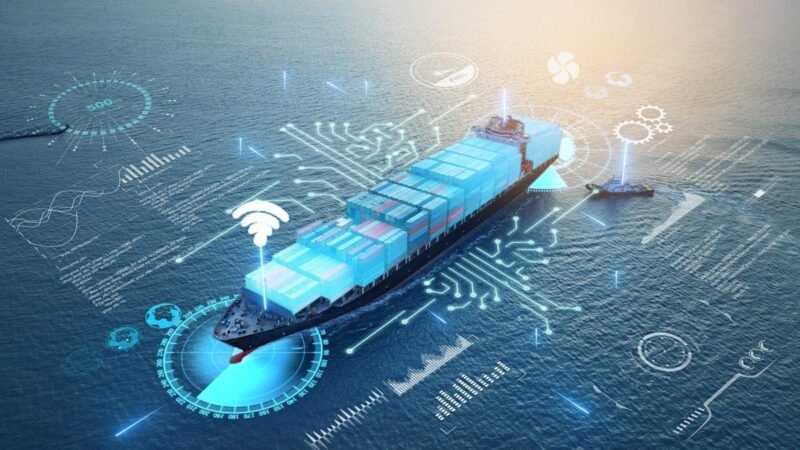
For many years, the maritime industry adhered to a “treat and release” approach, discharging wastewater into the ocean as long as it met basic MARPOL Annex IV standards. However, with tightening environmental regulations and the expansion of “Special Areas,” the industry is shifting towards the concept of a Zero-Discharge Vessel. This transformation is powered by the integration of Artificial Intelligence (AI) and the Internet of Things (IoT), which enhance traditional Sewage Treatment Plants (STPs) into adaptive systems that can respond to varying biological loads aboard ships.
Traditional sewage treatment methods often operate under static conditions, leading to inefficiencies when biological loads fluctuate. For instance, during peak times, conventional systems may underdose chemicals, resulting in non-compliant discharge, while during low-load periods, they might over-dose, wasting resources and harming beneficial bacteria. This rigid approach is increasingly at odds with the expectations of environmentally conscious shipowners.
The introduction of IoT creates a data-rich environment, where sensors monitor critical parameters in real-time, allowing for continuous adjustments. AI plays a crucial role by interpreting this data, optimizing the treatment process, and ensuring compliance. This synergy enables a self-correcting mechanism that manages the plant’s operations, reducing chemical usage and mechanical wear, while enhancing crew efficiency.
Looking ahead, as the International Maritime Organization sets more ambitious targets, the Zero-Discharge Vessel will become a standard in the industry. The ongoing advancements in AI and IoT are transforming sewage treatment from a necessary burden into an advanced, autonomous system, paving the way for cleaner oceans and a more sustainable maritime future.
Share it now
Related posts:
 HD Hyundai Receives Certification for Autonomous Containership Operations
 Lloyd’s Register Partners with Microsoft to Use AI for Nuclear Power Regulation in Maritime Industry
 South Korea Launches Training Center for Maritime Professionals to Enhance Skills in AI and Green Technologies
 UK’s Maritime Solent Seeks New Chair to Transform Region’s Maritime Sector