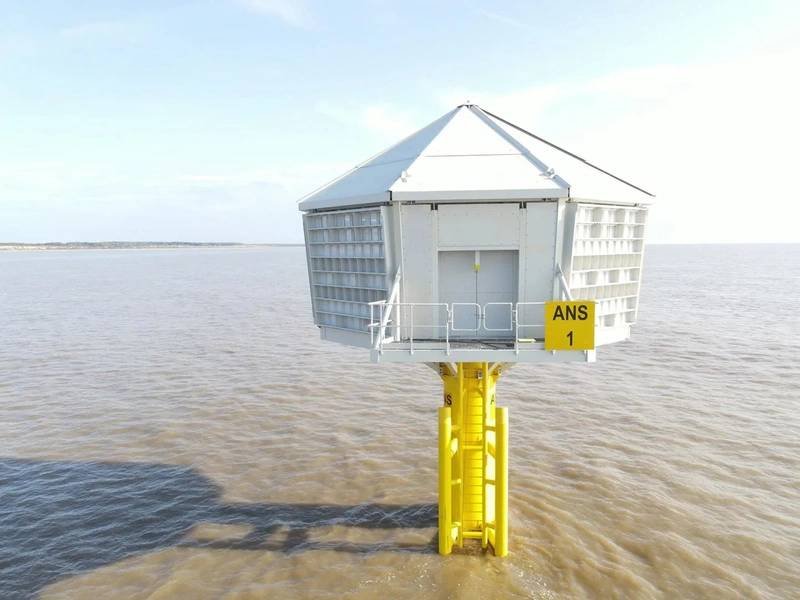
As offshore wind energy grows to meet climate goals, balancing infrastructure needs with biodiversity protection is crucial. A notable initiative is the UK’s first nearshore artificial nesting structures, aimed at safeguarding seabirds while facilitating the development of the Hornsea 3 wind farm, the world’s largest offshore project. This project addresses the urgent need to protect the black-legged kittiwake, a seabird facing extinction due to habitat loss.
To support these nesting structures, each anchored by a monopile, Ørsted collaborated with Red7Marine and Fugro to enhance installation efficiency. Utilizing Fugro’s Starfix® and InclinoCam® technologies allowed for accurate monopile placement with minimal disruption. Starfix® provided real-time positioning data, ensuring stability and alignment, while InclinoCam offered live feedback on verticality during installation, improving safety and reducing the need for manual adjustments.
The three artificial nesting structures are expected to protect up to 1,500 kittiwakes, providing secure breeding spaces and offsetting potential impacts from wind farm development. This project exemplifies how renewable energy can coexist with biodiversity, emphasizing the importance of integrating conservation into engineering processes. As the offshore wind sector expands, innovative, nature-positive solutions will be essential for balancing energy needs with ecological preservation.