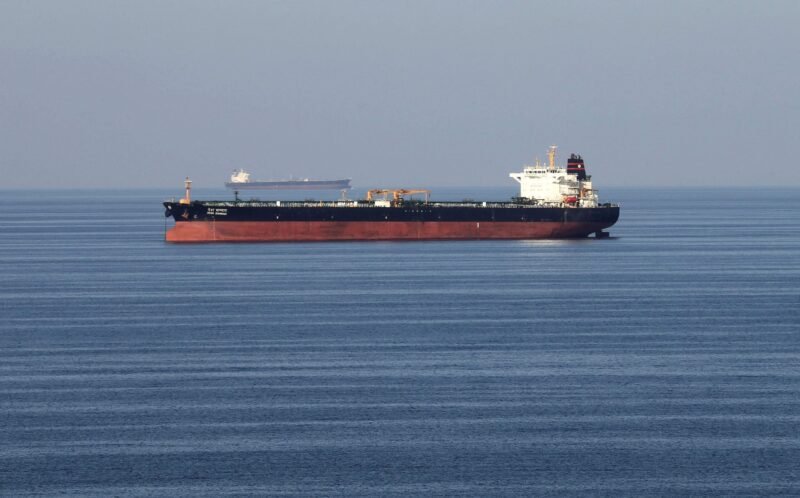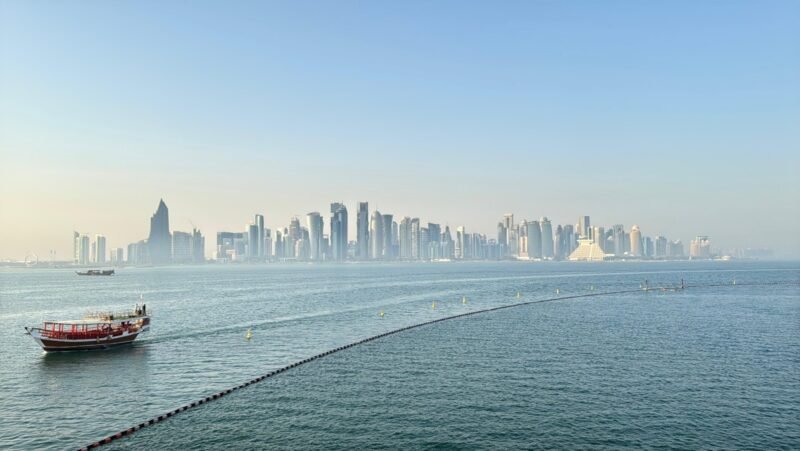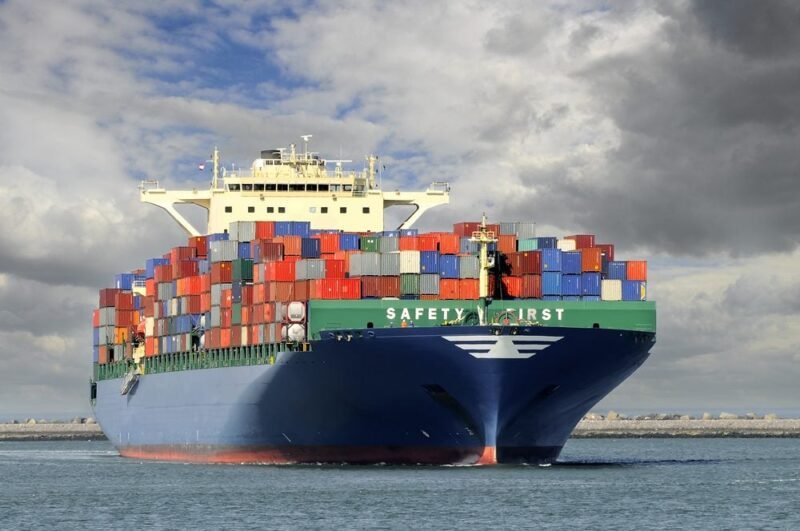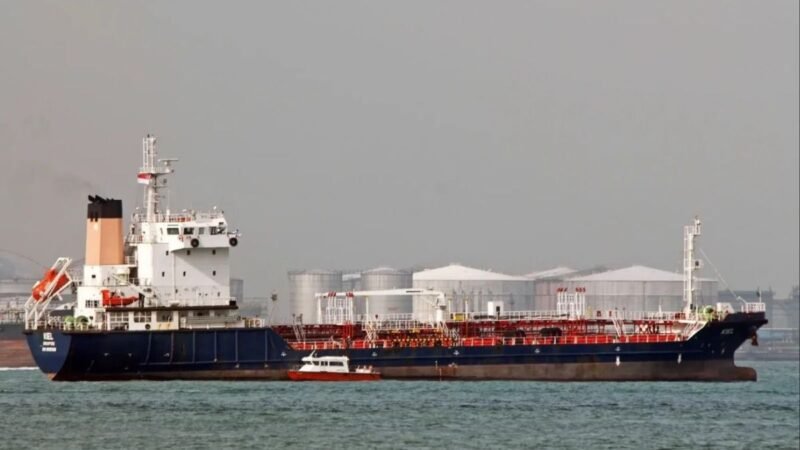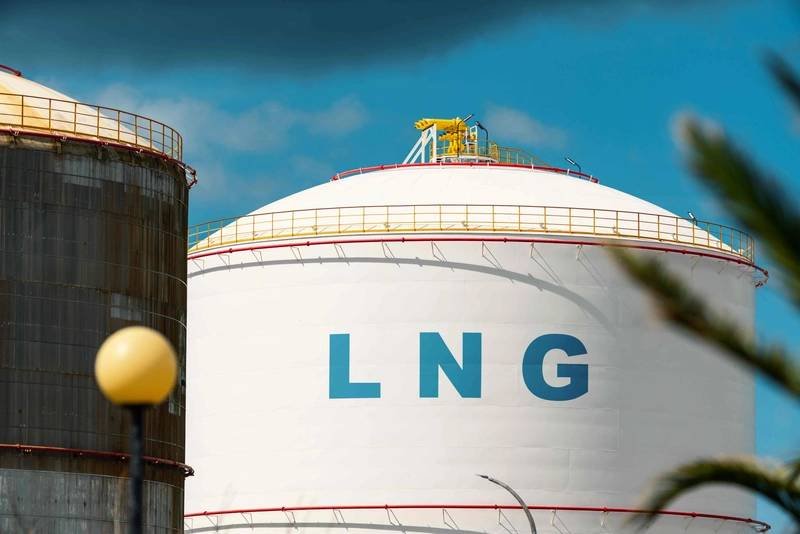
U.S. and Australian companies, major players in global liquefied natural gas (LNG) production, are facing challenges in compensating for lost supply following Qatar’s suspension of production amid rising Middle Eastern tensions. Qatar, which contributes approximately 20% of the world’s LNG, has declared force majeure due to threats in the Strait of Hormuz, hindering tanker shipments. Current U.S. production is operating near maximum capacity with most output secured under long-term contracts, leaving a significant supply gap.
Venture Global, the second-largest U.S. LNG producer, has some flexibility to address the immediate shortage by selling spot market cargoes from its Louisiana plant, which is currently being commissioned. Although it could potentially increase output with pending DOE approvals, the volume would still fall short of meeting Qatar’s lost capacity.
Meanwhile, new projects like the Golden Pass LNG venture between QatarEnergy and Exxon Mobil are set to commence production but may not directly alleviate Qatar’s supply issues. Other major producers, such as Cheniere Energy, are also watching the situation while adhering to existing contracts. With global LNG consumption dominated by long-term agreements, the ability to adapt quickly remains limited.
In summary, with Qatar’s significant contribution disrupted, the industry’s response is hampered by existing commitments and operational constraints. U.S. and Australian producers are maximized in capacity, with little room for adjustments to fulfill the increased demand stemming from Qatar’s halt in shipments.
Share it now
Related posts:
 New Guide for Maritime Administrations to Enhance Maritime Awareness
 Qatar Launches Maritime Training and Simulation Centre at UDST to Boost Industry Skills
 SvaNext-Generation Ultra Large Ethane Carriers Secures Supply of Advanced Pumps
 Global Maritime Innovation Center Launched by Industry and Academia