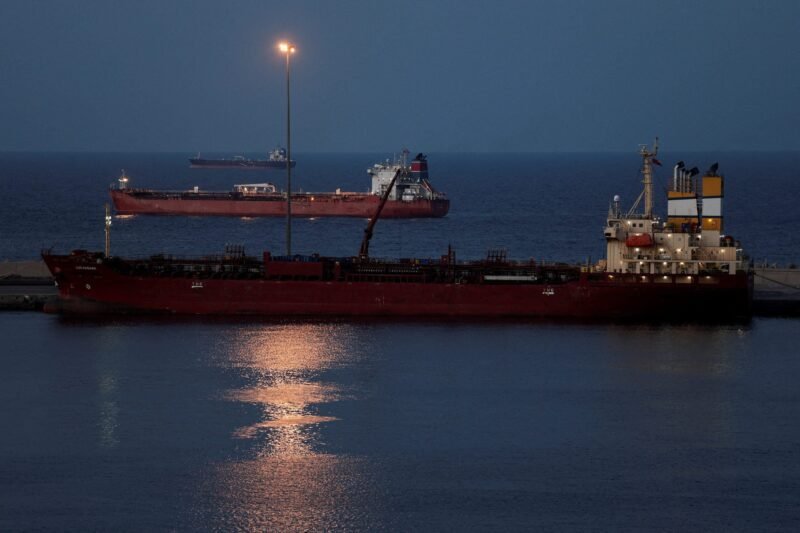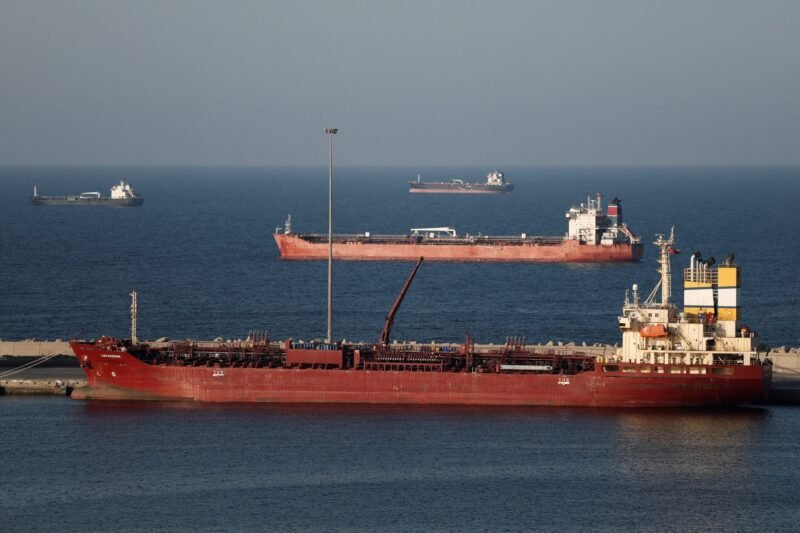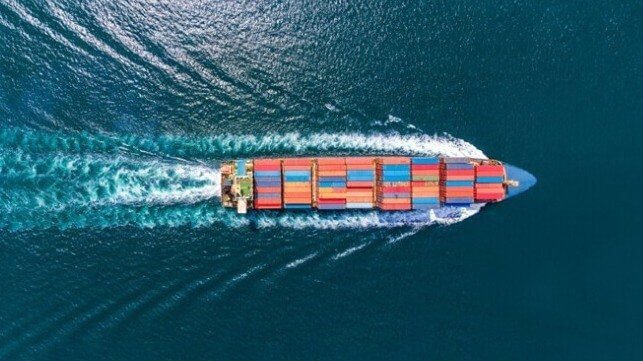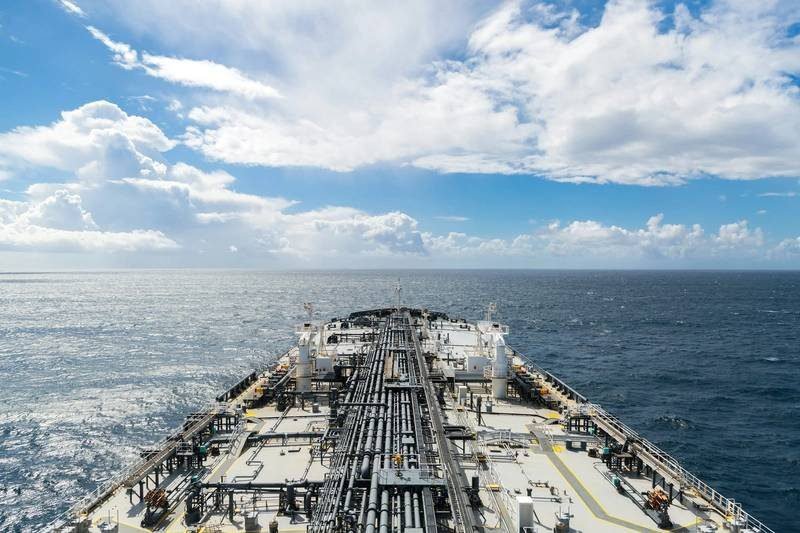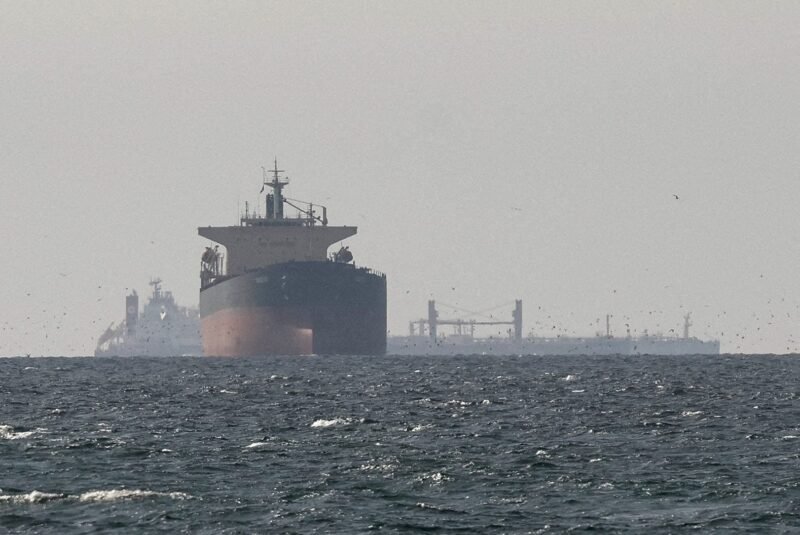
Amidst the U.S.-Israeli conflict with Iran, several Greek shipowners have opted to navigate the perilous Strait of Hormuz, a decision fraught with risks from mines, missiles, and drones. This choice is motivated by the soaring crude oil prices and elevated tanker rates resulting from the ongoing war, which has significantly restricted a substantial portion of the global oil and liquefied natural gas supply.
U.S. President Donald Trump has encouraged shipping companies to brave the strait, urging them to “show some guts.” Despite this, the U.S. military has refrained from providing protective escorts due to the heightened risk of attacks. Some shipowners have disregarded these dangers, with at least ten Greek-operated vessels and two Chinese ships sailing through the strait since the escalation of hostilities on February 28.
Industry sources indicate that, while the risks are considerable, the financial rewards can be lucrative, with tanker owners earning up to $500,000 daily for charters. However, shipping experts and unions, including the International Transport Workers’ Federation, have raised alarms about the hazardous conditions, likening the situation to navigating a live war zone. Concerns are growing over tactics employed by shipowners, such as disabling tracking systems, which complicates the safety and transparency of these operations as they traverse the volatile waters of the Strait of Hormuz.
Share it now