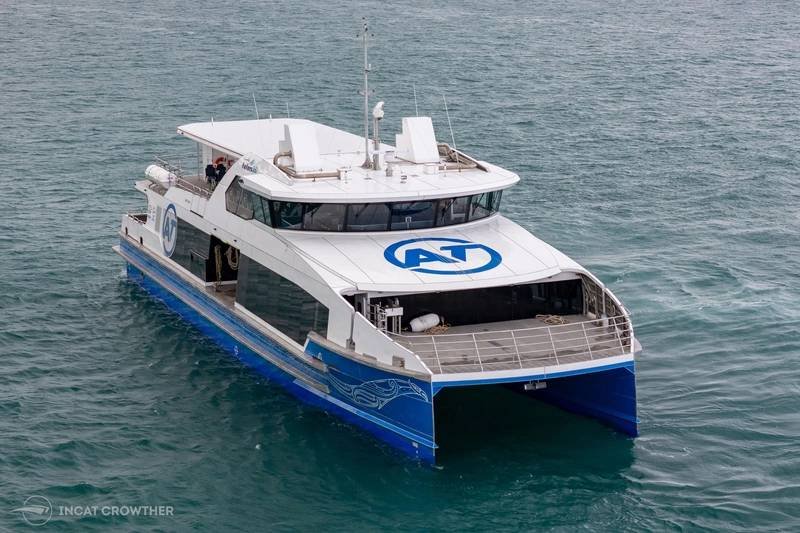
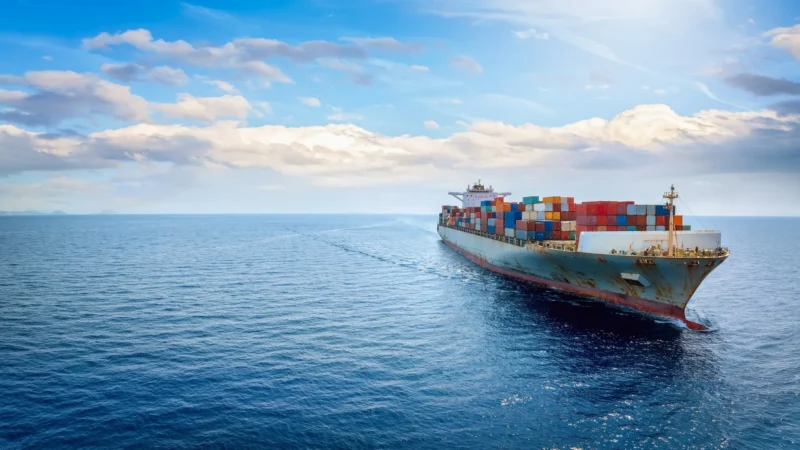
The push for maritime electrification is gaining momentum as shipowners explore propulsion options that comply with stricter emissions regulations while maintaining operational efficiency. Recent analyses highlight battery systems as a feasible solution for the shipping industry’s near-term decarbonization efforts, particularly with the rise of hybrid powertrains in both coastal and deep-sea fleets. According to the latest ABS Sustainability Outlook 2025, hybrid marine battery systems are transitioning from niche applications to essential technologies that enhance fuel efficiency and enable lower-carbon voyages.
While most current installations are hybrid due to limitations in energy density and global charging infrastructure, the report suggests that full battery-electric operations could become feasible for longer distances as technology advances. Future developments, such as modular battery-swapping and enhanced shoreside charging, could facilitate the integration of batteries as foundational elements of next-generation propulsion systems. This shift is also influencing vessel design across various operational contexts, with battery-electric propulsion becoming integral for offshore support vessels and cargo ships.
ABS emphasizes that electrification is one of the most rapidly deployable decarbonization strategies available. Despite ongoing concerns about battery chemistry and lifecycle economics, hybrid and fully electric systems are already achieving significant emissions reductions. In hybrid modes, battery systems help stabilize load fluctuations and optimize engine performance, leading to lower fuel consumption and extended maintenance intervals. The environmental benefits, including reduced noise and particulate emissions, further enhance the appeal of battery systems, especially for operations in urban coastal areas.
The report indicates that the growth of maritime battery adoption is a clear trend, evolving from experimental applications to vital components in vessel design. Since 2011, the installed capacity of batteries on deep-sea vessels has steadily increased, signaling a structural shift in the industry. With advancements in battery management and safety engineering, the maritime sector is now viewing electrification as a critical pathway to meet both operational and environmental goals.
Share it now
Related posts:
 Japanese Consortium Developing Emissions-Free Containership with Battery Swapping Technology
 Partnership to Drive Maritime Decarbonization with Innovative Fuel Solutions
 Partnership to Boost Maritime Innovation and Decarbonization in Singapore
 Singapore and France Collaborate for Maritime Digitalization and Efficiency