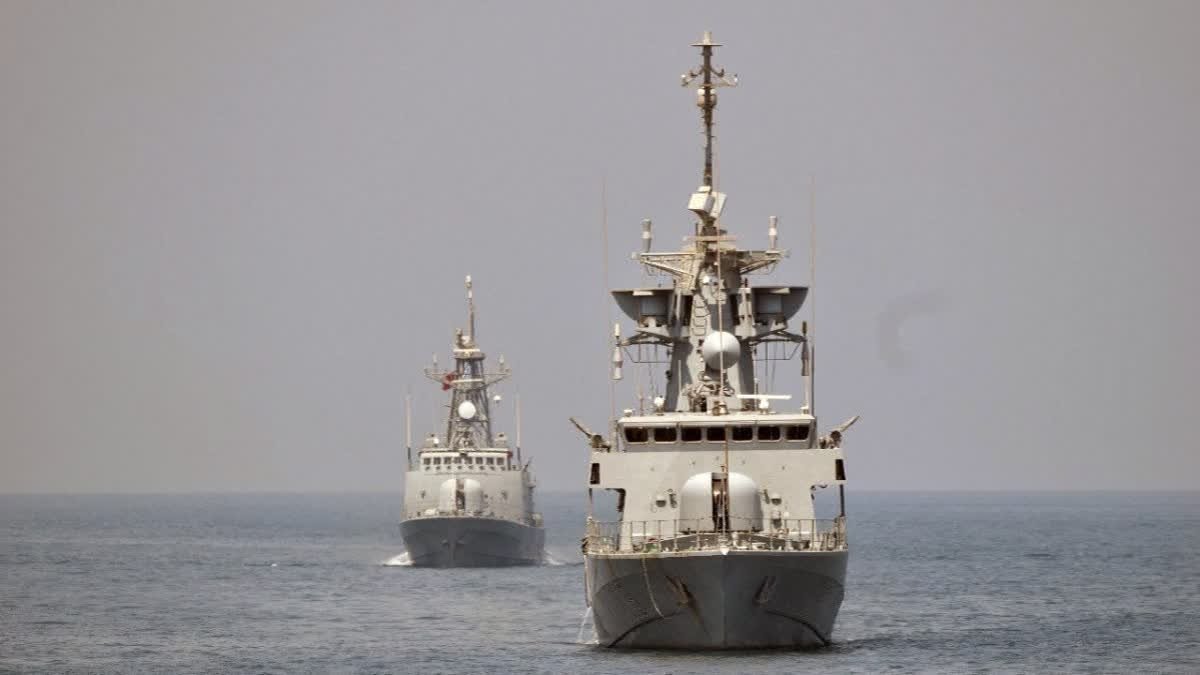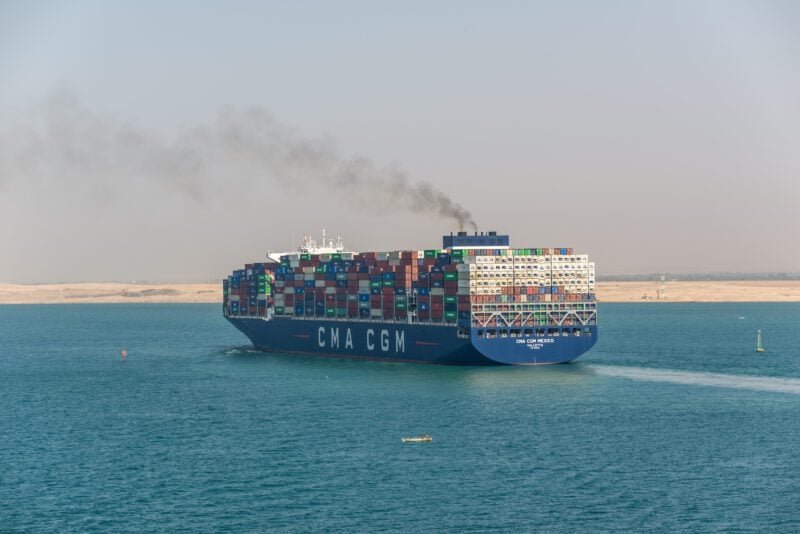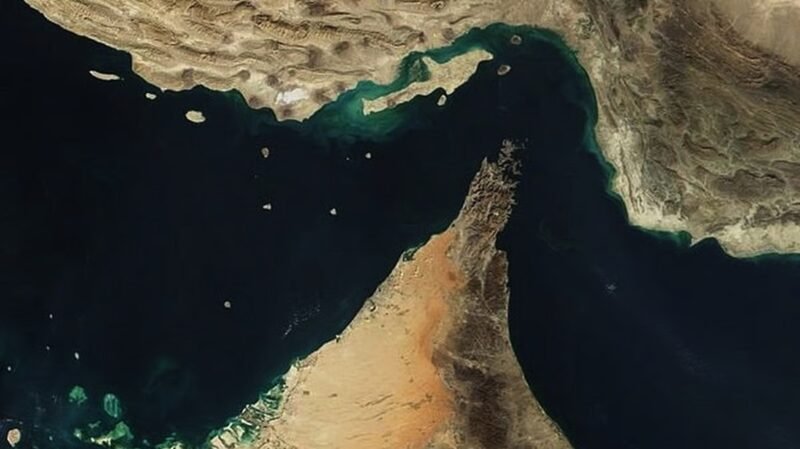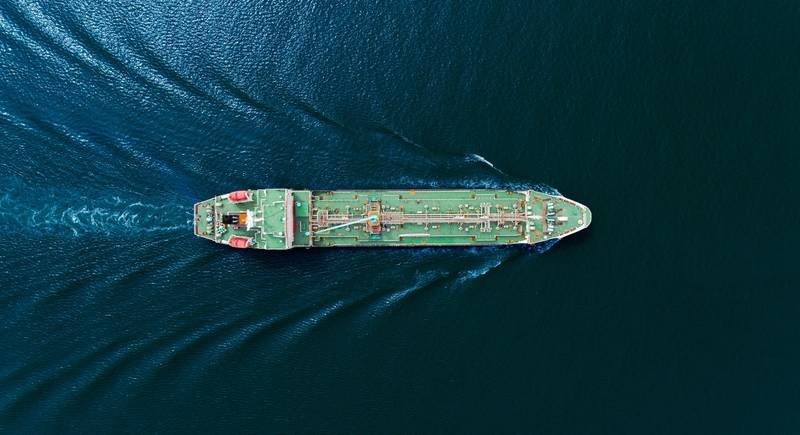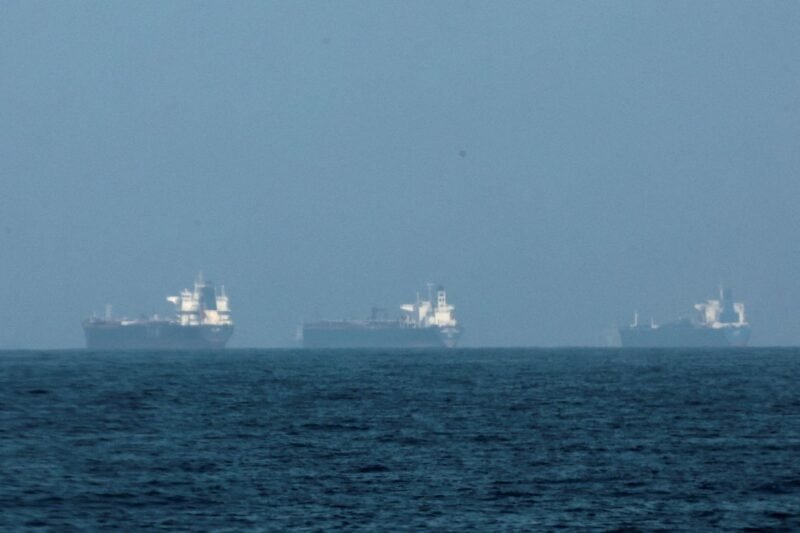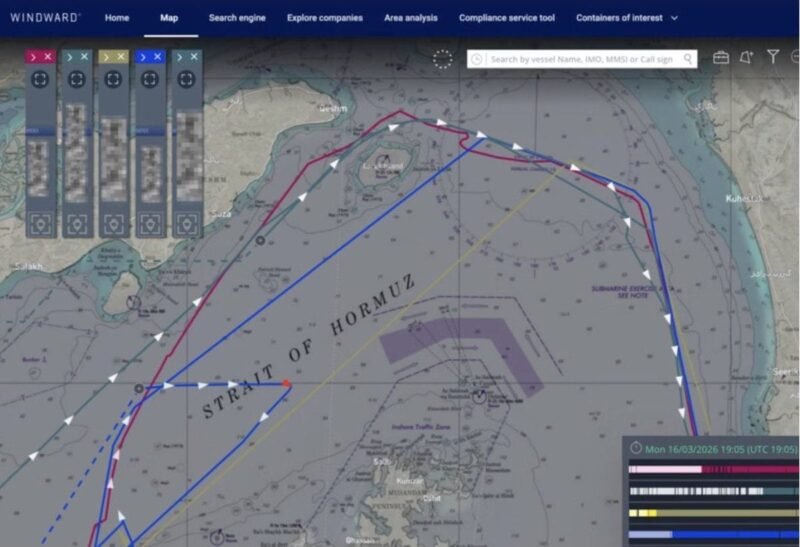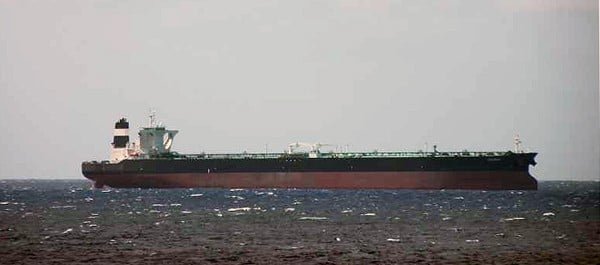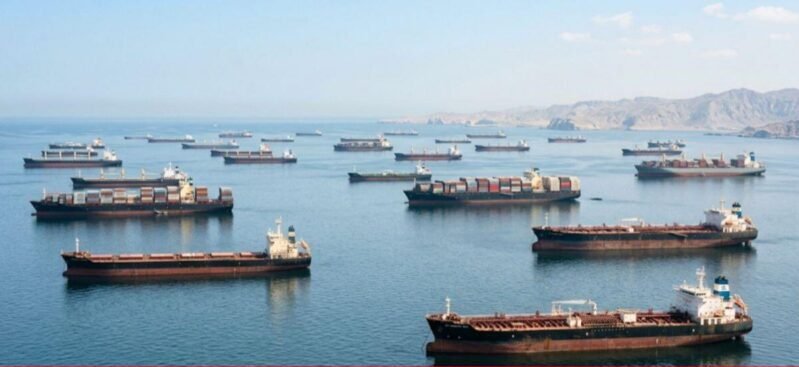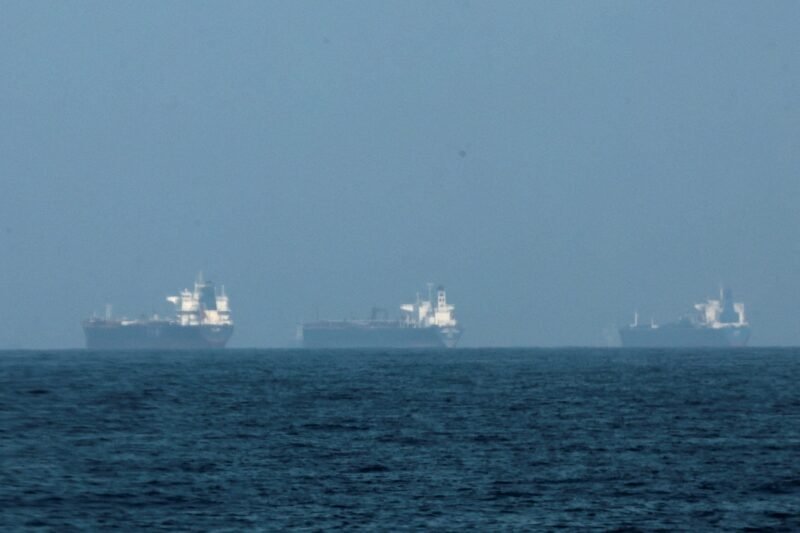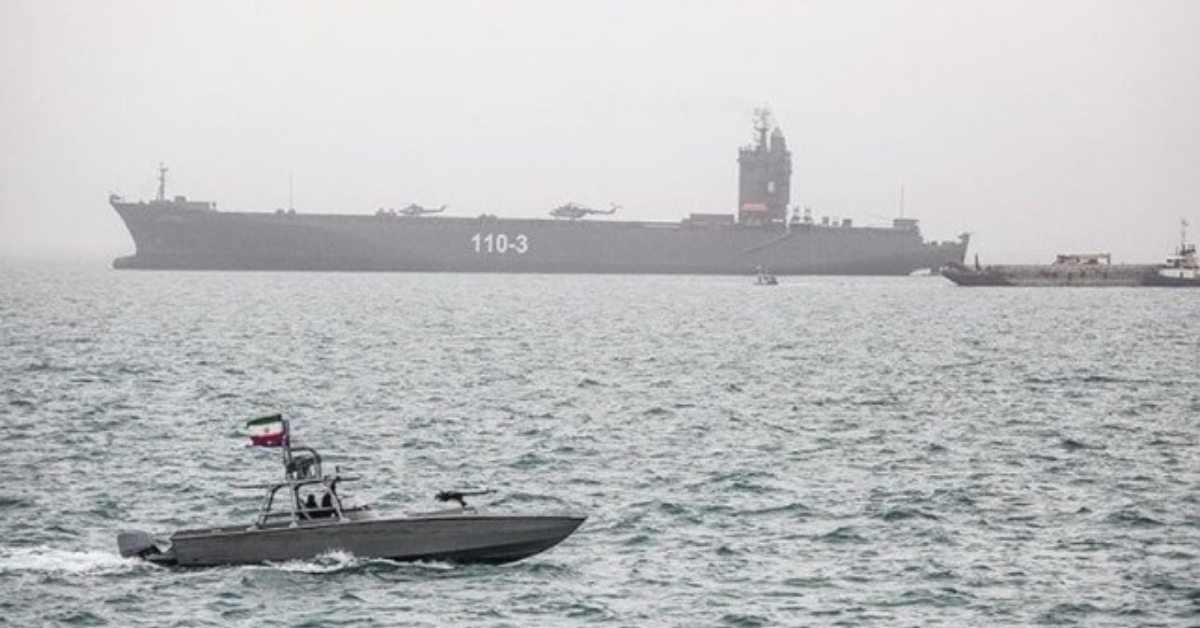
The Strait of Hormuz crisis has reached a diplomatically intricate stage as Iran asserts sovereignty over the strait in its ceasefire demands. The IRGC has instituted a $2 million transit fee per vessel, payable in Chinese yuan, exacerbating the confusion for nearly 2,000 vessels trapped at this vital maritime chokepoint.
Iran’s new leader, Mojtaba Khamenei, emphasized the need to leverage the Hormuz waterway, indicating that a ceasefire may not restore normal shipping access. The Iranian parliament has approved a plan for tolls and security measures, estimating potential revenues of $600-800 million monthly, akin to Egypt’s Suez Canal earnings prior to the crisis.
Currently, at least 26 vessels are navigating the new IRGC toll system, which mandates detailed submissions for transit approval. The IRGC has effectively turned the international waterway into a pay-to-pass checkpoint, with limited international responses beyond diplomatic protests.
Adding to the complexity, President Trump acknowledged Iran’s ceasefire request but conditioned U.S. military operations on keeping Hormuz “open, free, and clear.” Meanwhile, industry analysts warn that disruptions will linger even if a ceasefire is reached, with significant delays in global supply chains expected as vessels await clearance at Gulf ports.
Share it now