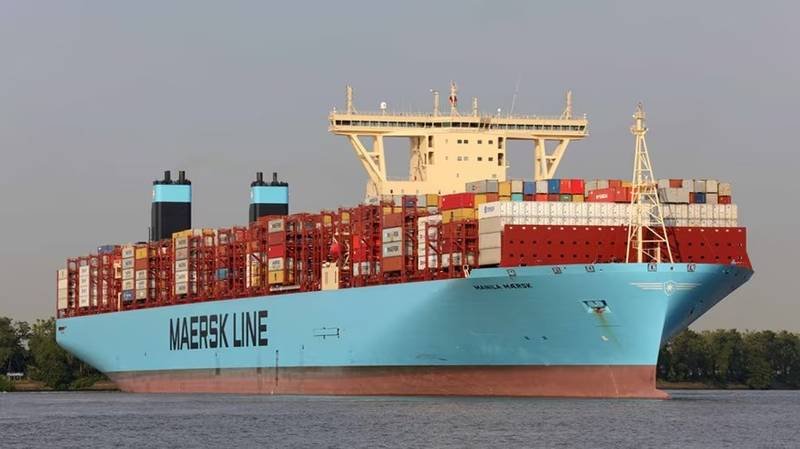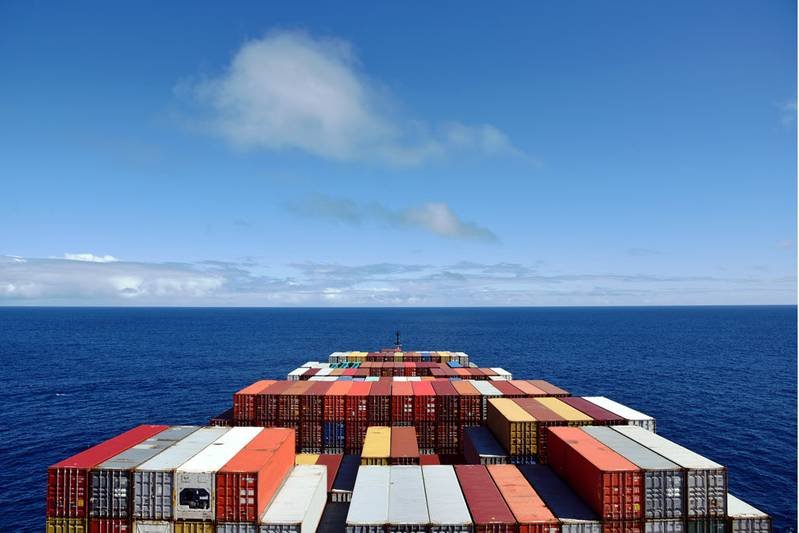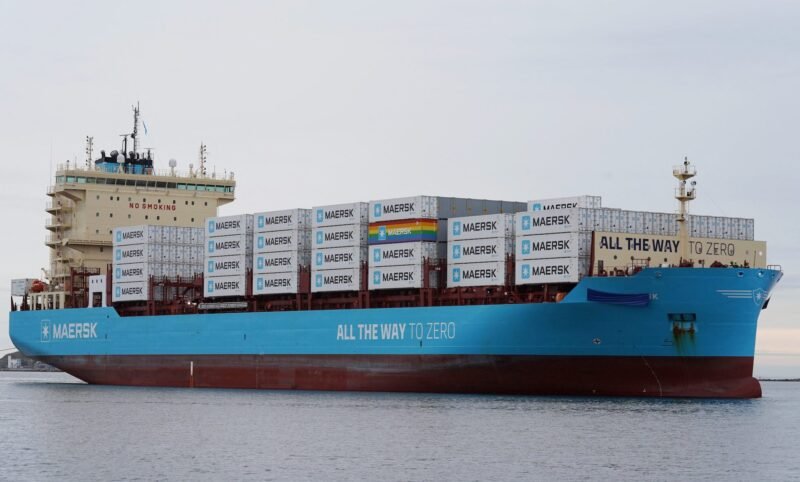
Danish shipping leader Maersk is broadening its range of low-emission fuel options by experimenting with ethanol as an alternative to methanol in its dual-fuel fleet. Trials are currently taking place on the innovative container vessel Laura Mærsk. Following a successful initial trial that used a 10% ethanol and 90% e-methanol mixture, the company announced plans to test a 50/50 ethanol-methanol blend, validating the feasibility of integrating ethanol without affecting engine performance.
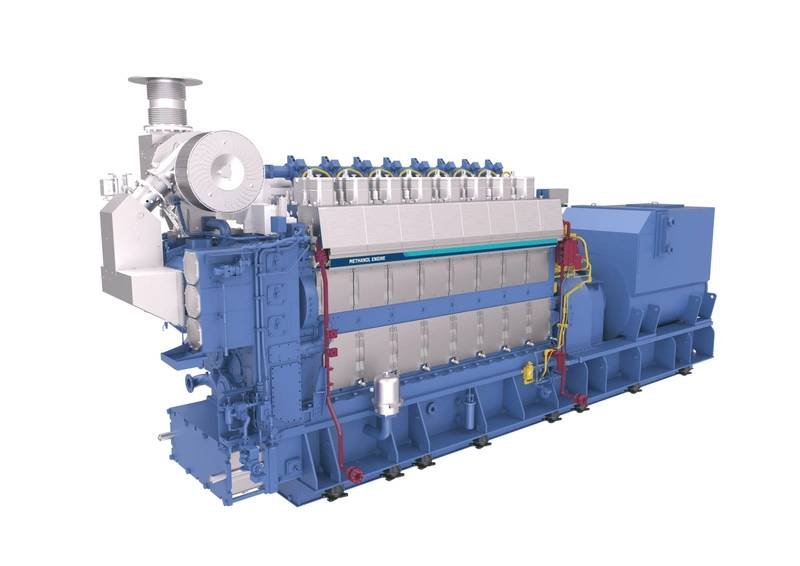
Emma Mazhari, Head of Energy Markets at Maersk, emphasized the importance of exploring diverse fuel pathways to help the shipping industry achieve its climate targets. The trials not only aim to diversify fuel sources for Maersk’s growing fleet but also leverage the similarities between ethanol and methanol, allowing for minimal modifications to the vessel’s engines. The initial E10 blend test proved satisfactory, prompting plans for further tests, including one using 100% ethanol.
The ethanol tested is anhydrous ethanol, commonly blended into gasoline, predominantly produced from biomass, such as corn and sugar cane, with the U.S. and Brazil being the top producers. Maersk maintains strict sustainability criteria in evaluating ethanol’s role in its fuel mix, conducting thorough assessments of lifecycle emissions and sourcing practices to prevent negative environmental impacts.
These trials are part of Maersk’s overarching goal to achieve net-zero greenhouse gas emissions by 2040. The company aims to operate 19 dual-fuel vessels by 2025 and has 24 additional methanol-powered vessels on order. The push towards sustainable fuels presents a significant opportunity for the shipping industry to scale up alternatives to conventional marine fuels, with Maersk’s initiatives reflecting a concerted effort to meet modern climate challenges effectively.
Share it now