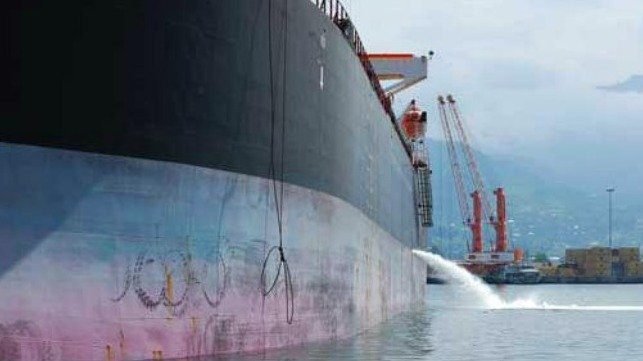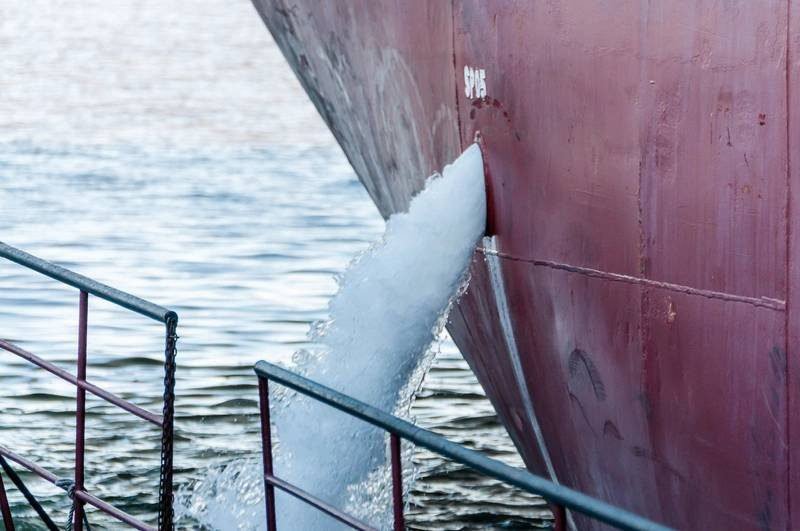
Last year’s Concentrated Inspection Campaign (CIC) on ballast water management revealed a shift in compliance failures, now focusing on the performance, operation, and maintenance of ballast water treatment systems. Charlène Ceresola, BWT Project Manager at BIO-UV Group, noted that while documentation issues persist, the most critical non-compliances are technical. Specifically, 46% of detainable deficiencies relate to ballast water systems, followed by crew training (21%) and Ballast Water Management Plans (15%).
The Paris Memorandum of Understanding highlighted frequent deficiencies in record-keeping, crew training, system familiarity, and missing certificates. Ceresola emphasized that while the data does not indicate widespread system failure, poor maintenance often leads to detentions. Ship managers must prioritize system upkeep to avoid costly issues, as neglect can escalate quickly, especially when spare parts for legacy systems are hard to find.
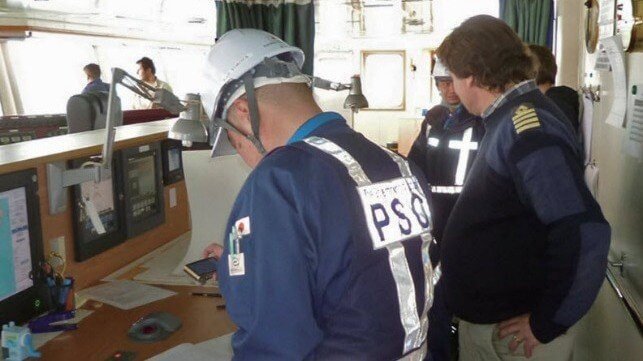
Training and familiarization in ballast water management remain inconsistent across the industry. Although the International Maritime Organization is working to integrate this into standard education, the responsibility currently lies with ship management. Proper training and ongoing support from manufacturers are essential to maintain compliance and avoid PSC detentions.
Related posts:
 Coordinated Inspection Campaign to Safeguard Seafarers’ Rights and Welfare in Maritime Industry
 Qatar Launches Maritime Vessel Inspection Campaign to Enhance Safety Compliance
 New Safety Guidelines for Inspecting Methanol Dual-Fuel Vessels
 Swedish Authorities Inspect Russian Freighter in National Waters