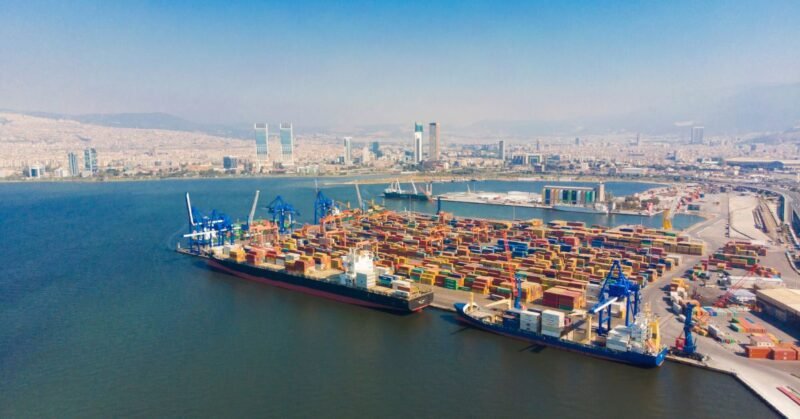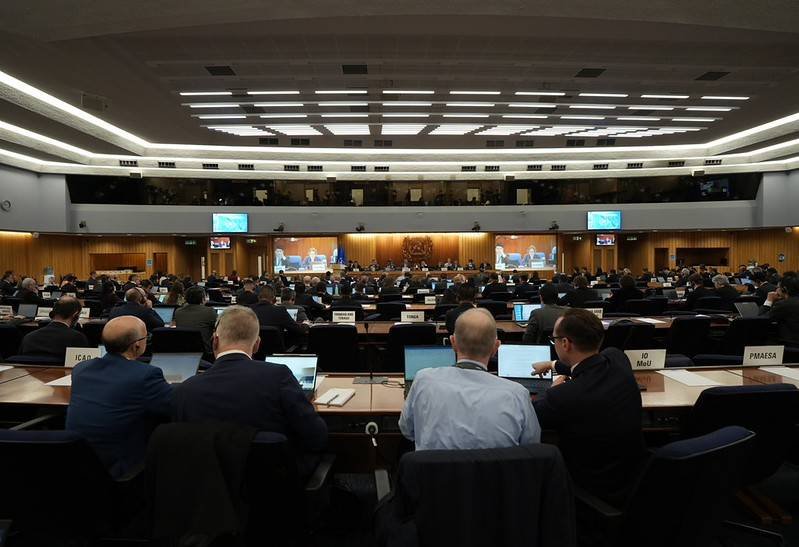
The International Maritime Organization (IMO) recently shared that the Sub-Committee on Ship Design and Construction (SDC) has developed a draft workplan to establish safety regulations for vessels that use innovative technologies and alternative fuels. This initiative aims to address the need to reduce greenhouse gas emissions in maritime operations. The plan will be presented to the Maritime Safety Committee (MSC 111) for approval in May 2026.
The workplan focuses on updating existing safety standards and introducing new ones, particularly for technologies such as nuclear power, wind-assisted propulsion, and swappable lithium-ion battery containers tailored for marine use. During the recent SDC session in London, IMO Secretary-General Arsenio Dominguez highlighted the plan’s significance, noting it ensures safety protocols evolve with rapid technological advancements aimed at lowering emissions.
If approved, the workplan outlines key milestones including: amendments to SOLAS regulation II-1/41 in 2028 to permit batteries as primary power sources; interim safety guidelines for wind-powered vessels in 2029; and a revised Nuclear Code along with SOLAS chapter VIII amendments by 2030. The SDC has also formed a Correspondence Group to analyze data on nuclear energy and wind technology, with a report on their findings expected in 2027.
Related posts:
 ClassNK Grants First Accreditation for Ammonia Machinery Room Safety on New Gas Carrier
 Autonomous Navigation Assistance System gets Approval
 Innovative LNG Carrier Design with Enhanced Ballast Tank Flexibility Approved
 New Electronic Current Limiter Launched to Enhance Marine DC Protection and Battery Safety