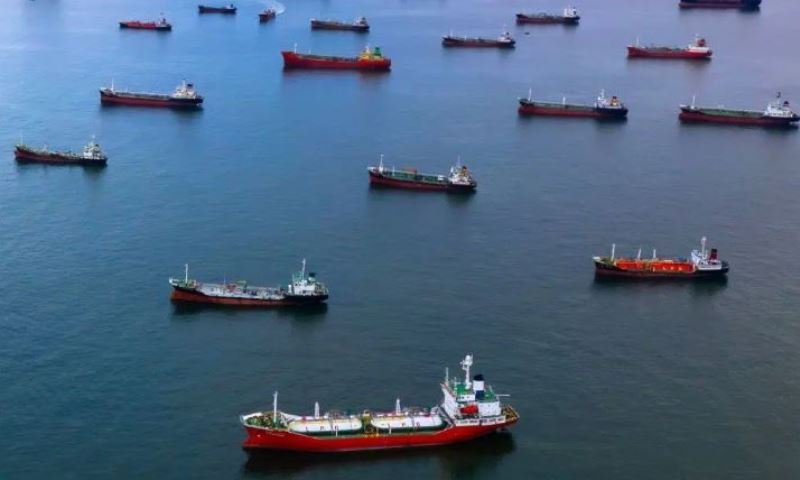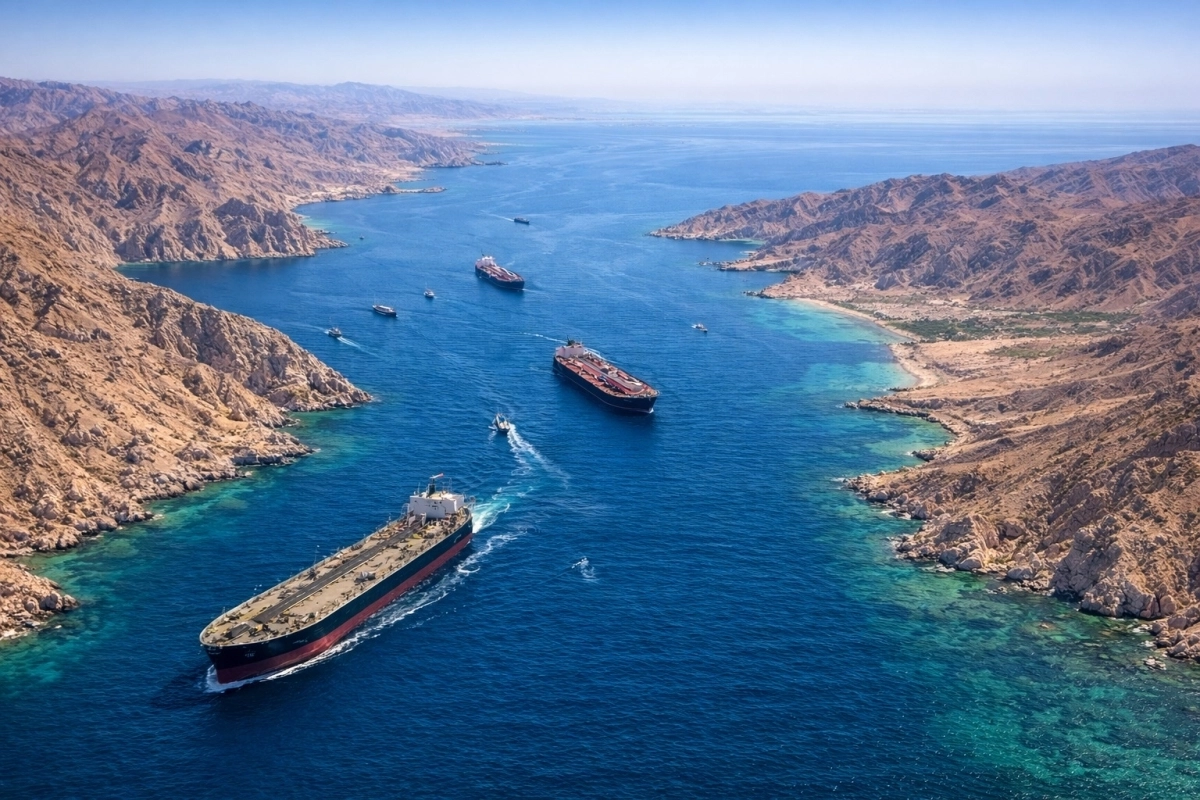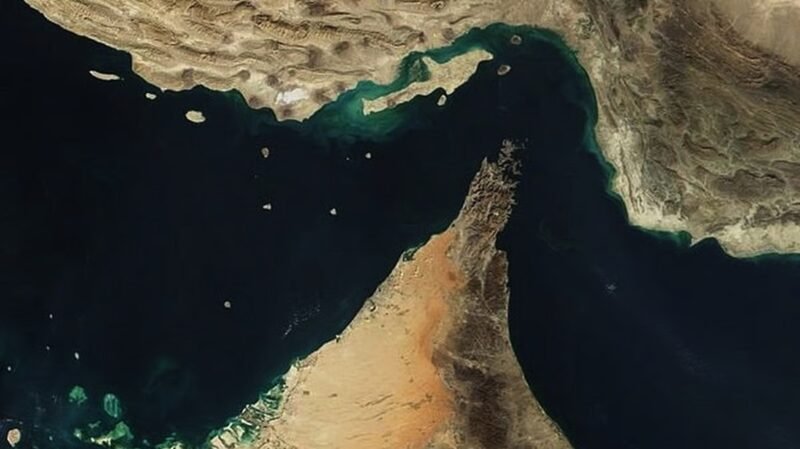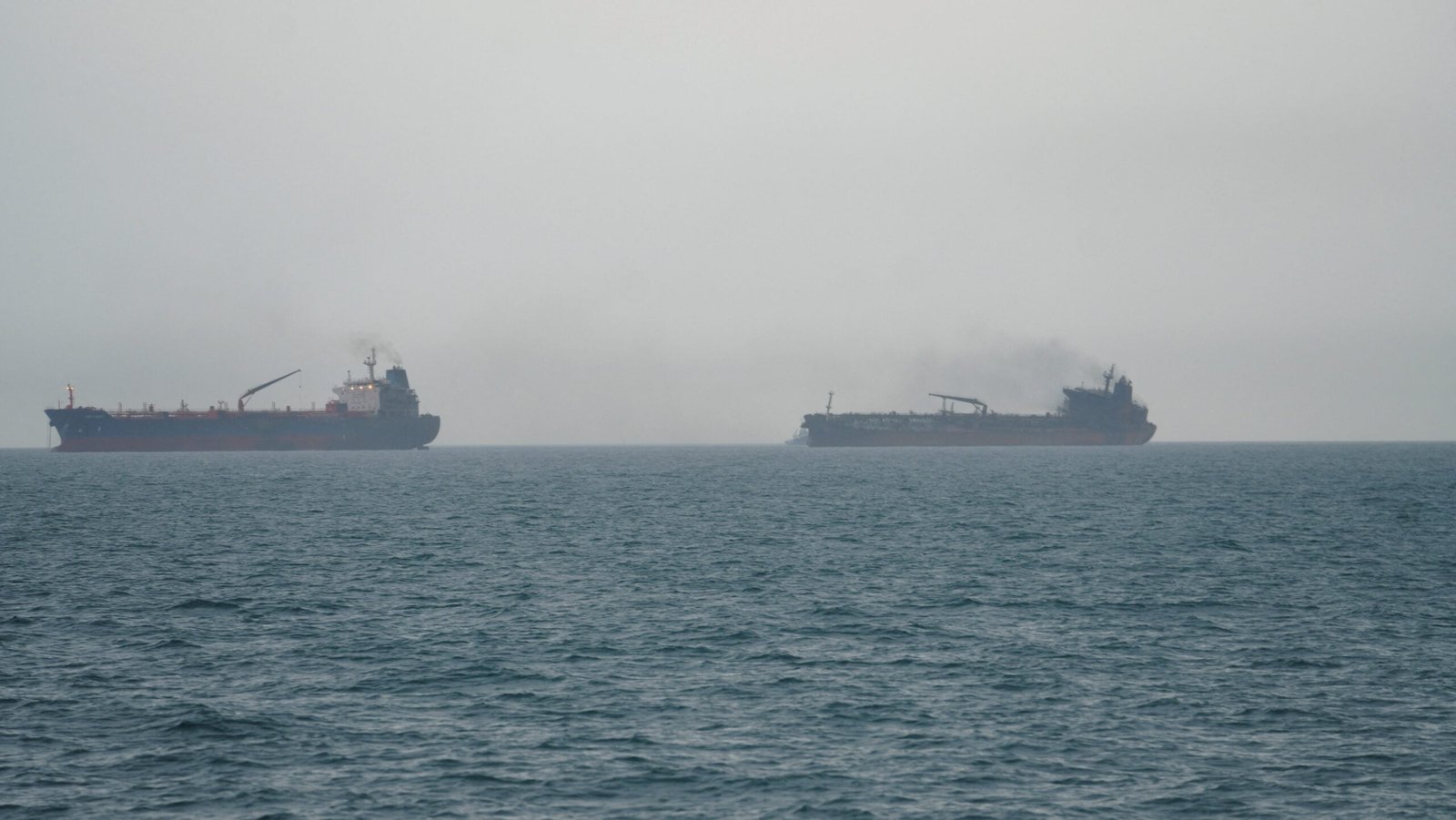
The Trump administration maintains that the Strait of Hormuz remains open after a recent ceasefire, yet early shipping data reflects limited vessel movement and absent energy shipments. Shipowners are currently hesitant, awaiting clarity on transit protocols amidst concerns over maritime safety.
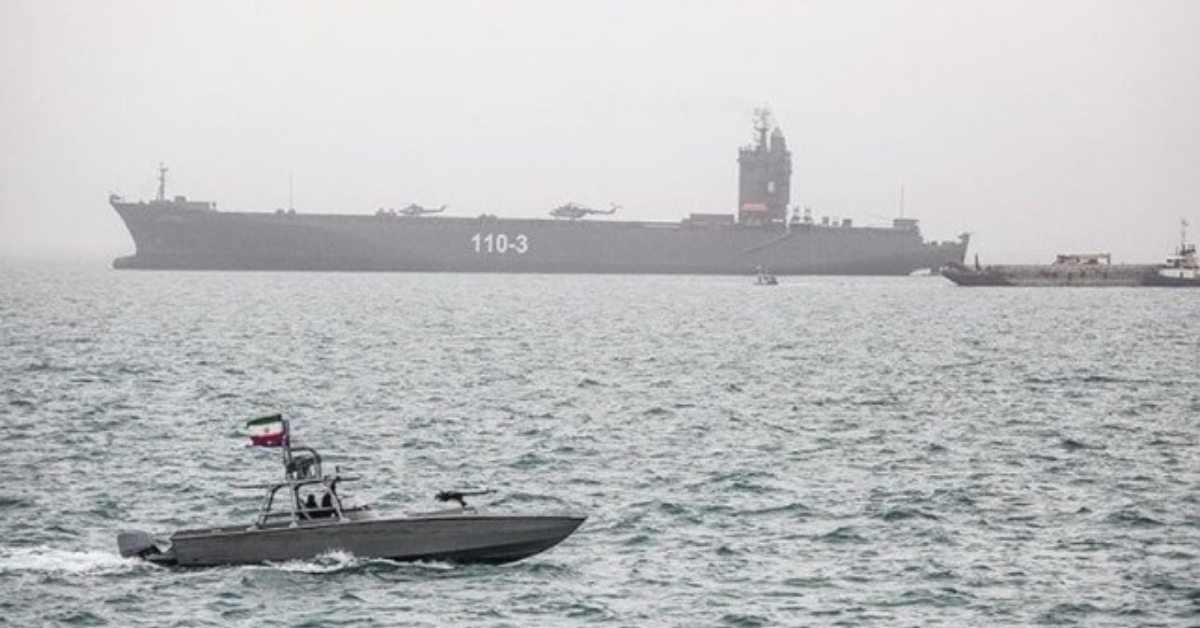
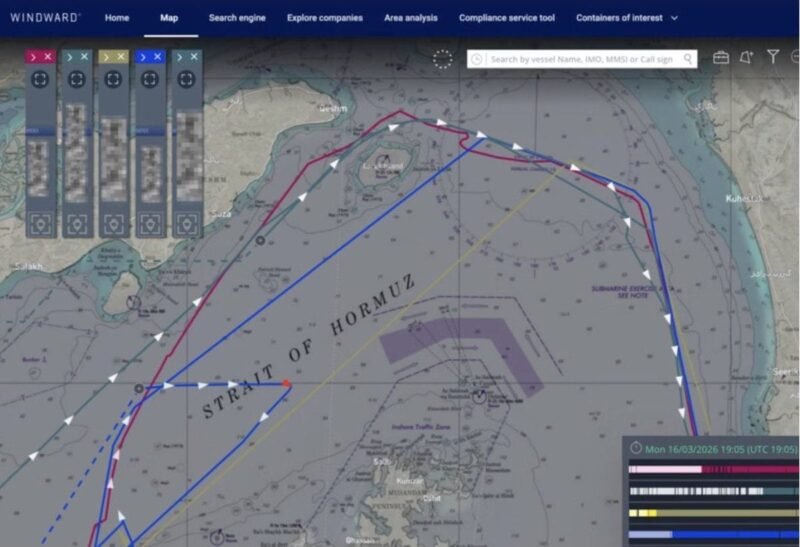
Analysis from Martin Kelly, Head of Advisory at EOS Risk Group, suggests that Iran’s new instructions following the ceasefire are significantly altering navigation through this crucial chokepoint. Iranian authorities have advised commercial vessels to steer clear of the traditional Traffic Separation Scheme (TSS) lanes and instead utilize alternative routes, such as those near Larak Island, due to the perceived threat of mines deployed in the conflict. Reports indicate that inbound traffic is being rerouted north of the island while outbound vessels head south, effectively bringing them closer to Iranian waters.
Despite the unconfirmed presence of mines, the precautionary measures taken by the shipping industry indicate a palpable impact. Kelly emphasized that even the perception of risk can reshape global shipping patterns, as shipowners, charterers, and insurers are likely to choose safer routes to avoid potential hazards.
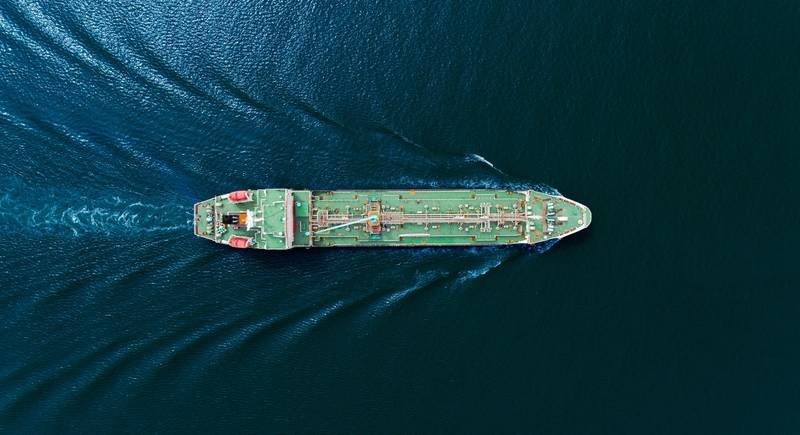
As transit data reflects a reduction, with only a few vessels traversing the Strait since the ceasefire—none being tankers—the landscape of maritime activity raises concerns about the Strait’s operational status. Industry representatives caution that, without coordinated guidance from both Washington and Tehran, shipowners may continue to hesitate in entering the Strait, jeopardizing normal shipping operations for an extended period.
Share it now