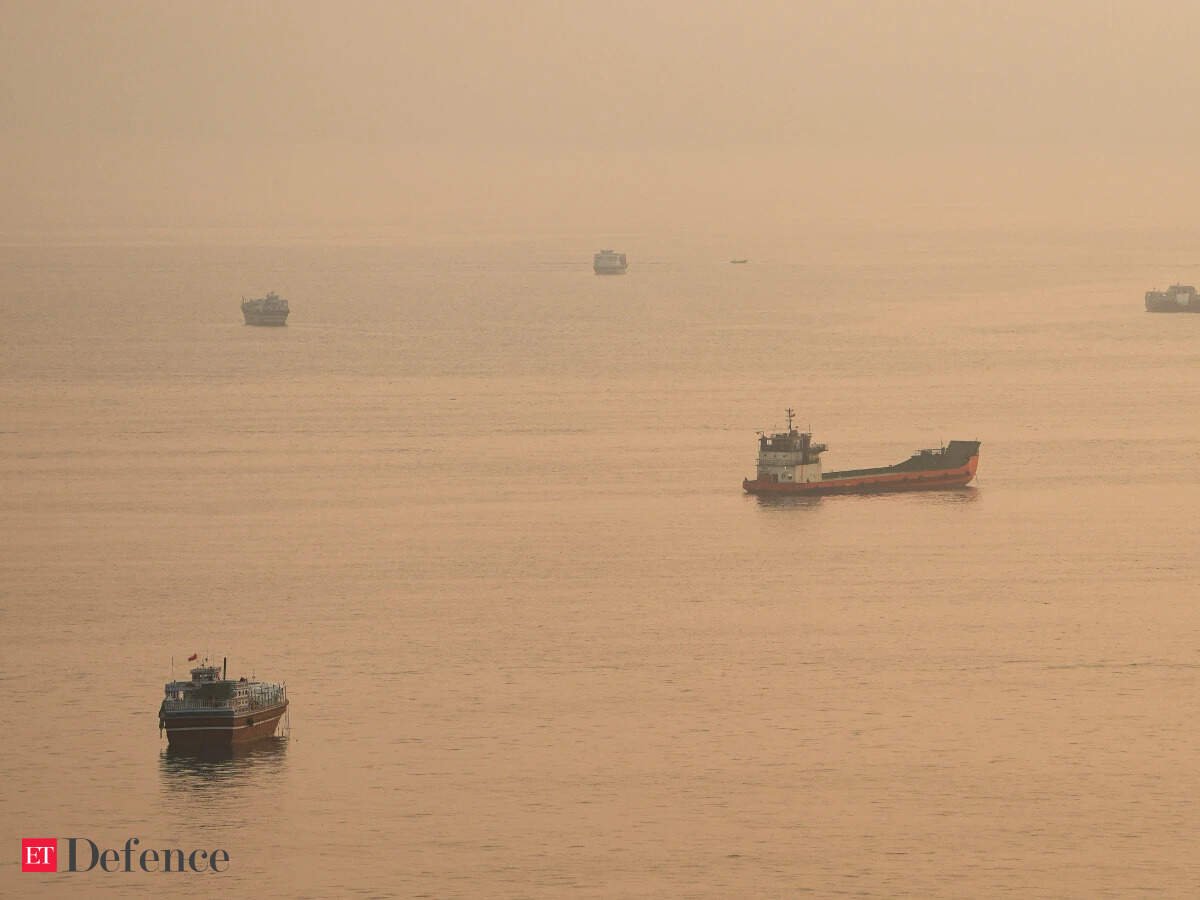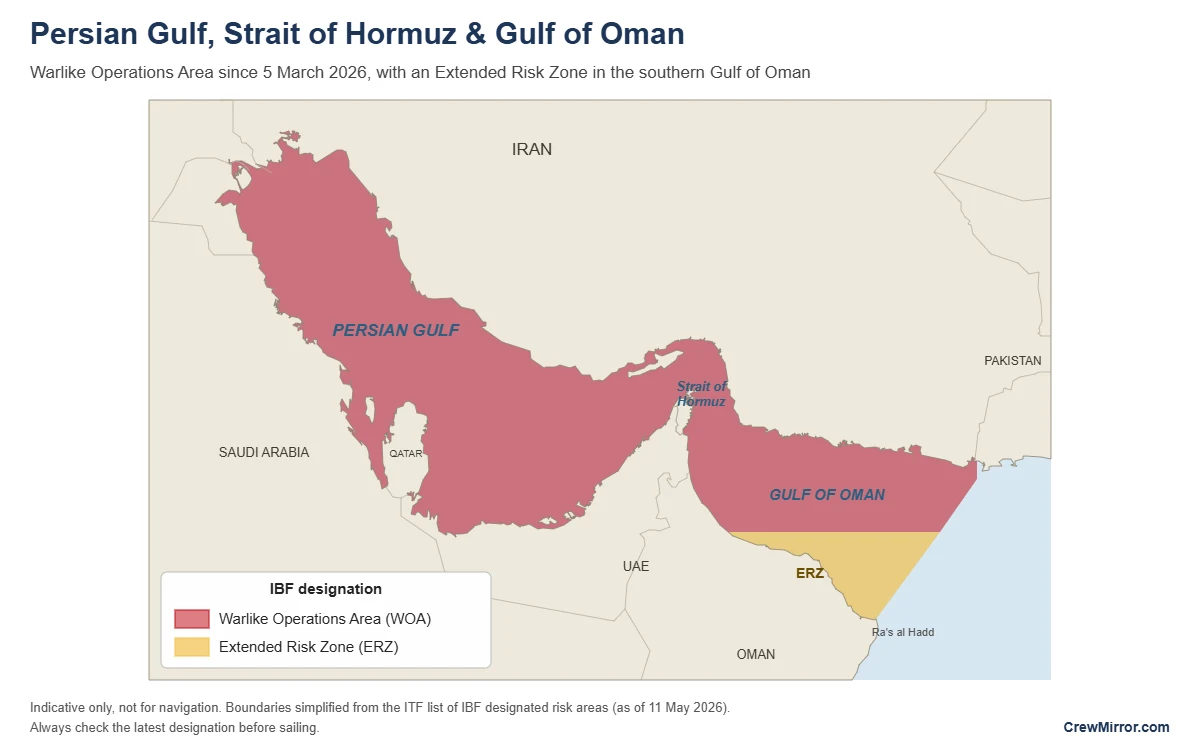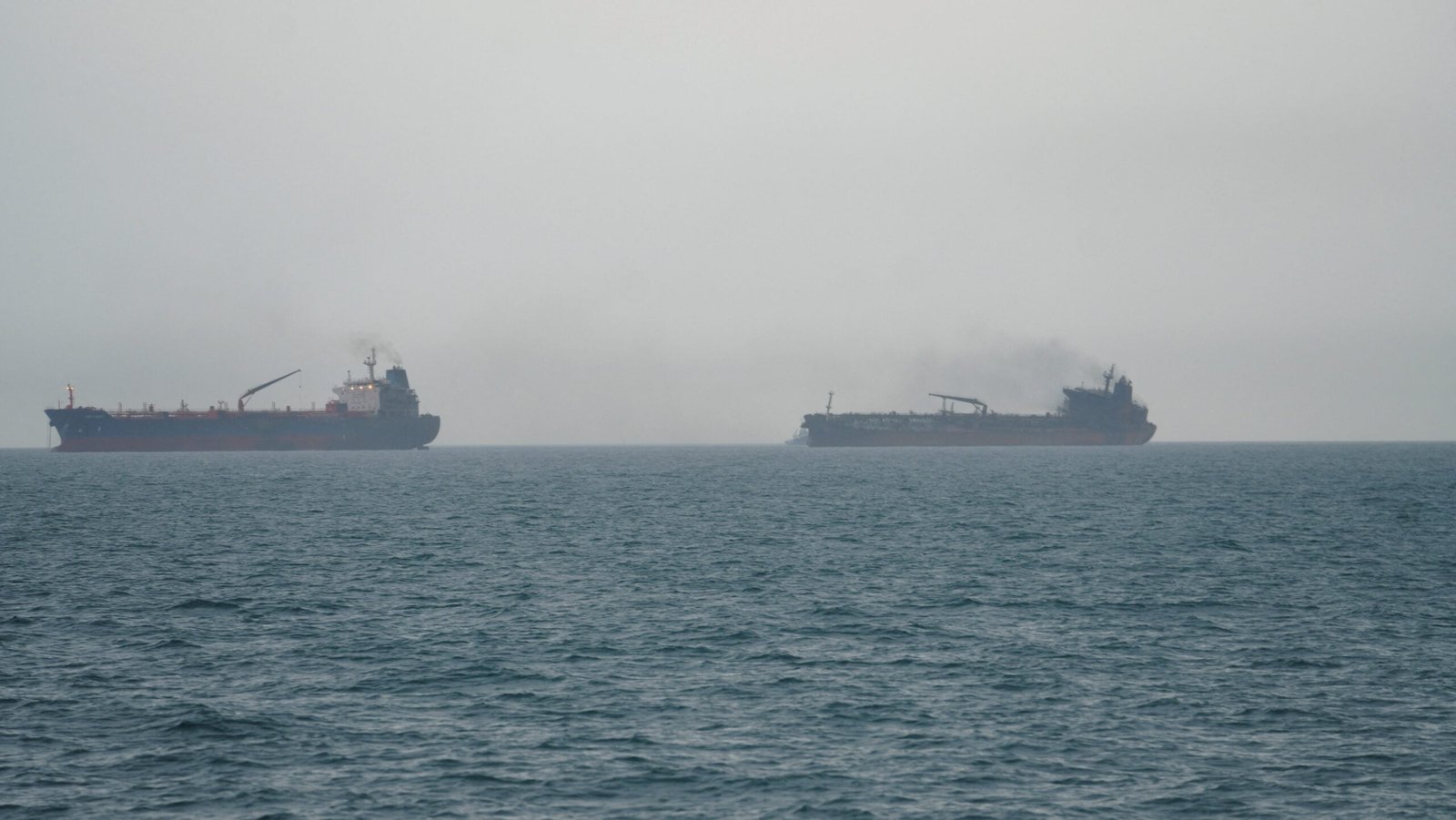
On April 4, 2026, Iran’s military announced that Iraq, a major oil producer, would be exempt from shipping restrictions in the Strait of Hormuz, a move that could significantly influence global crude supplies. The military spokesman emphasized this exemption, stating it applies specifically to “brotherly Iraq.” Should this exemption be fully realized, it has the potential to unleash up to 3 million barrels of Iraqi oil per day. However, an Iraqi official noted that the effectiveness of this exemption relies heavily on shipping companies’ willingness to navigate the currently risky strait.
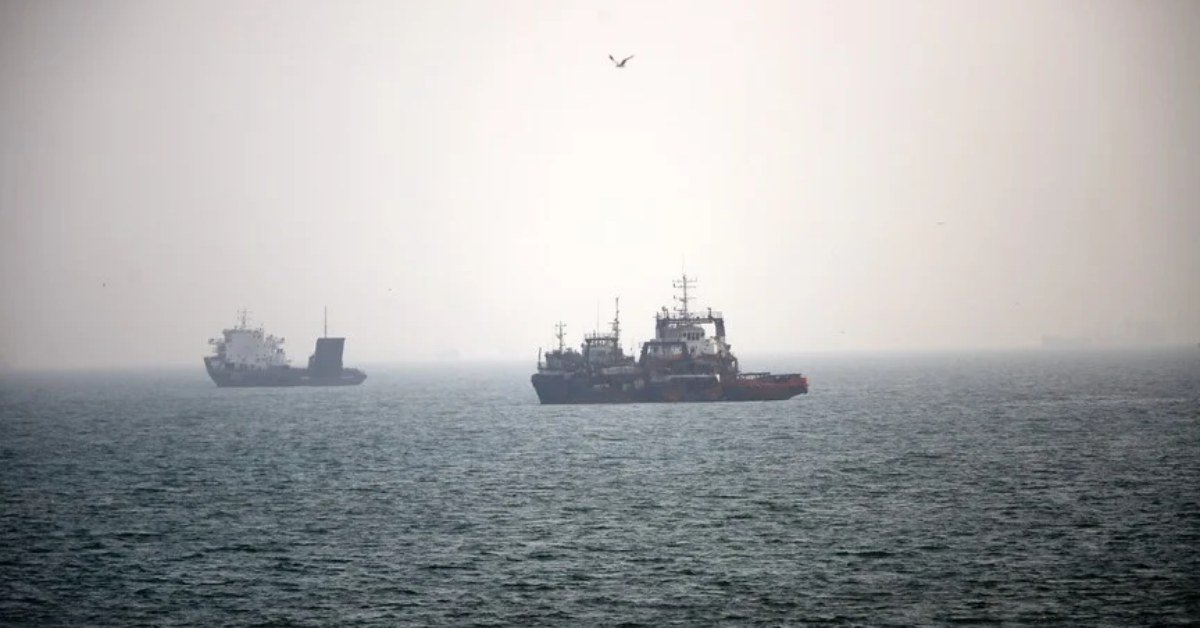
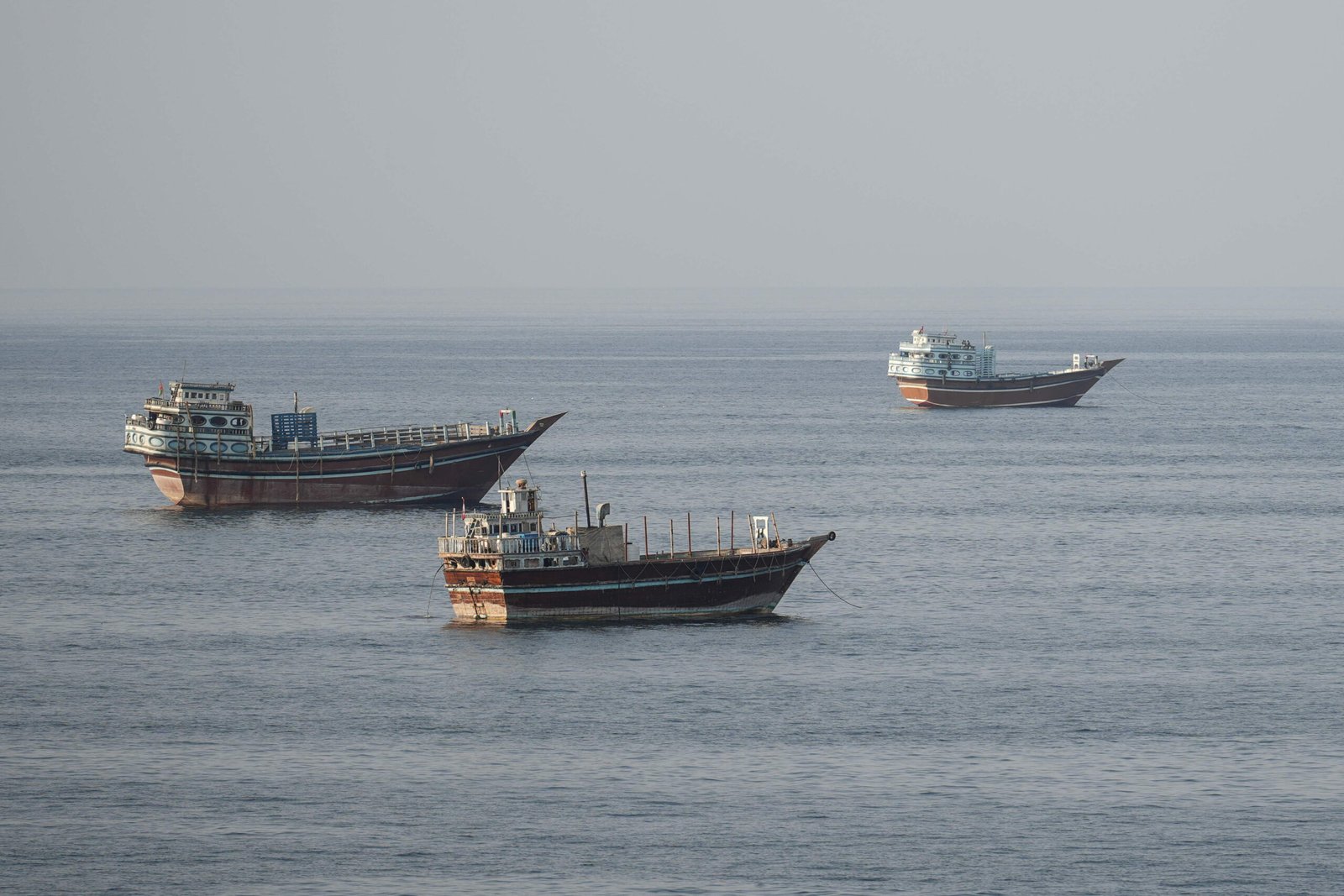
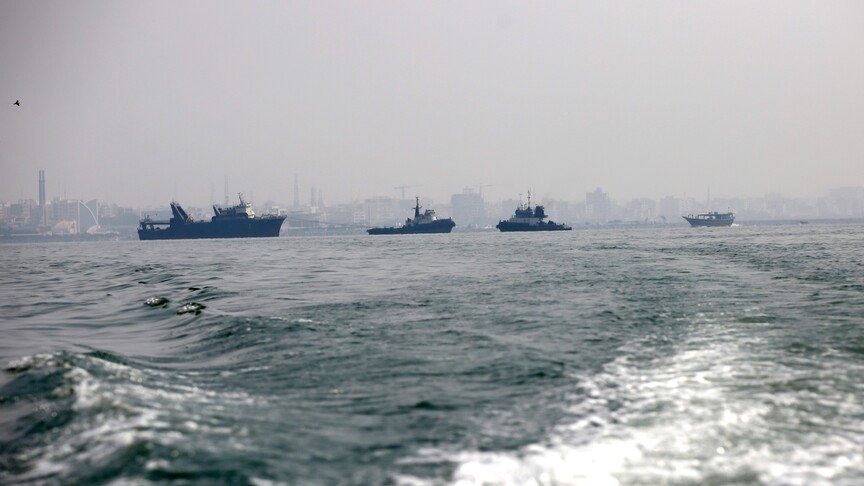
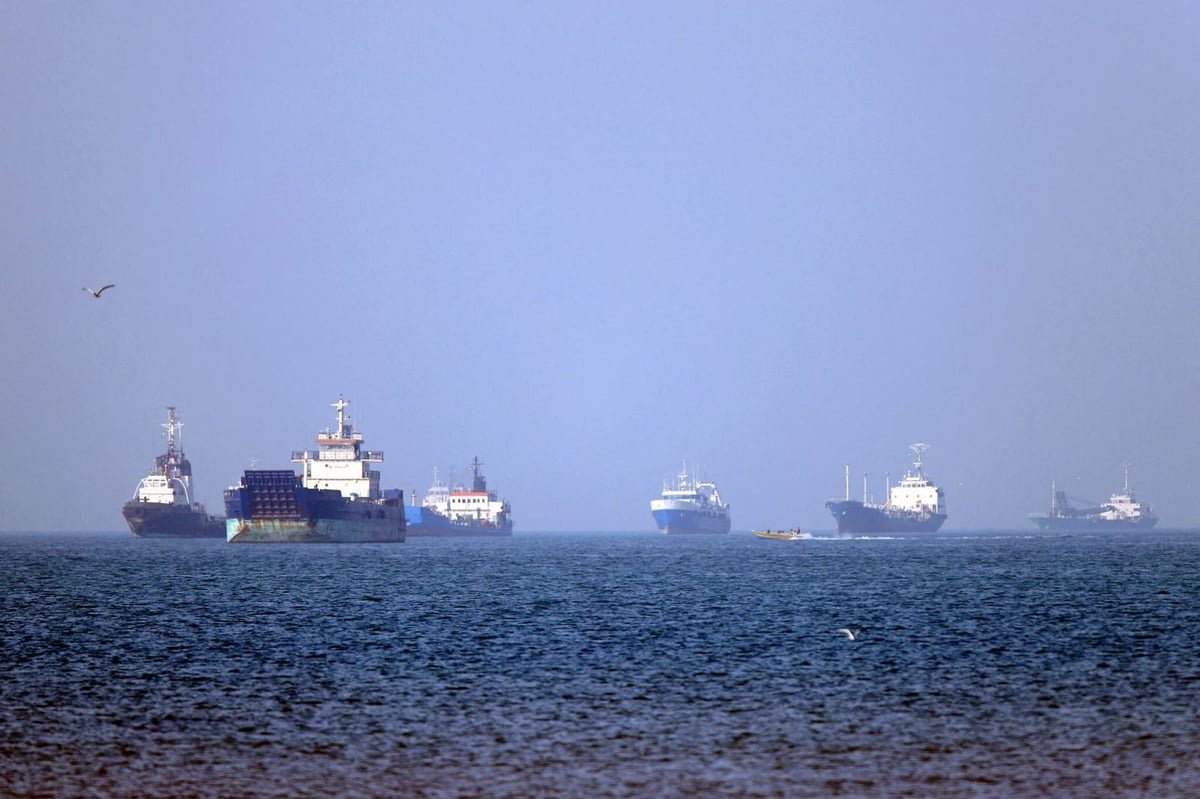
The precise scope of the exemption remains unclear; it is uncertain whether it applies to all Iraqi oil or solely to its tankers, as well as how it will be enforced. Despite ongoing military conflicts and heightened threats from the U.S., vessel traffic through the Strait of Hormuz has increased slightly, with various Asian nations negotiating safe passage. Still, such transits are a fraction of pre-war levels, which accounted for about 20% of the world’s oil and liquefied natural gas supply.
Iraq has faced drastic reductions in oil exports, plunging by approximately 97% in March. The announcement from Iran potentially opens pathways for Iraq to resume some maritime shipments, though hurdles related to output capability and available tanker capacity must still be addressed. Iran’s designation of Iraq as a “brotherly” nation contrasts with its characterization of other states it deems hostile, underscoring the complex relationships in the Middle Eastern geopolitical landscape.