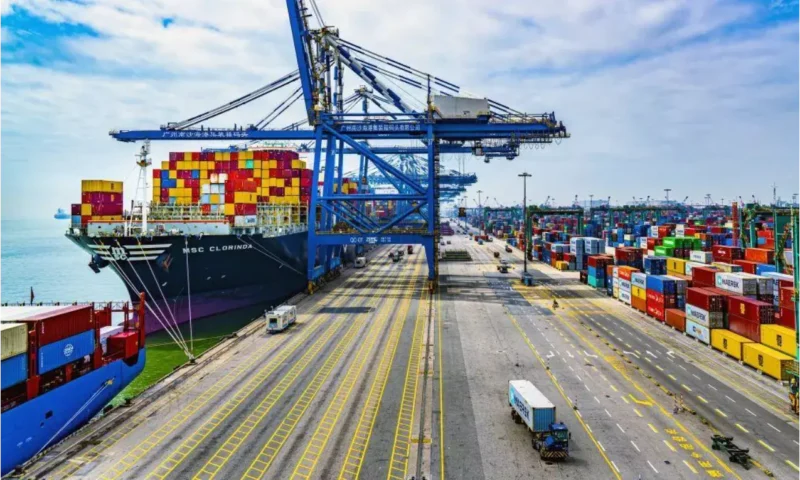
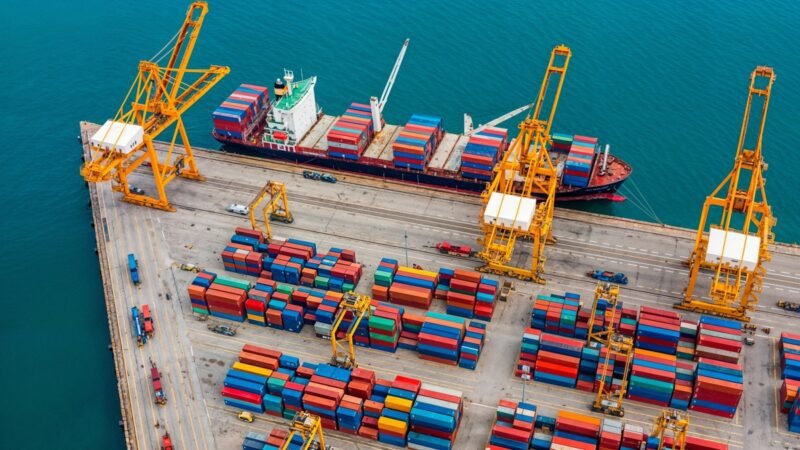
The Nigerian maritime sector is facing significant challenges, with the indigenous fleet shrinking from 24 vessels in 2005 to fewer than four by 2024. This decline has resulted in foreign carriers managing 95% of Nigeria’s cargo. Stakeholders at the recent PortNews Summit in Lagos highlighted the urgent need for the disbursement of the Cabotage Vessel Financing Fund (CVFF), which has been dormant for 18 years. The fund, aimed at supporting local shipowners, is estimated to have lost the country between $6 billion and $8 billion annually in freight revenue, leaving over 4,000 trained seafarers unemployed.
Dr. Eugene Nweke, from the Sea Empowerment and Research Centre, pointed out that while over 90% of Nigeria’s trade is maritime, local fleet participation is below 5%. He criticized the situation as indicative of governance failures rather than legislative gaps. The CVFF, established in 2003, has amassed over $350 million, yet no significant funds have been disbursed for vessel acquisition. Many trained seafarers are migrating to foreign vessels due to limited local opportunities, further depleting Nigeria’s maritime workforce.
Captain Ladi Olubowale, President of the African Shipowners Association, condemned the lack of CVFF disbursement, which hampers local shipowners from meeting the required equity for vessel purchases. Meanwhile, Dr. Abubakar Dantsoho, Managing Director of the Nigerian Ports Authority, emphasized the importance of regional cooperation among African nations for enhancing seaport operations. He expressed optimism about the future of ports in the region, citing the collaborative spirit observed during the recent Port Management Association of West & Central Africa conference.