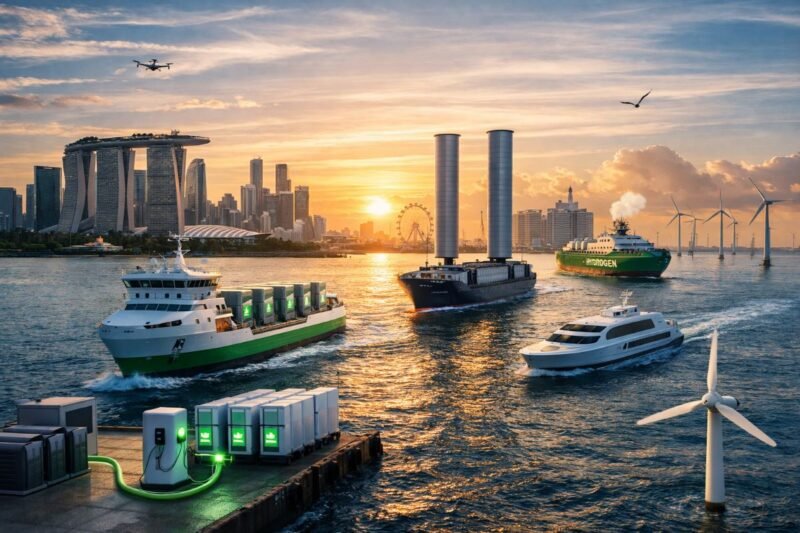
The shipping industry is undergoing a significant energy transition, marked by strategic investments and advancements in fleet readiness, as detailed in DNV’s latest Maritime Forecast to 2050. With the International Maritime Organization’s (IMO) Net-Zero Framework awaiting final approval, shipowners are moving from preparation to action, anticipating a near doubling of alternative-fuel-ready vessels by 2028.
By 2030, the alternative-fueled fleet could utilize up to 50 million tonnes of low-greenhouse gas fuels annually, surpassing the IMO’s 2030 emissions target. However, current consumption stands at just 1 million tonnes, highlighting a critical gap between potential and actual fuel use. This disparity emphasizes the urgent need for fuel producers and infrastructure developers to enhance supply in alignment with fleet readiness.
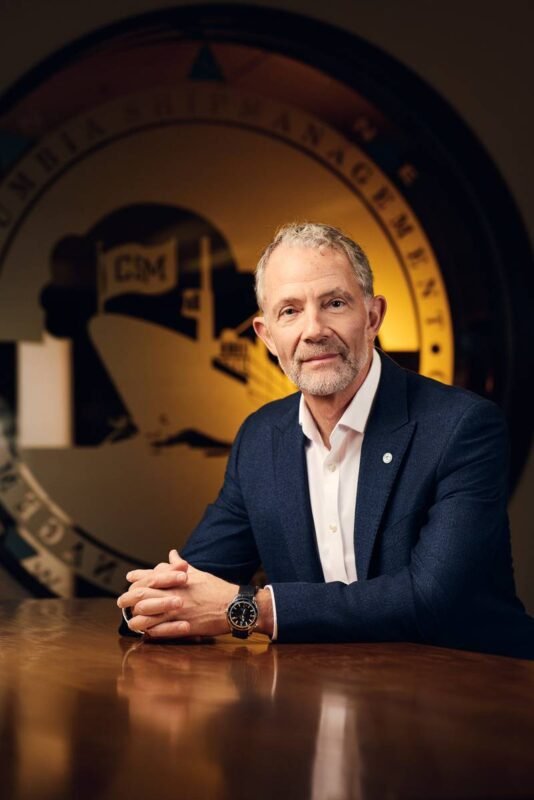
Knut Ørbeck-Nilssen, CEO of DNV Maritime, noted that while the IMO framework has its flaws, it is already influencing investment and operational strategies. The report outlines solutions to bridge the gap between fleet capacity and fuel availability, such as leveraging existing fuel infrastructure, enhancing energy efficiency in new builds, and promoting onboard carbon capture technologies.
Stakeholders are urged to prepare for varied compliance strategies across vessel types and operational profiles, recognizing the need for integrated solutions that support the industry’s next phase of energy transition.
Share it now