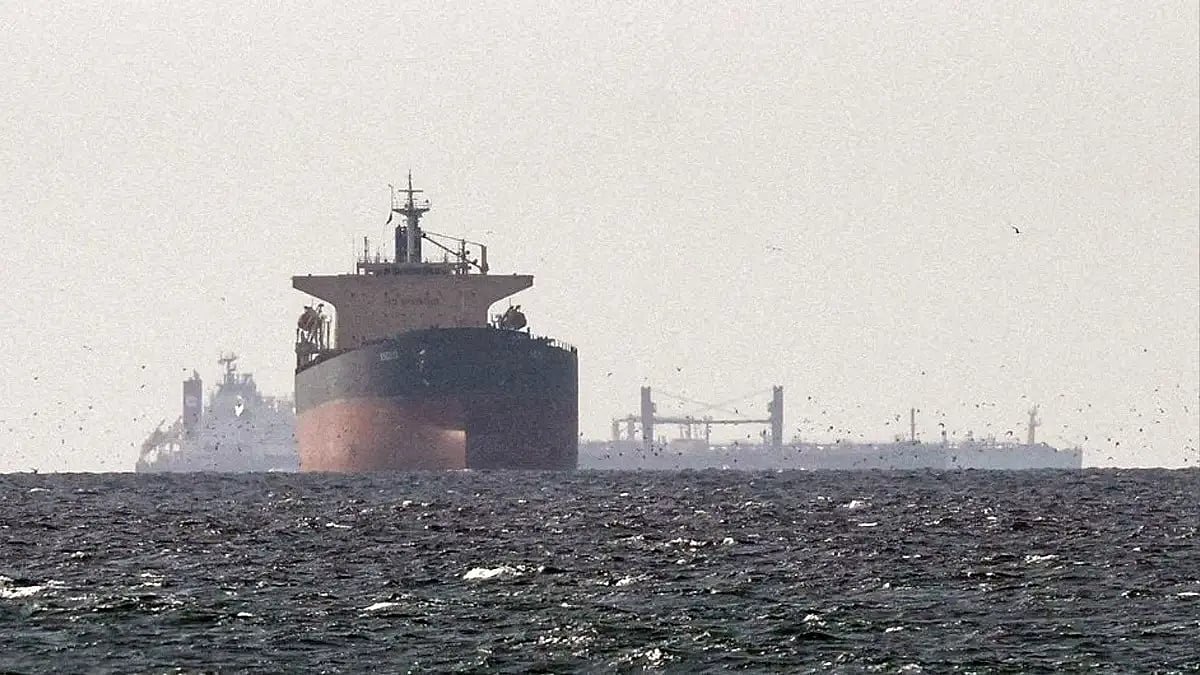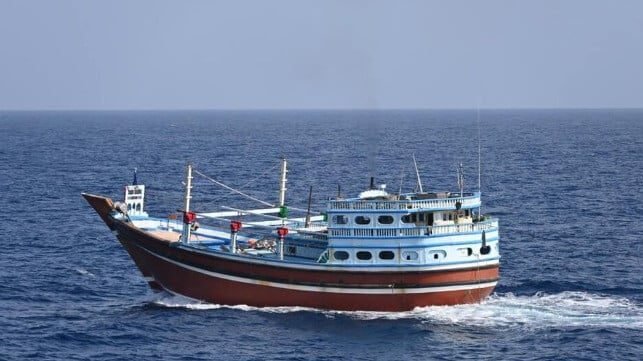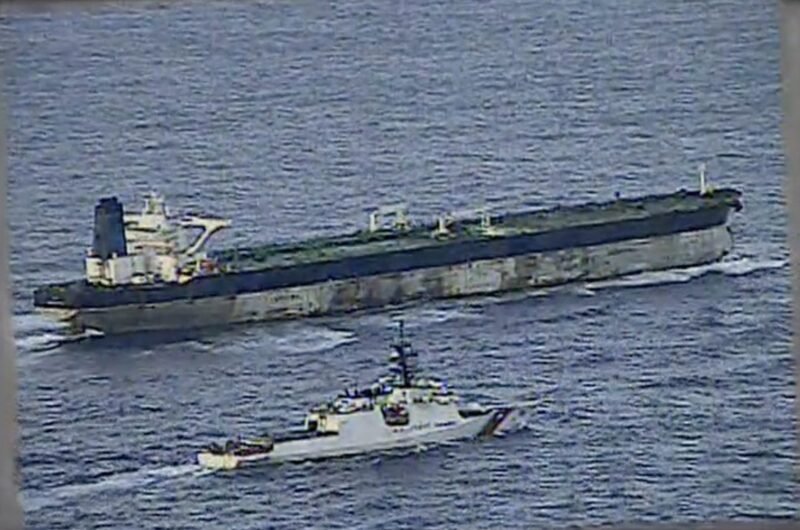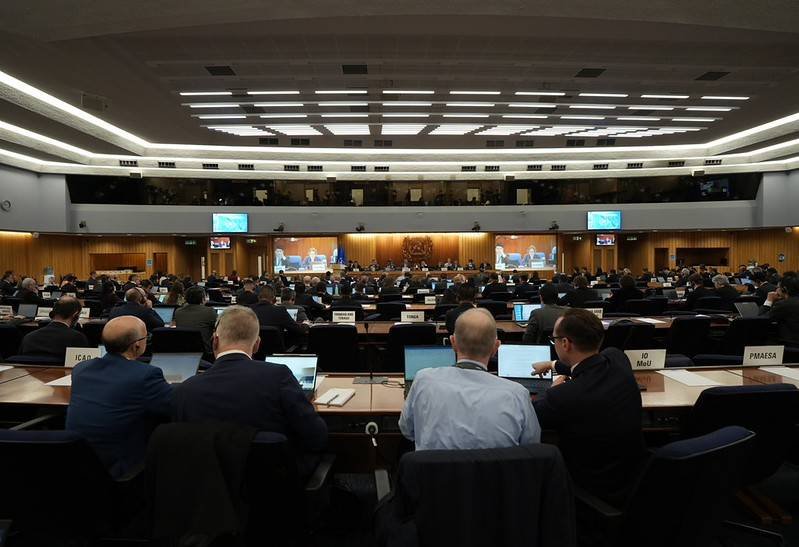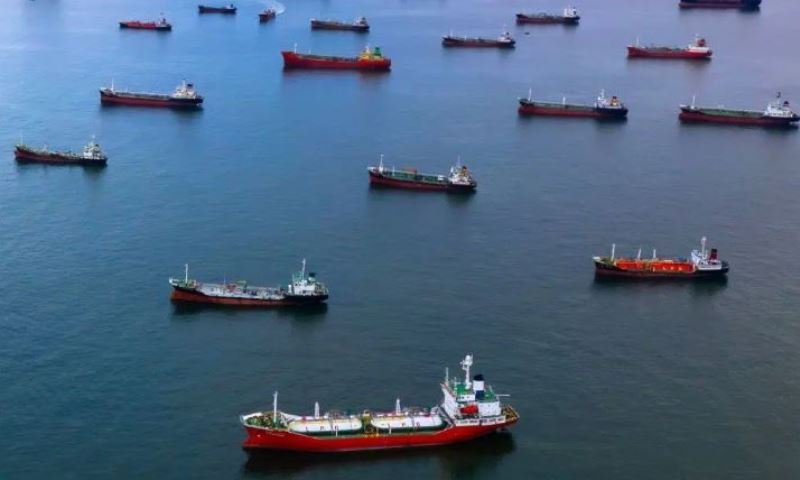
A recent letter highlights the risks associated with the so-called “shadow fleet,” which consists of vessels circumventing international sanctions and regulatory oversight. These ships pose compounded dangers due to their non-compliance with international conventions, undermining maritime safety. The correspondence emphasizes that all vessels exercising freedom of navigation must adhere to international laws, including SOLAS, COLREG, MARPOL, and UNCLOS. It reiterates the obligations of flag states regarding valid certification, insurance, safety management systems, and the continuous operation of AIS and long-range identification systems.
The letter also addresses the issue of vessels operating under multiple flags, which may render them stateless in the eyes of international law, with serious implications. The signatories argue that maritime safety planning should account for potential failures or disruptions of satellite systems. They advocate for equipping vessels with the necessary technical capabilities, procedures, and crew training to ensure safe navigation during such outages.
Moreover, the letter calls for collaboration on developing alternative terrestrial radionavigation systems to be utilized when GNSS signals are compromised. It emphasizes that maintaining trust in maritime navigation relies not just on technology but also on responsibility, transparency, and decisive action. The reliance on fragile systems without adequate safeguards poses unacceptable risks to shipping and coastal environments.
This open letter has garnered support from a coalition of countries, including Belgium, Denmark, and the United Kingdom, indicating a significant regional consensus on maritime security issues. By linking satellite interference, shadow fleet activities, and regulatory compliance, these coastal states are advocating for a stronger international response, emphasizing that existing regulations must be enforced consistently and without political bias.
Share it now