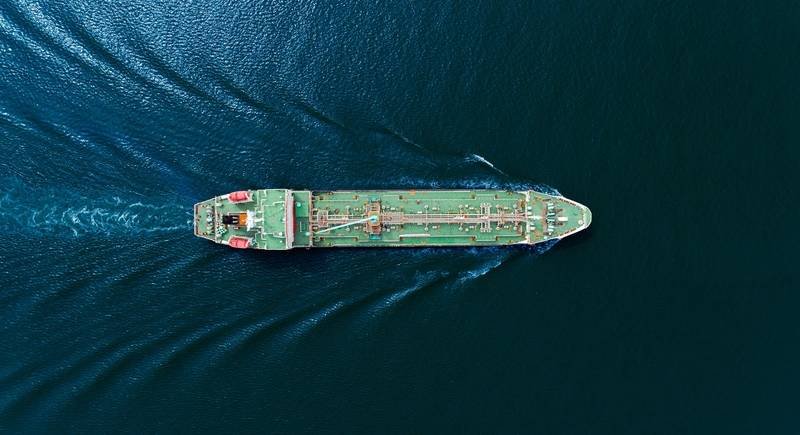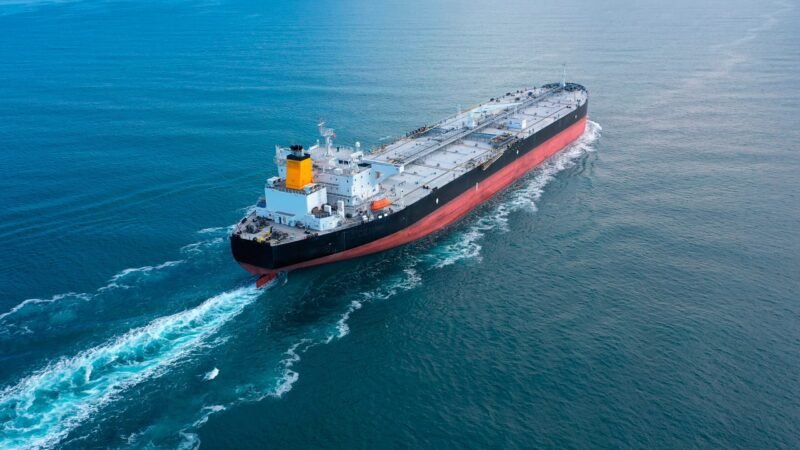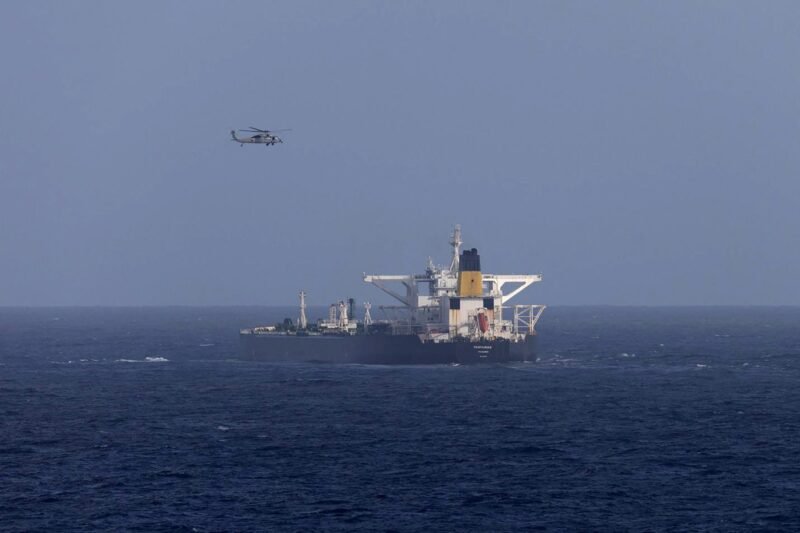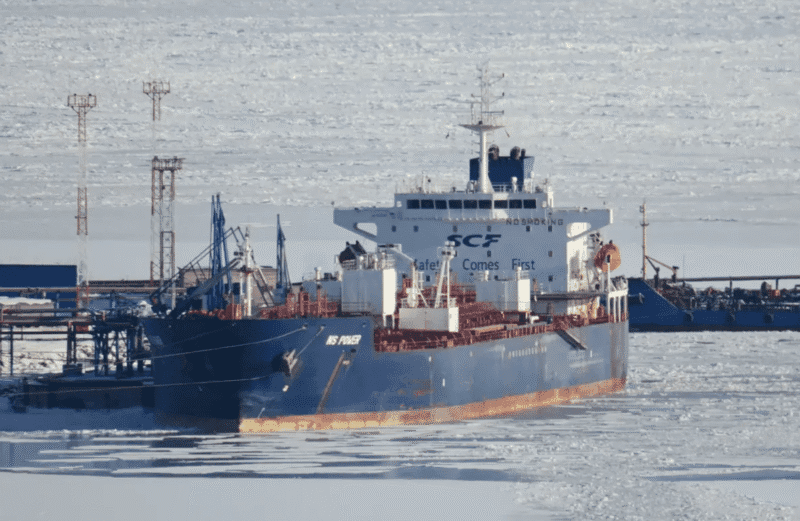
The oil tanker Hyperion has switched its registration to the Russian flag, a strategic move to protect the vessel from possible U.S. seizure. This development marks the second instance of a shadow fleet tanker adopting the Russian flag, following the Bella 1, now named Marinera. Analysts view this tactic as part of an ongoing effort to evade U.S. sanctions on shipments of crude and oil products globally.
The reflagging of Hyperion is particularly significant as it links Russia’s Arctic shipping routes with the illicit trade of Venezuelan oil. In December, the vessel loaded naphtha in Murmansk, a prominent Arctic port, and delivered it to Venezuela. After unloading, it traveled to Cartagena, Colombia, a necessary step for a flag change due to maritime laws prohibiting flag changes at sea.
The switch to the Russian registry on December 24 has sparked concerns among experts regarding its implications for sanctions enforcement. If the U.S. Coast Guard doesn’t respond to Bella 1, hundreds of vessels may consider reflagging to circumvent potential interdictions. This development adds uncertainty to how the U.S. will handle future incidents, especially in light of the changing political landscape surrounding Venezuela. If reflagging proves effective, it could significantly complicate enforcement efforts and boost the operations of the shadow fleet.