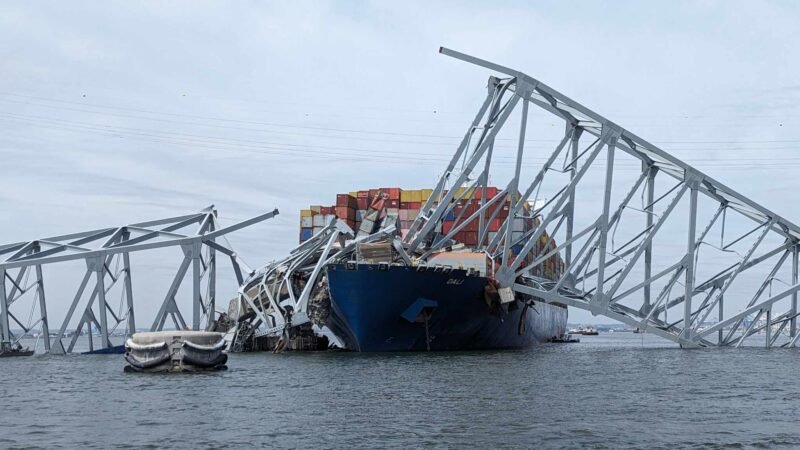
HD Hyundai Heavy Industries has defended the design of the M/V Dali following the National Transportation Safety Board’s (NTSB) investigation into the vessel’s collision with the Francis Scott Key Bridge in Baltimore, which resulted in the deaths of six highway workers and the collapse of the bridge on March 26, 2024. The NTSB identified the loss of electrical power due to improper wire-label banding as the probable cause of the collision, leading to the vessel’s loss of propulsion and steering.
In its statement, HD Hyundai emphasized that the M/V Dali was originally equipped with multiple redundant systems and automatic restart capabilities to prevent failures. The ship was designed with four independent diesel generators and safeguards meant to address the complexities of operating such a vessel in challenging environments. However, the company alleges that after delivery, the shipowner compromised these systems by replacing automatic fuel supply pumps with a manual flushing pump, undermining critical safety protocols.
On the day of the incident, the vessel experienced two blackouts. The first was triggered by a wire disconnect, which forced the crew to manually switch to a backup transformer. Unfortunately, the crew neglected to restart the flushing pump supplying fuel, which led to a second blackout. The NTSB criticized the crew’s operations and highlighted operational oversights as contributing factors to the collision. Furthermore, it stressed the need for ongoing maintenance and inspections by the shipowner to keep systems in seaworthy condition.
In conclusion, HD Hyundai stated that the root causes of the tragedy stemmed from the improper use and maintenance of the vessel’s systems by the ship’s operator, who violated established rules. The company expressed condolences to the affected families and committed to collaborating with authorities to prevent future incidents.
Share it now