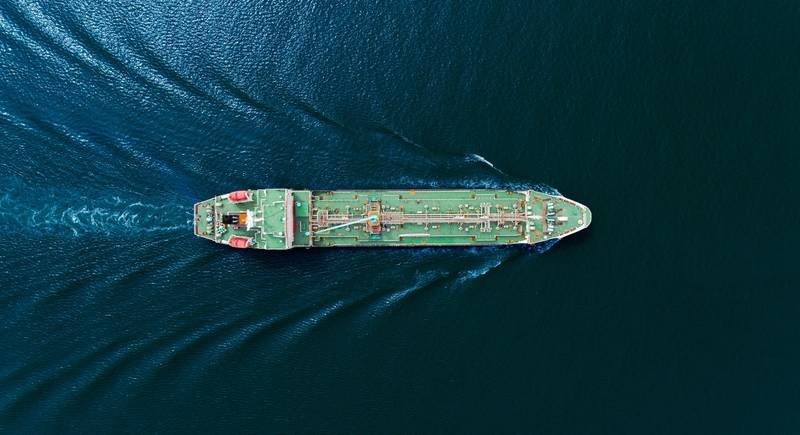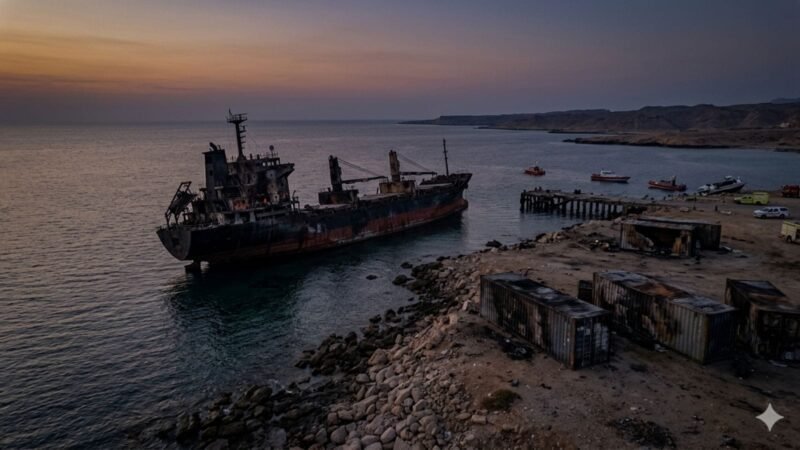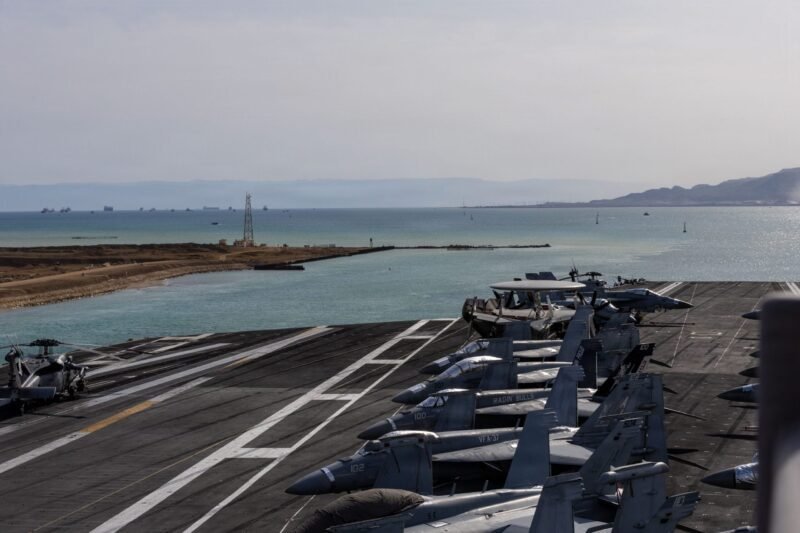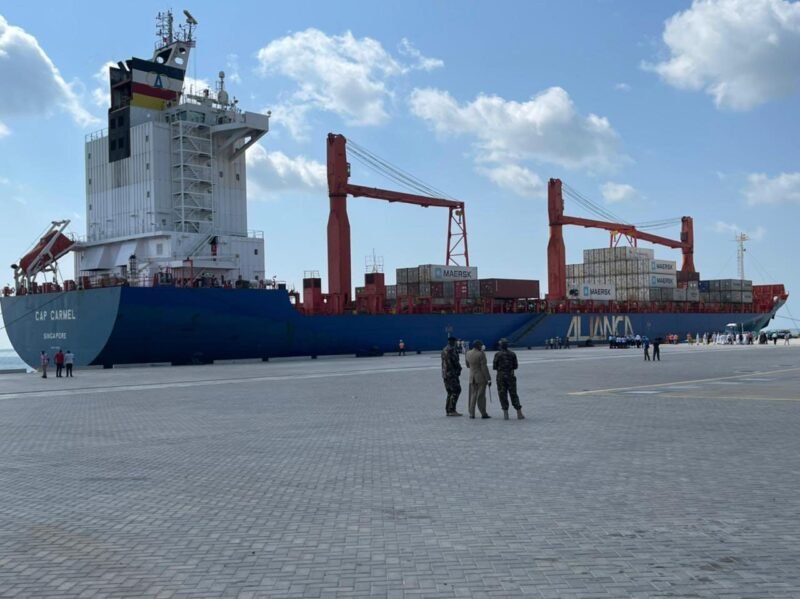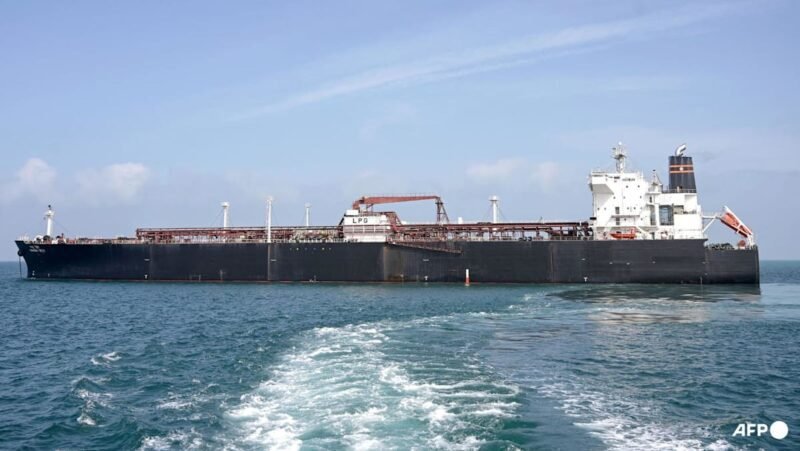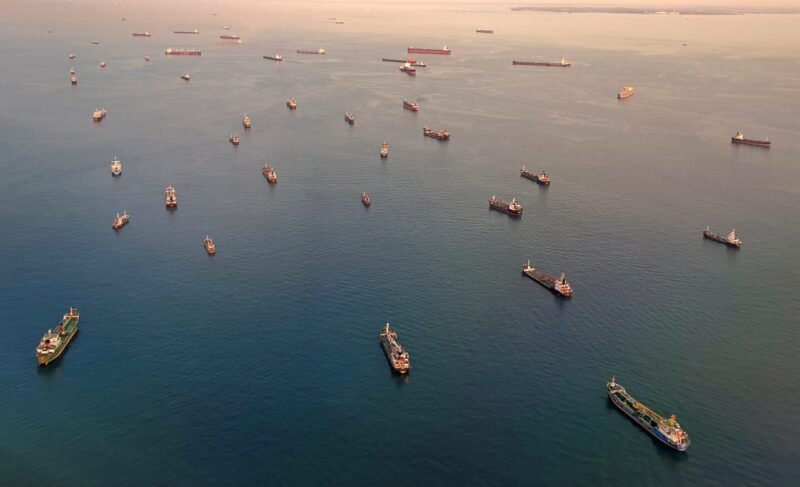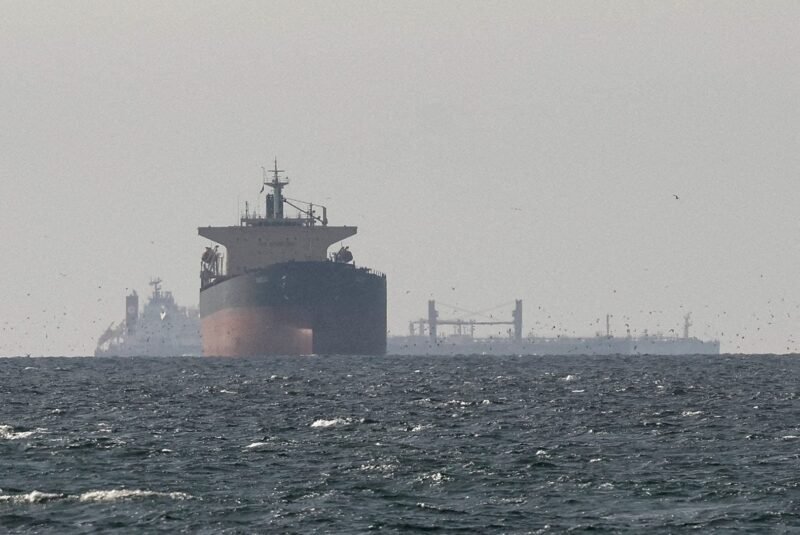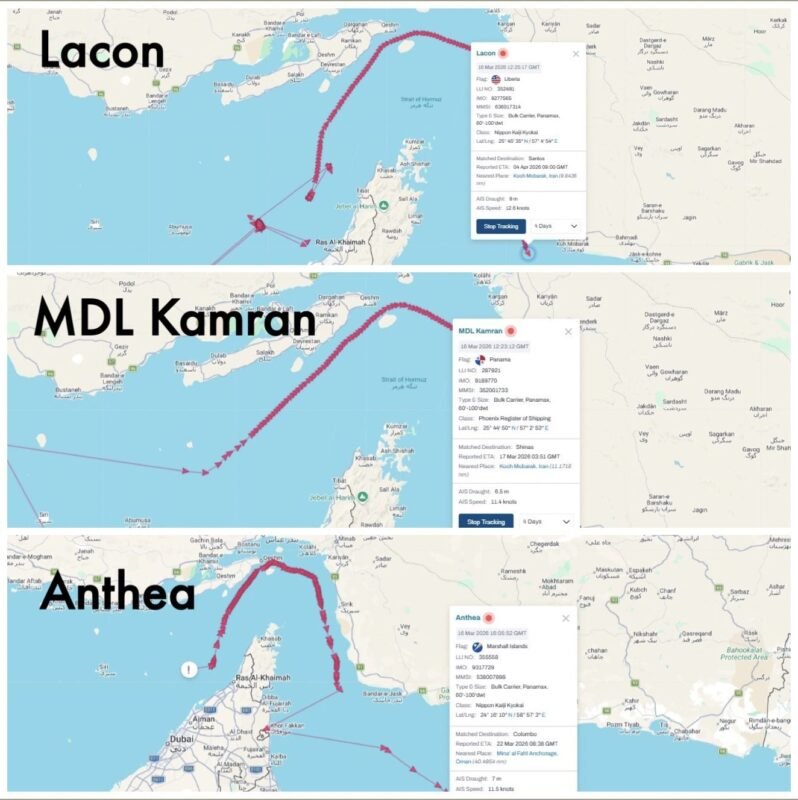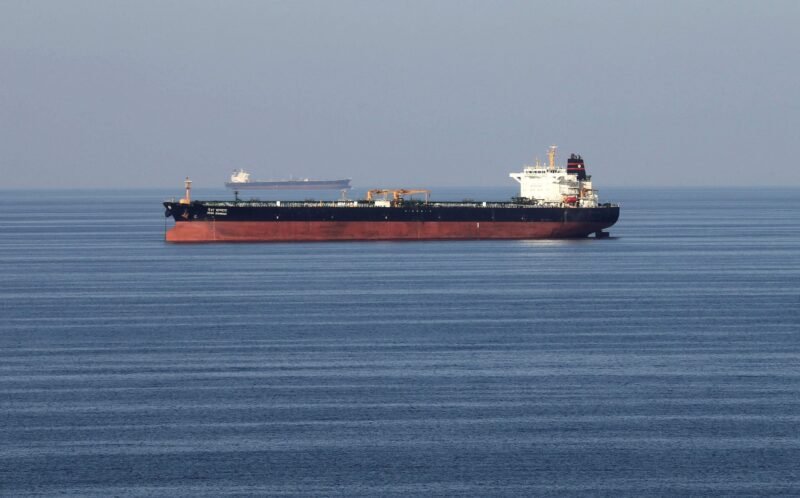
A significant number of oil tankers are currently avoiding the Strait of Hormuz, which connects the oil-rich Persian Gulf to international waters. This precautionary measure follows the recent bombing of Iran by the U.S. and Israel. While the strait remains open and some vessels continue to transit, tracking data indicates that tankers are accumulating both inside and at the entrance of the waterway.
Japanese company Nippon Yusen KK has instructed its fleet to steer clear of Hormuz, and Greece has advised its merchant fleet to evaluate their passage plans. Several other shipowners are reassessing their transit policies in light of a U.S. advisory that some interpreted as effectively closing the waterway. The Strait of Hormuz is critical since approximately 20% of the world’s seaborne oil and liquefied gas transit through it daily.
Despite the ongoing tensions, maritime flows have not completely halted. Traders are closely monitoring potential disruptions from Iranian retaliatory actions and any impacts on port operations. The oil futures market is currently closed over the weekend, limiting insight into how traders are pricing risks following the recent attacks.
Ship-tracking data reveals that at least three gas tankers traveling to or from Qatar have paused, as the country is a major LNG exporter reliant on the strait for shipping to Asia and Europe. The situation continues to evolve, with several tankers still moving through Hormuz as the geopolitical landscape remains tense.
Share it now