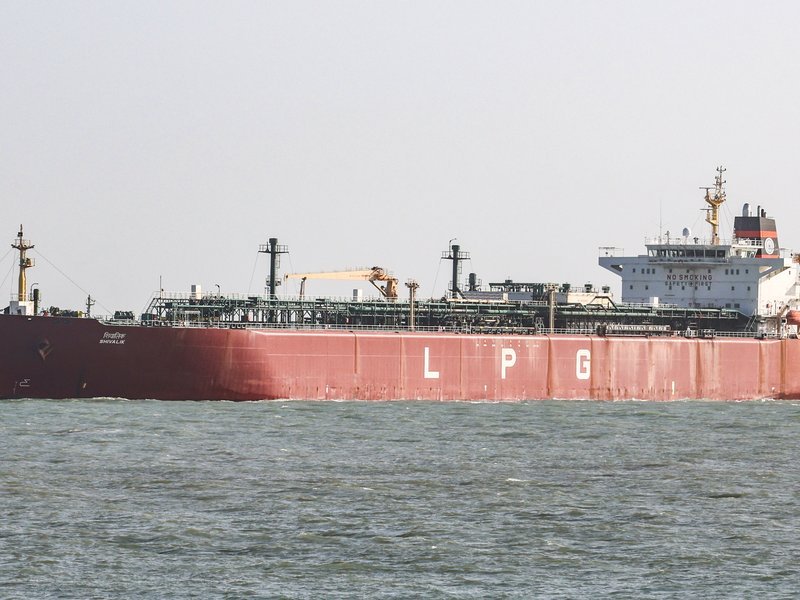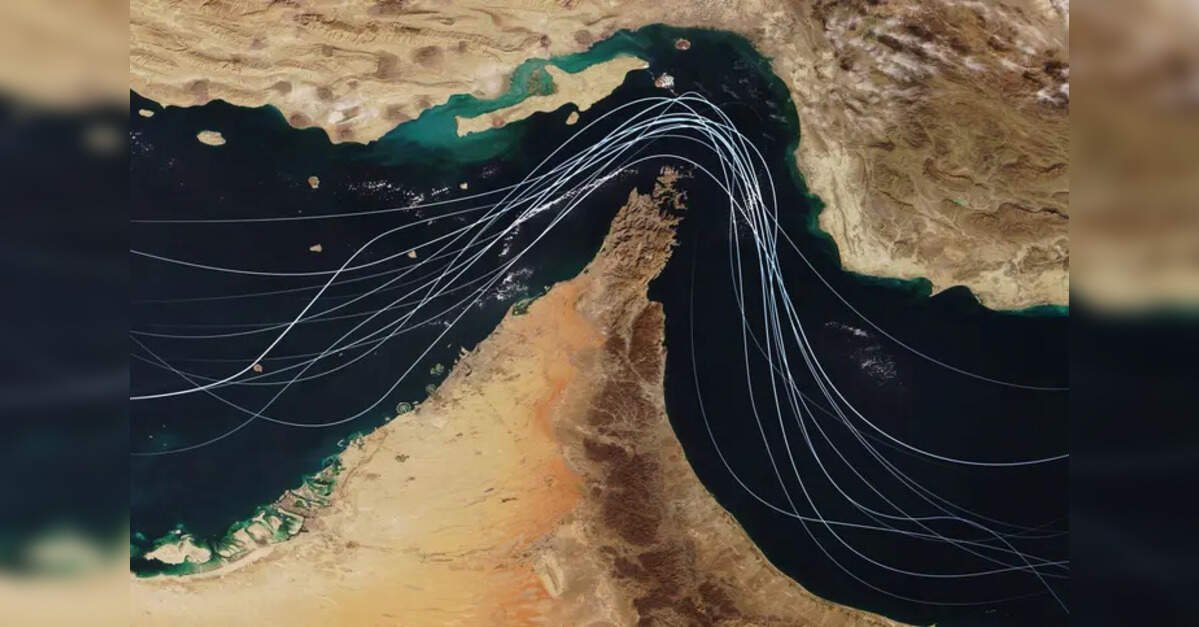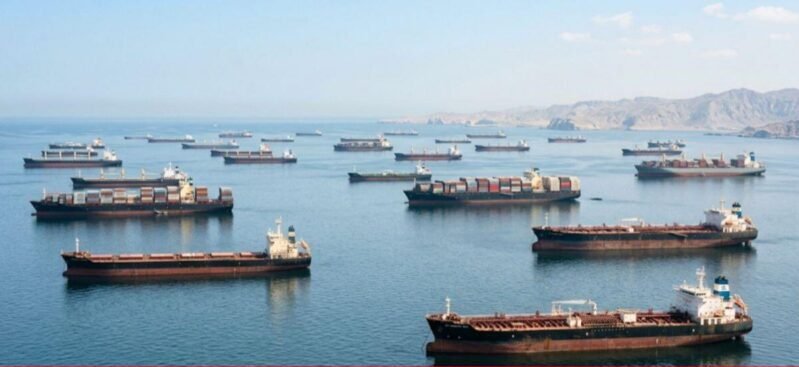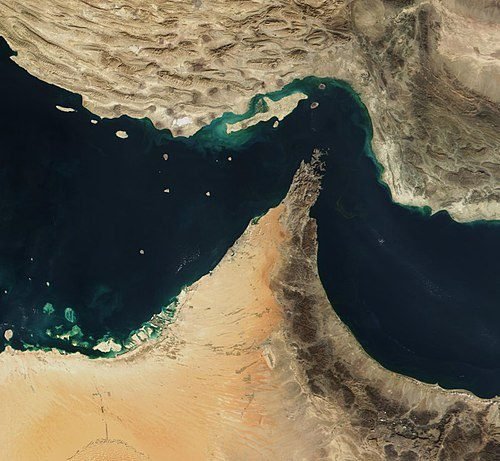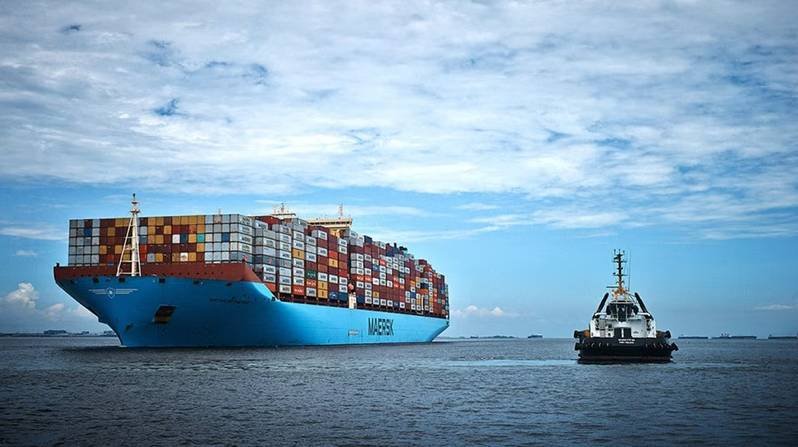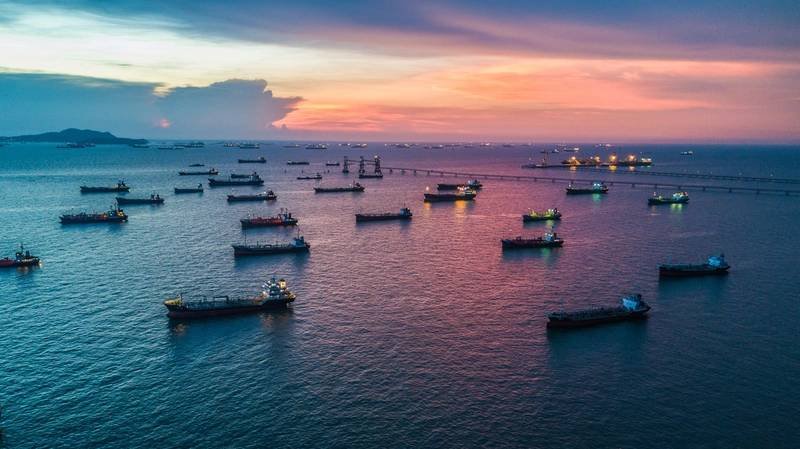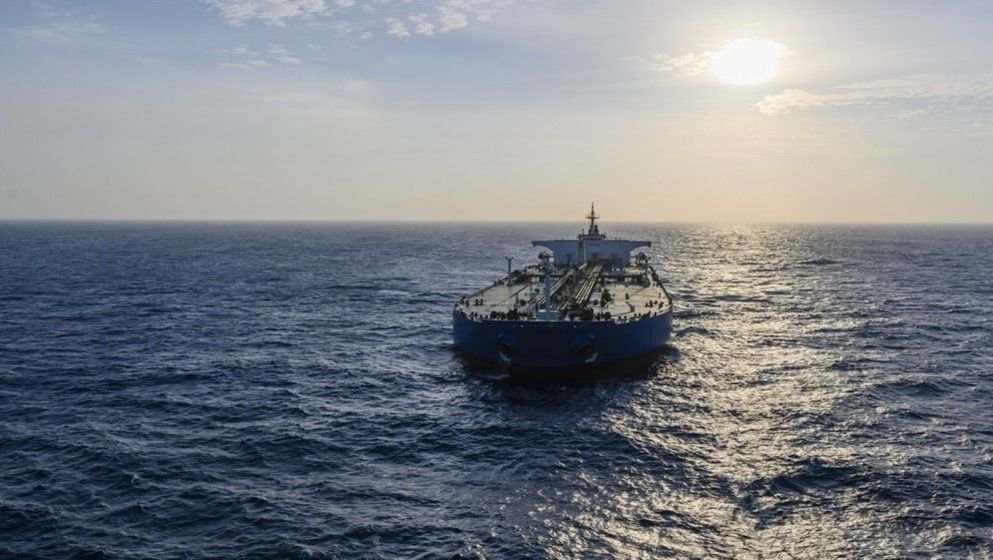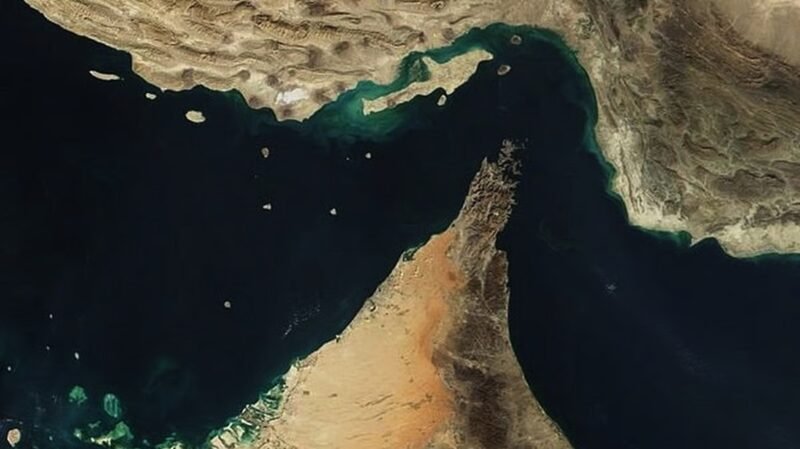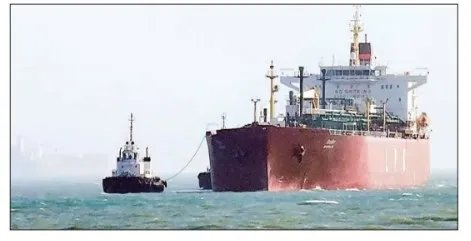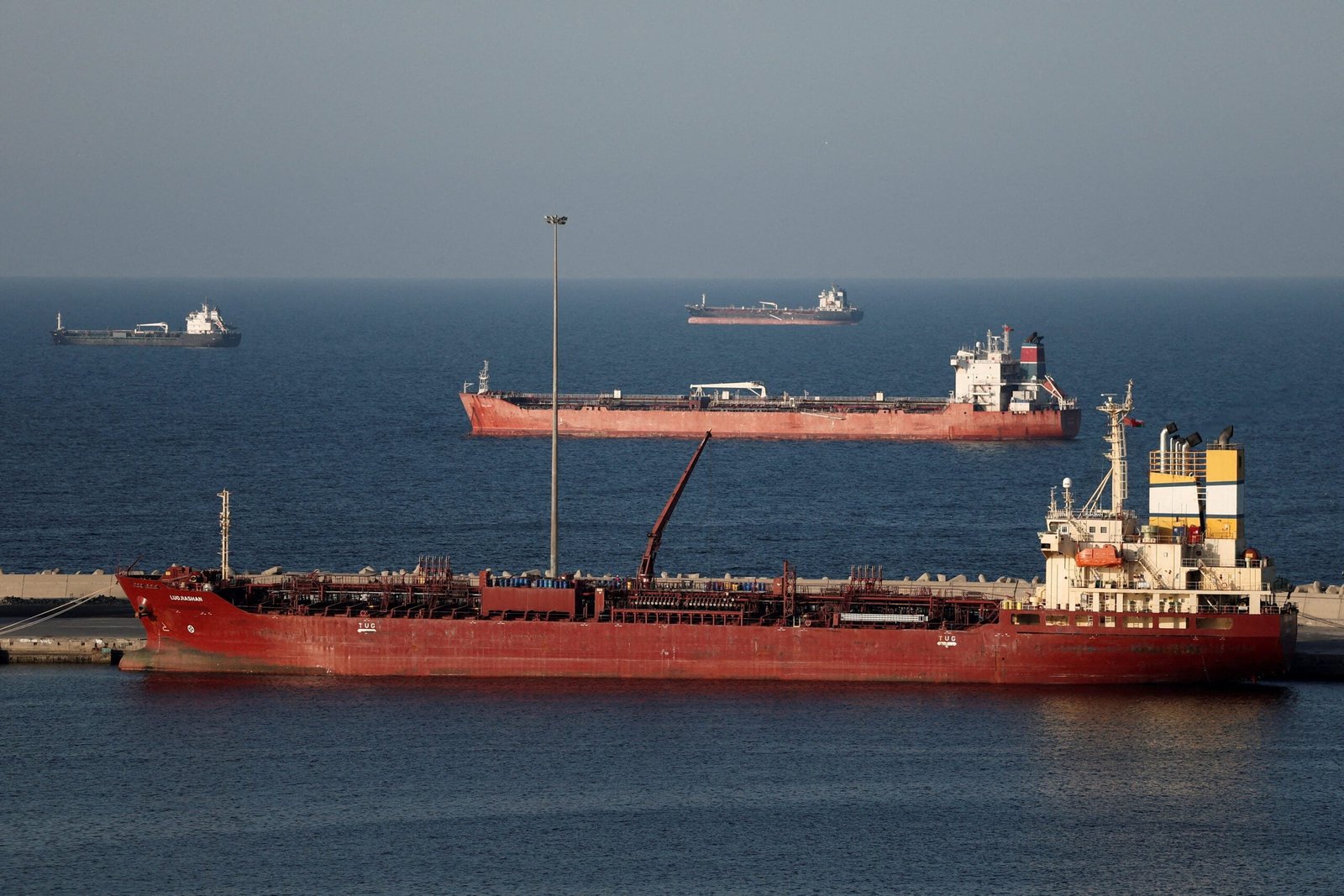
On April 12, 2026, two empty crude tankers attempted to navigate the Strait of Hormuz toward the Persian Gulf but made abrupt U-turns as US-Iran peace negotiations collapsed, jeopardizing a fragile ceasefire. The two large crude carriers and an Aframax vessel, all unconnected to Iran, were approaching the narrow waterway from the Gulf of Oman when they turned back near Larak Island.
The VLCC Mombasa B continued its passage successfully, traversing the route between Larak and Qeshm Islands approved by Iran, although it did not signal a specific destination. In contrast, the Pakistani tanker Khairpur, after altering its course twice, paused at Larak and Qeshm before returning to its inbound path. The motivations behind the turnaround remain unclear, particularly since Iraq and Pakistan had prior approvals from Iran.
The Strait of Hormuz is critical for global energy transport and has faced substantial disruptions due to recent conflicts, emphasizing the urgency of facilitating its reopening amid ongoing tensions. Previous attempts by various vessels to transit the strait have either led to abortive efforts or delays, highlighting the precarious security situation.
In recent weeks, multiple vessels have turned back, while some, like two Chinese supertankers and a Greek ship, successfully exited laden with crude. The successful passing of the three tankers could have indicated a positive trend in maritime movement, which has been heavily dominated by Iran-linked vessels since late February.
Share it now